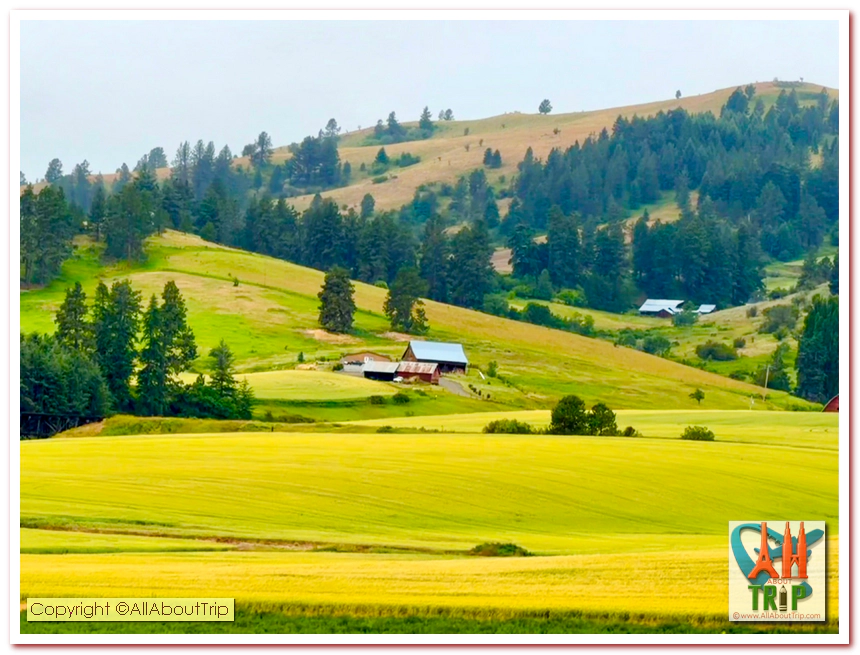
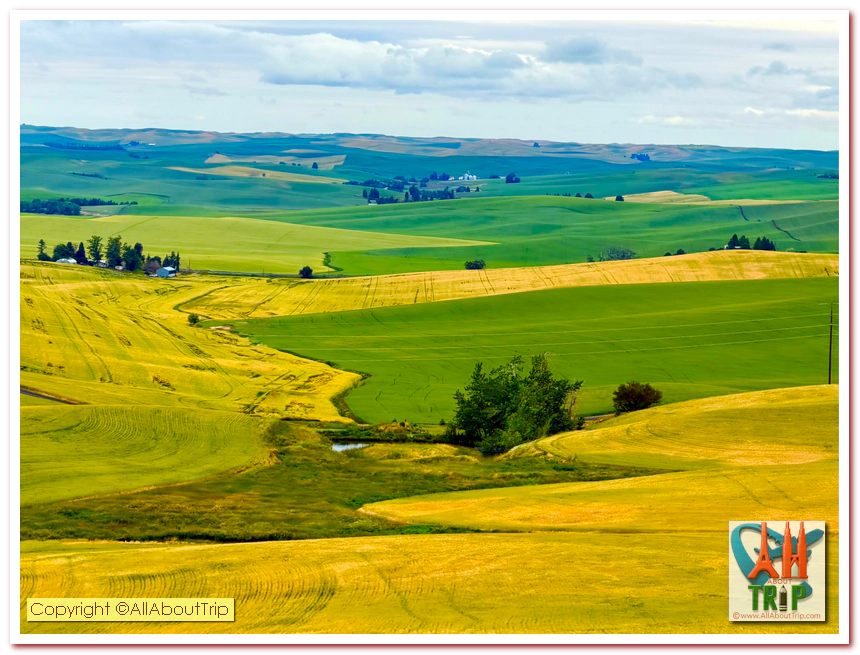
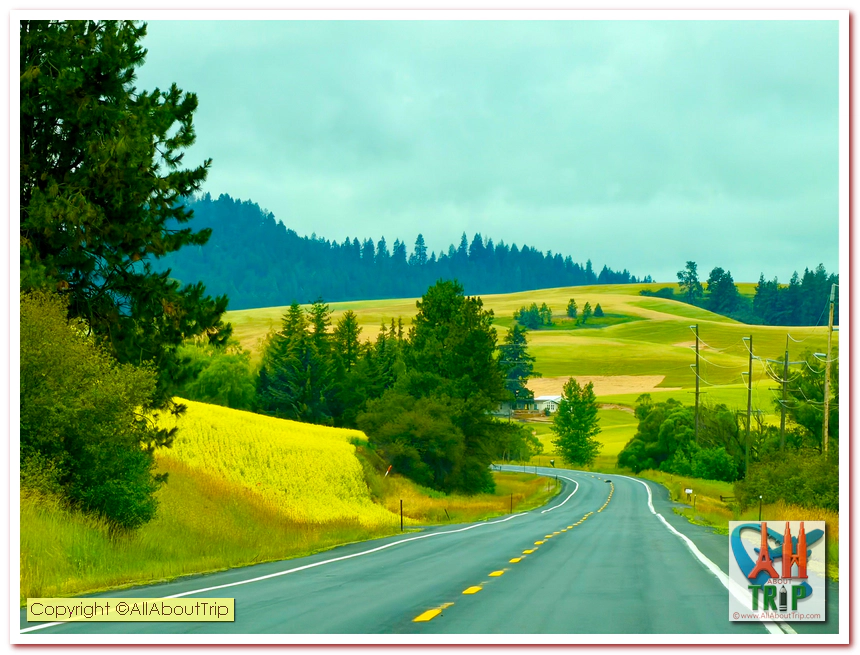
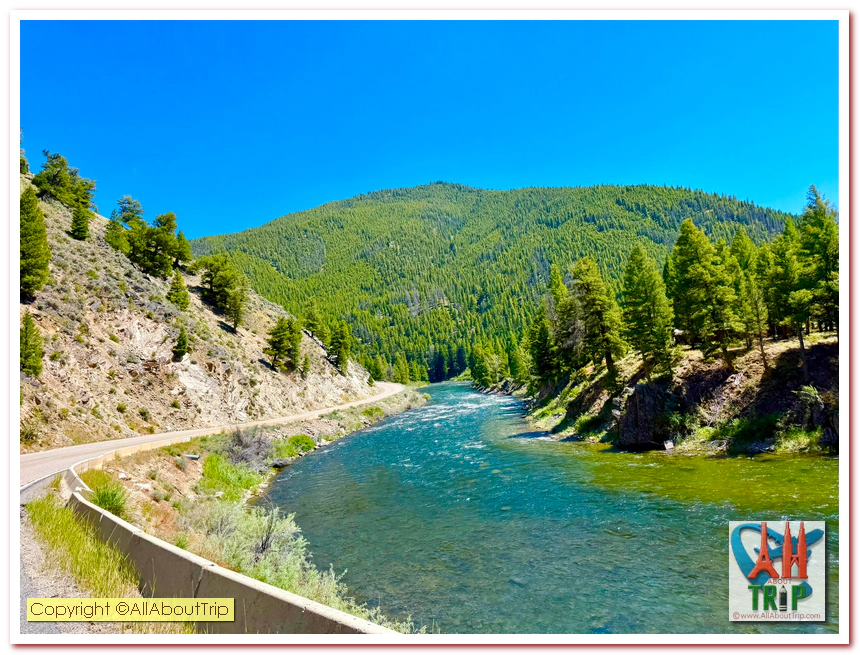
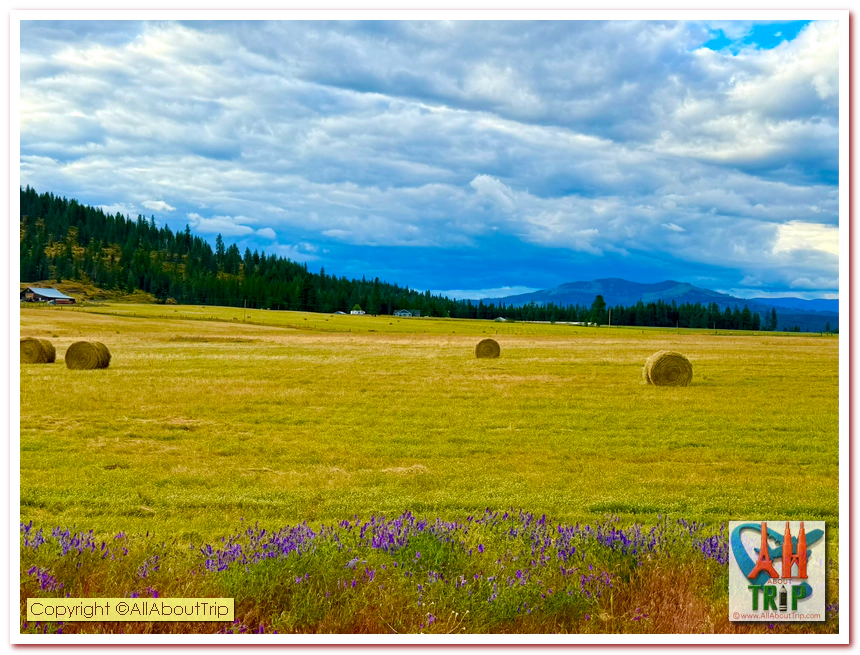
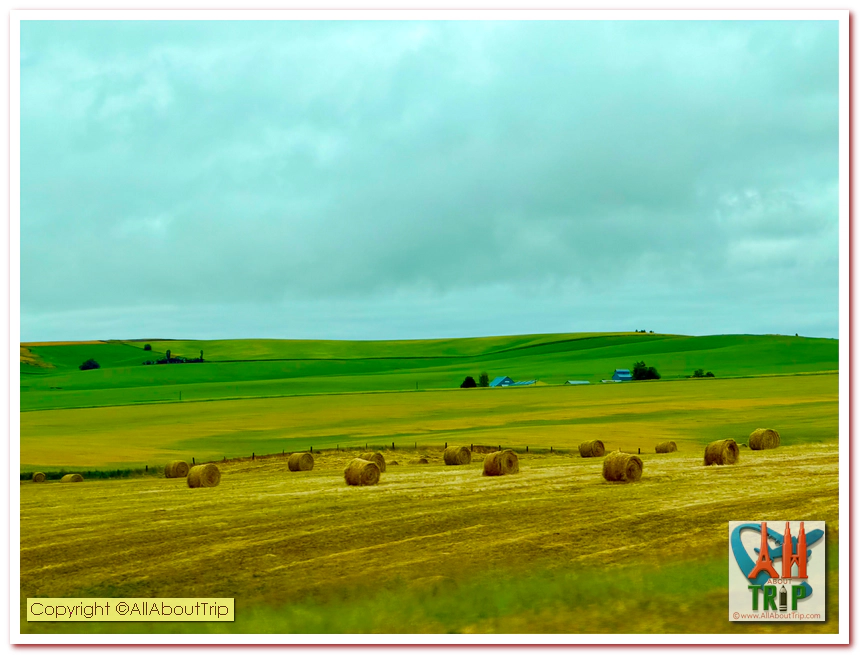
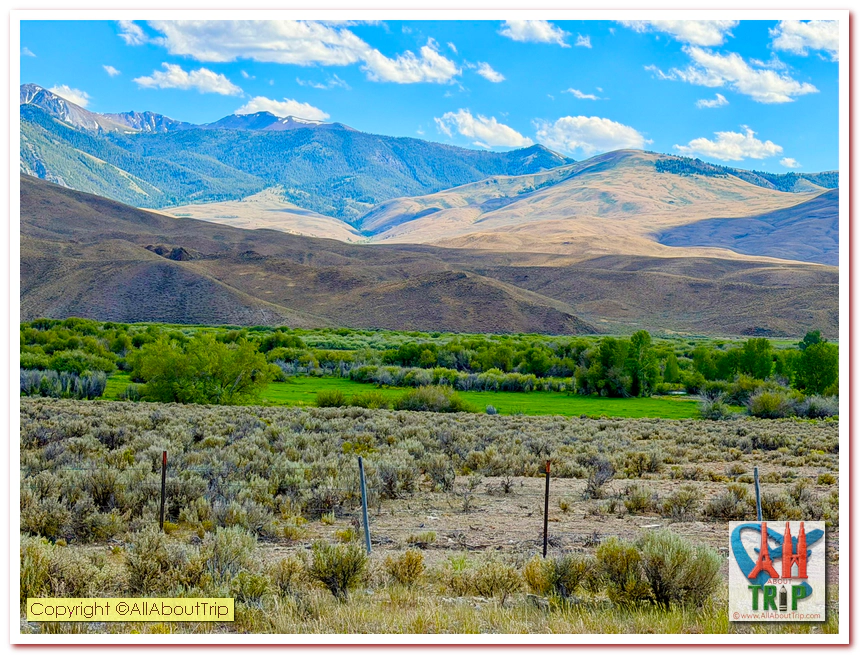
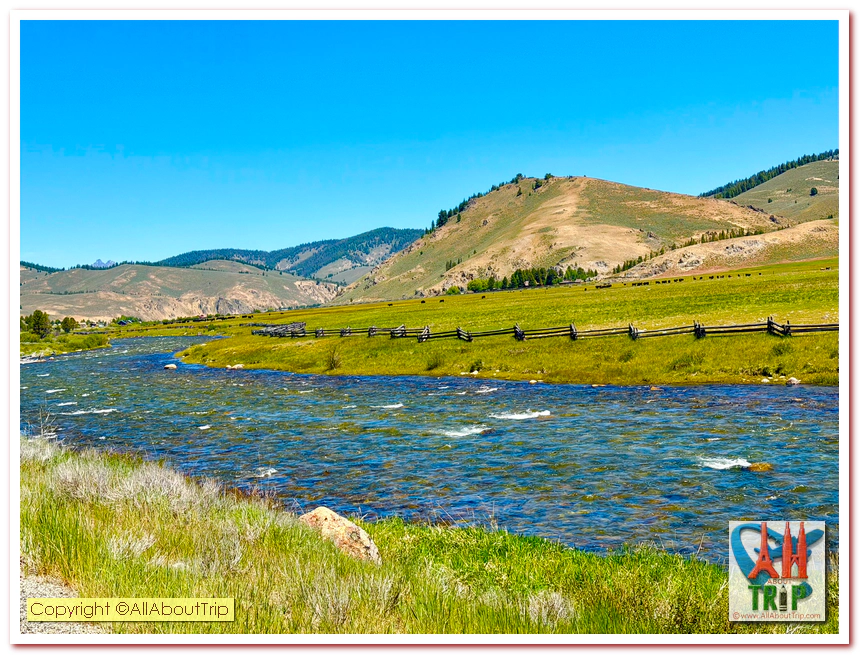
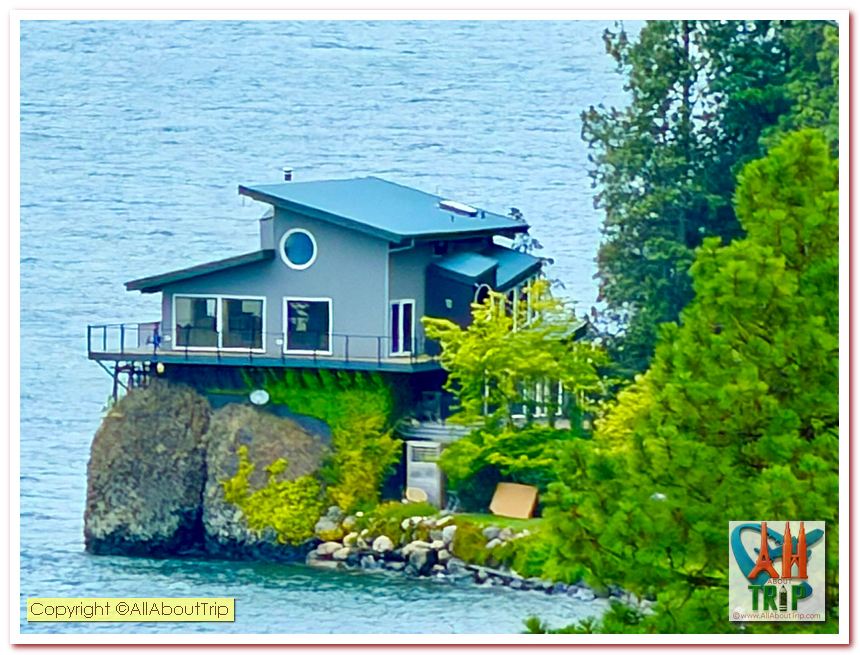
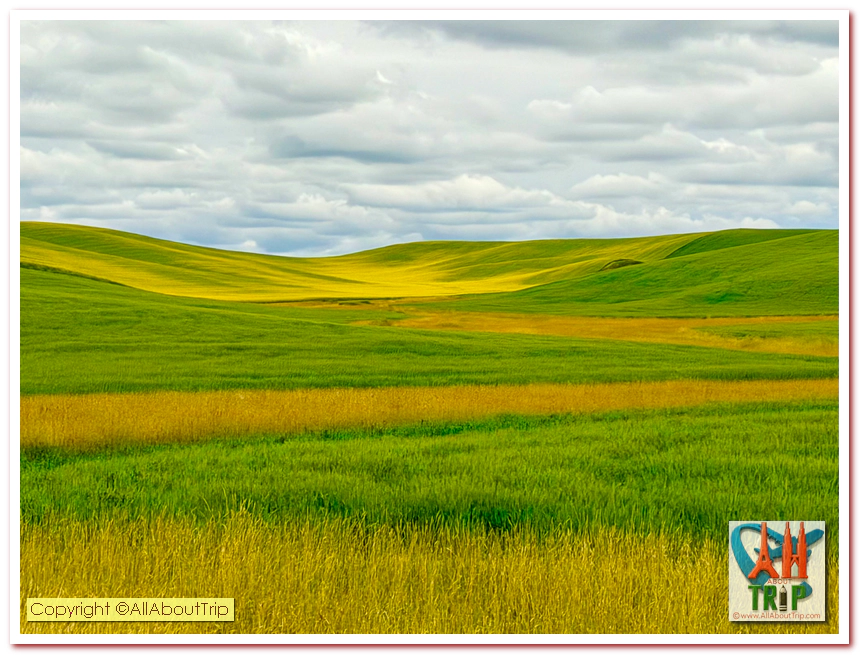
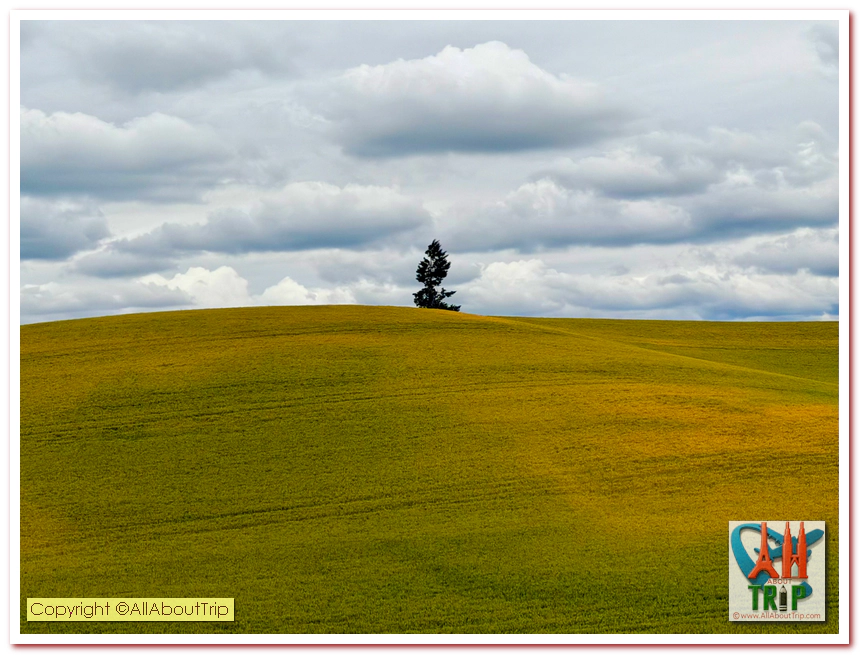
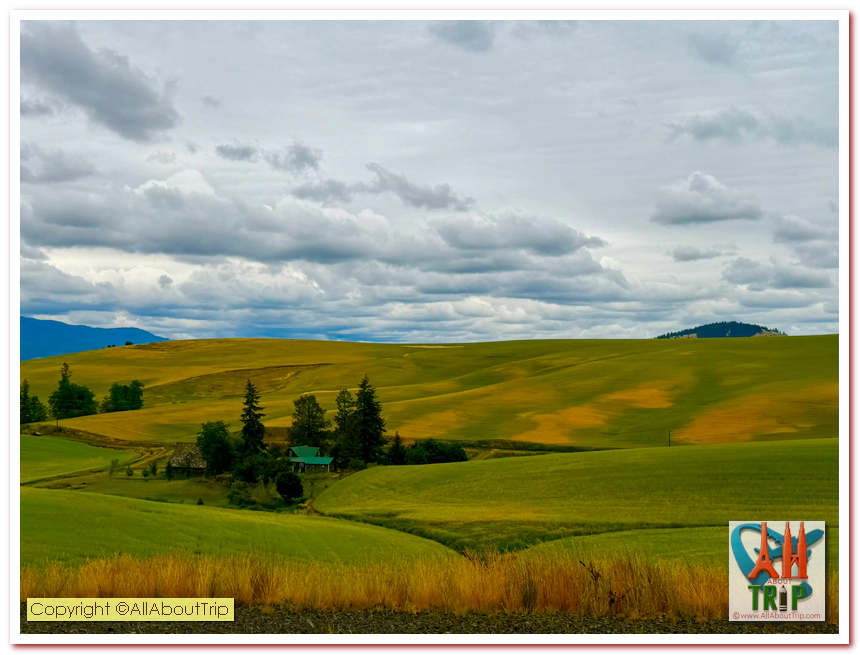
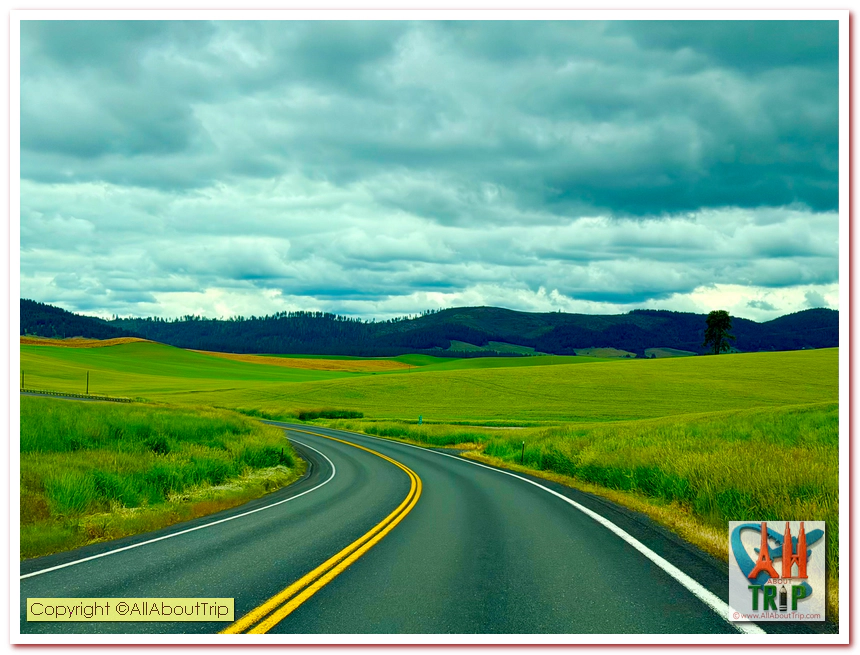
Keep scrolling through the beauties to find the secret.
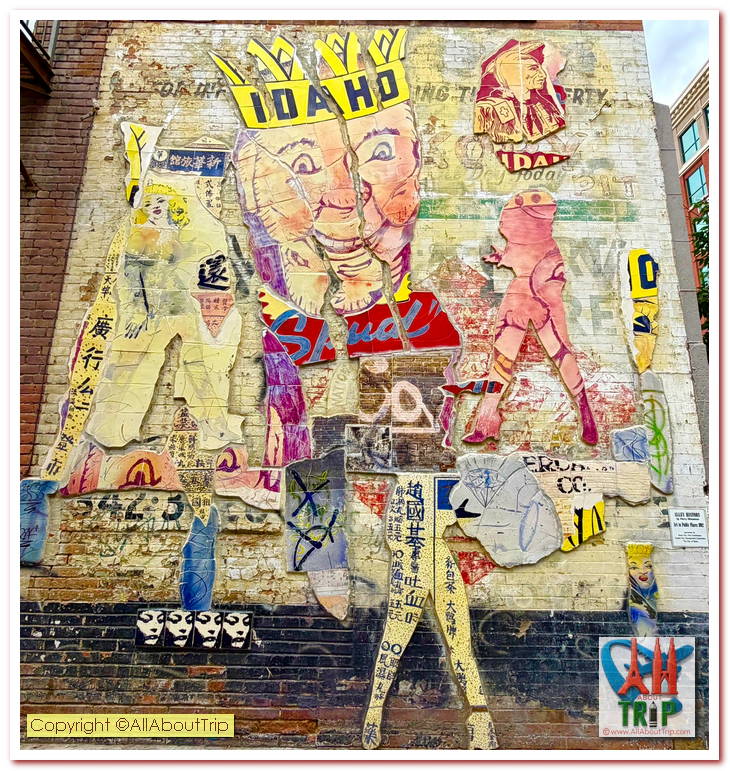
Wait a minute. What? This is Idaho, in the US of A! Wow!
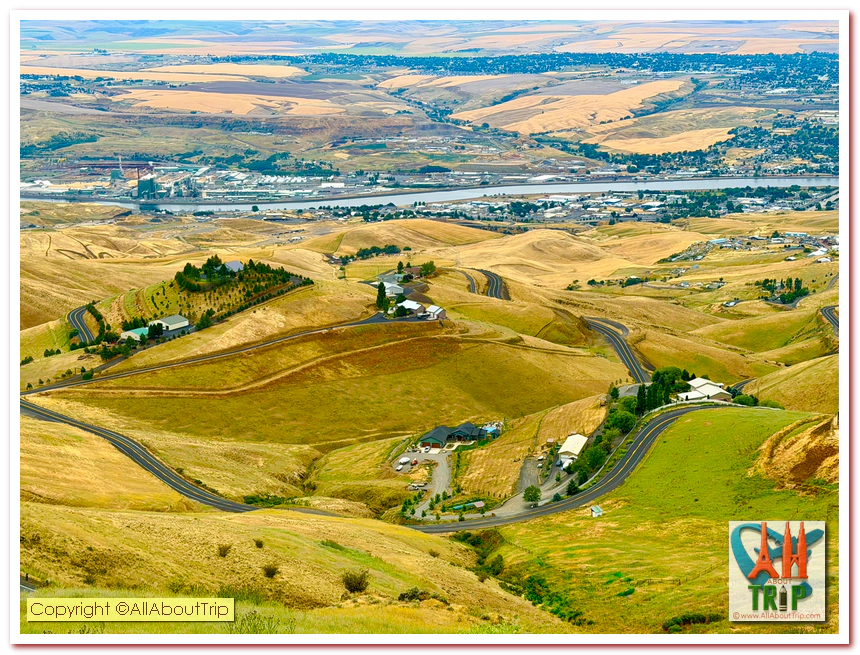
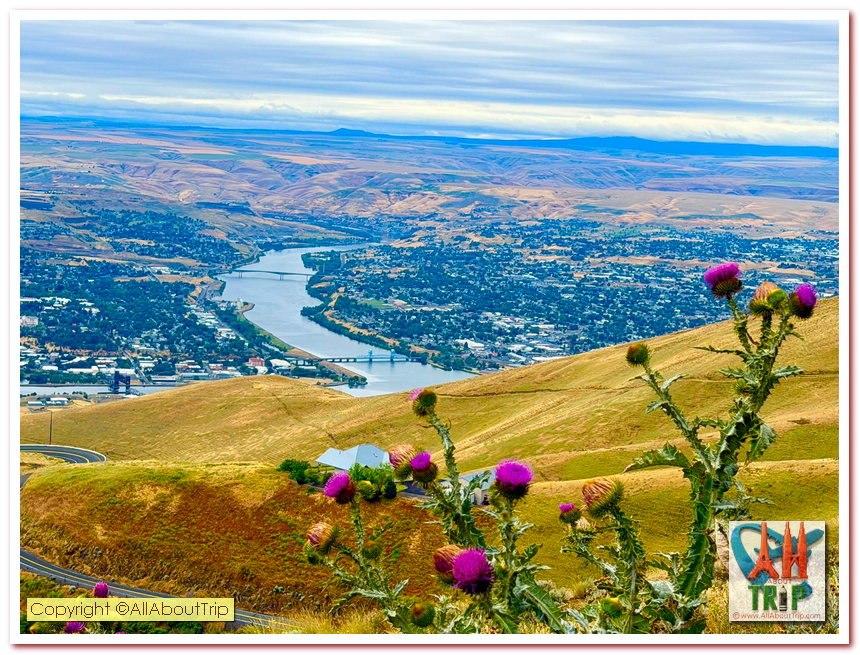
Idaho does not always announce itself loudly. It reveals itself one road, one river bend, one mountain pass, and one unexpectedly beautiful stop at a time. It is a state where powerful waterfalls, silent alpine lakes, volcanic landscapes, deep canyons, old mining towns, ski valleys, and long scenic drives somehow fit together without feeling forced.
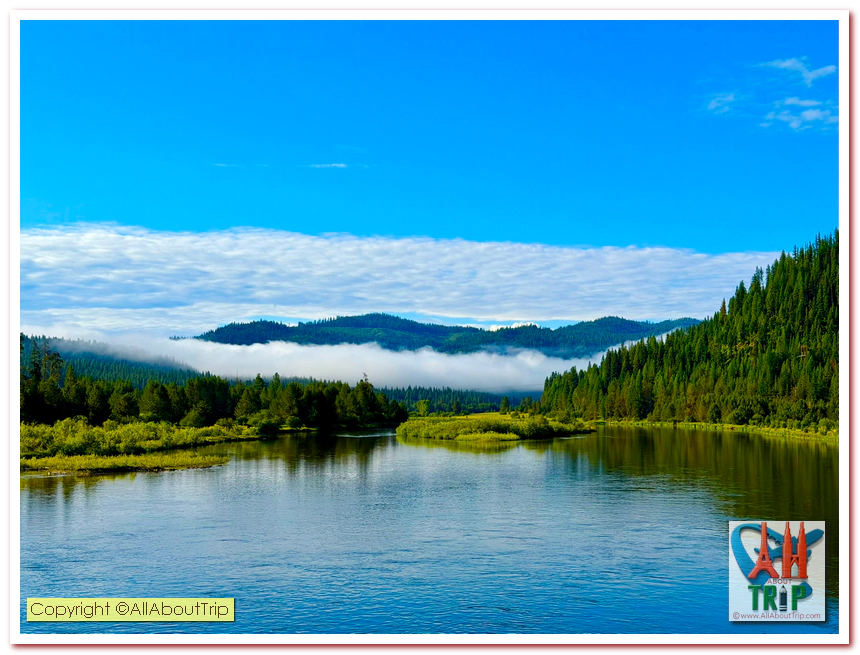
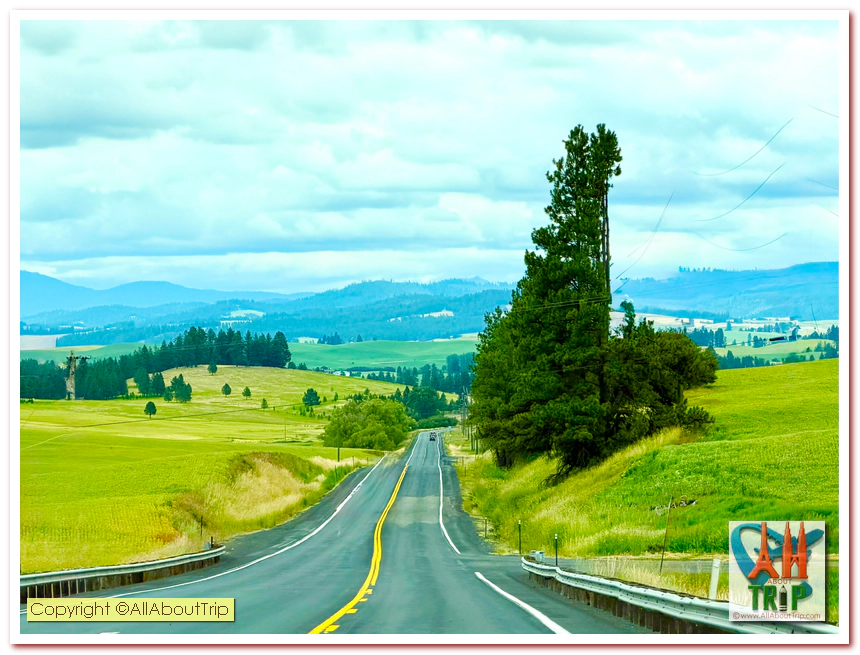
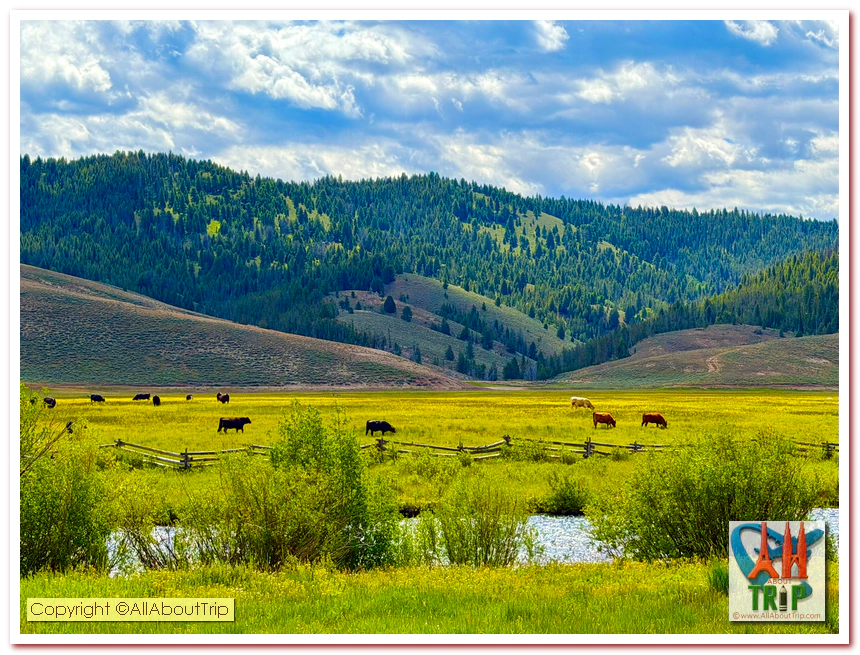
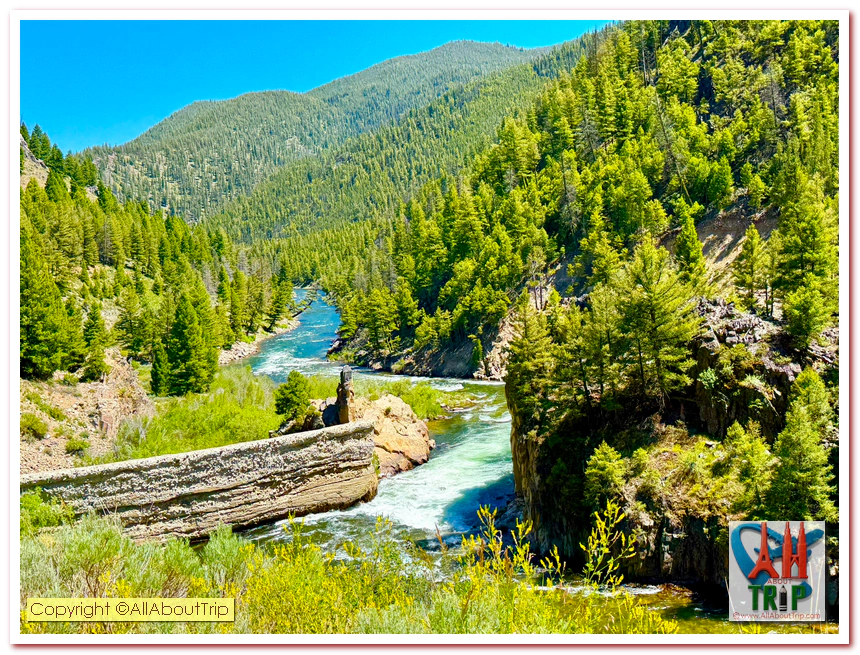
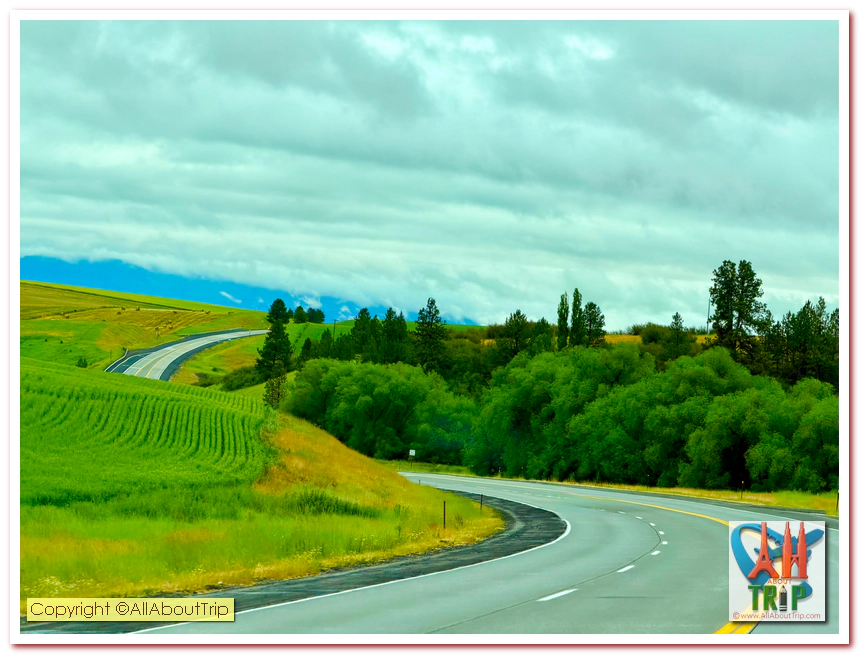
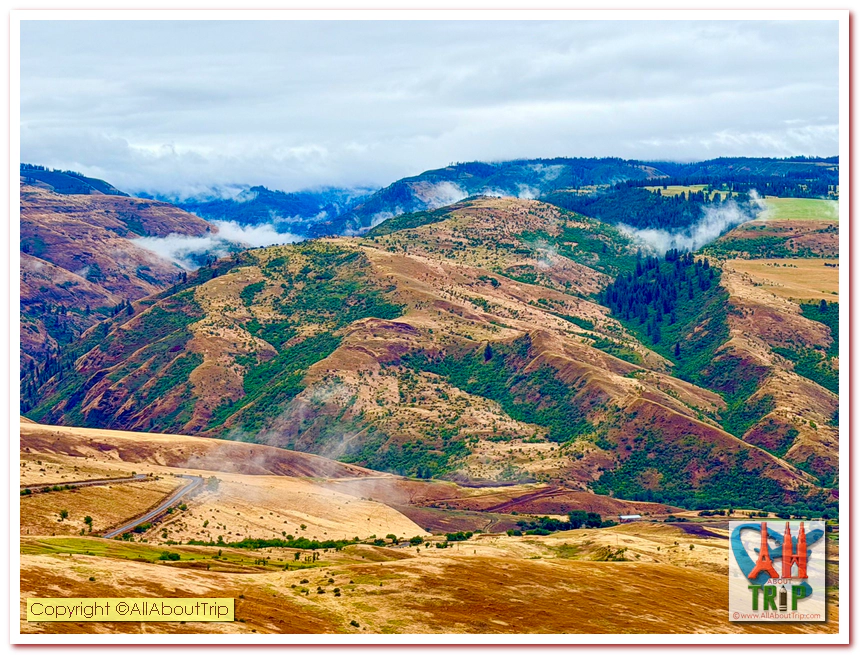
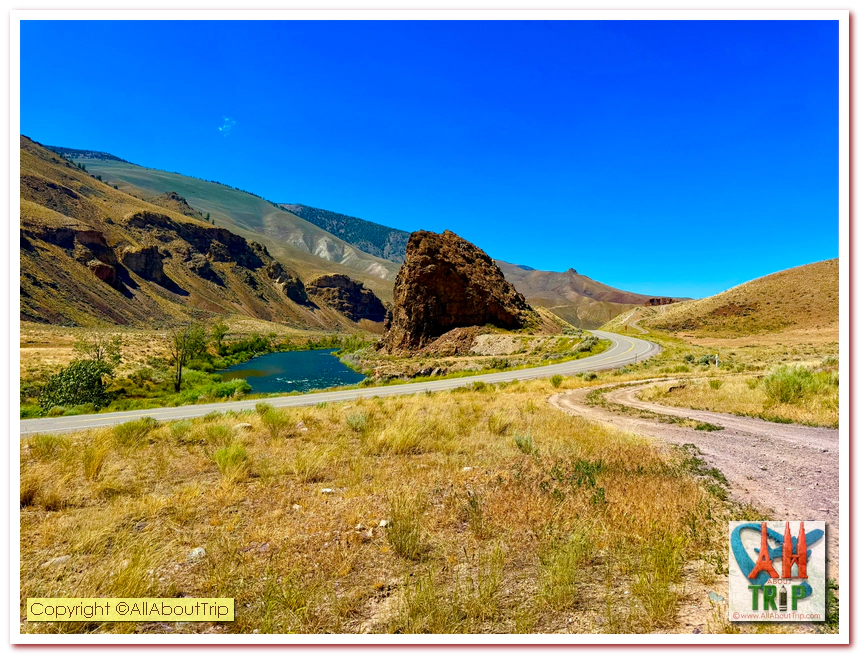
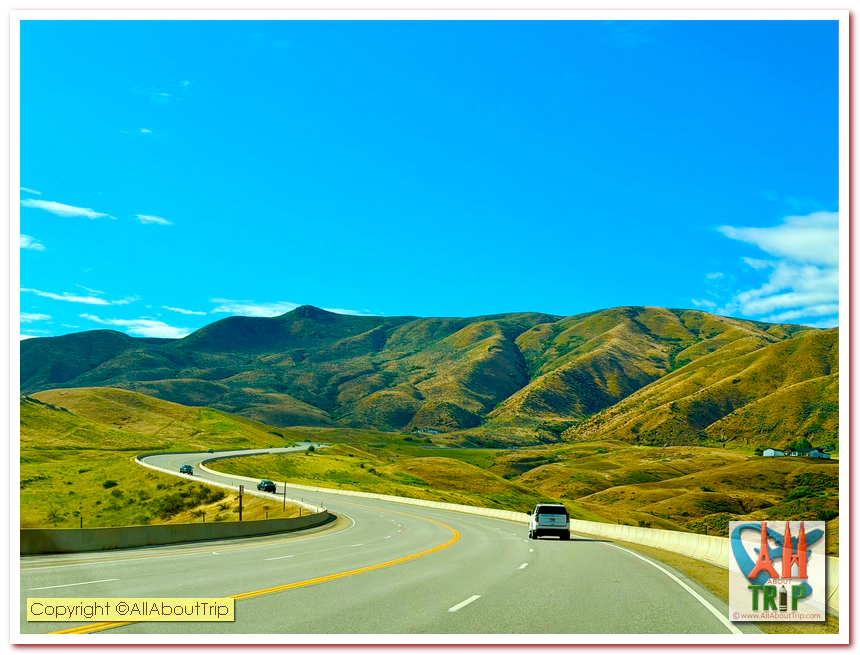
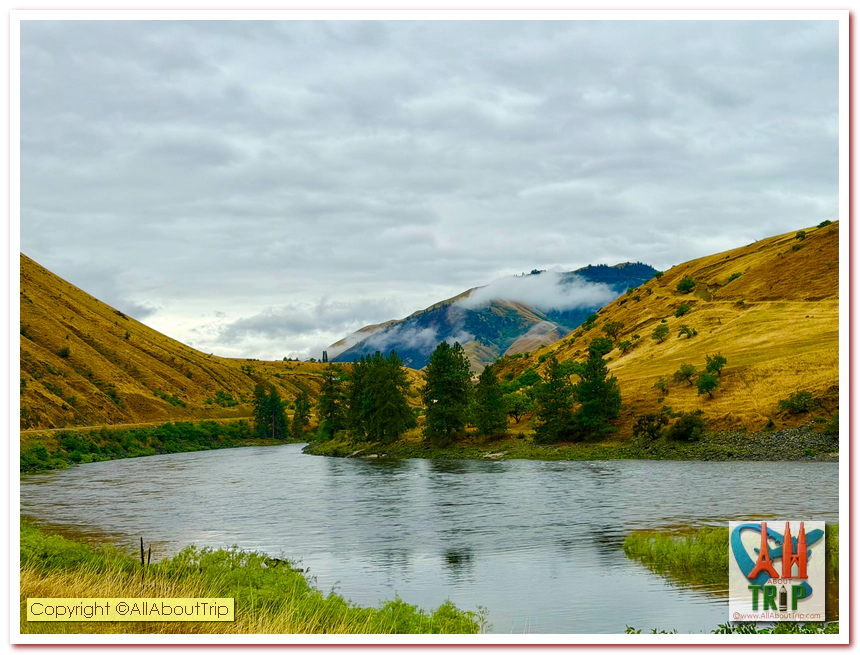
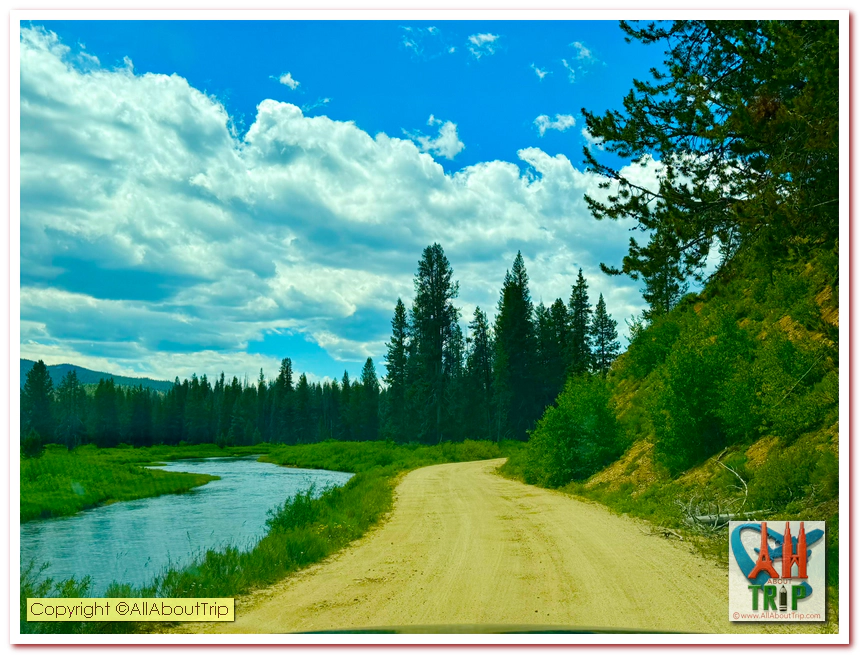
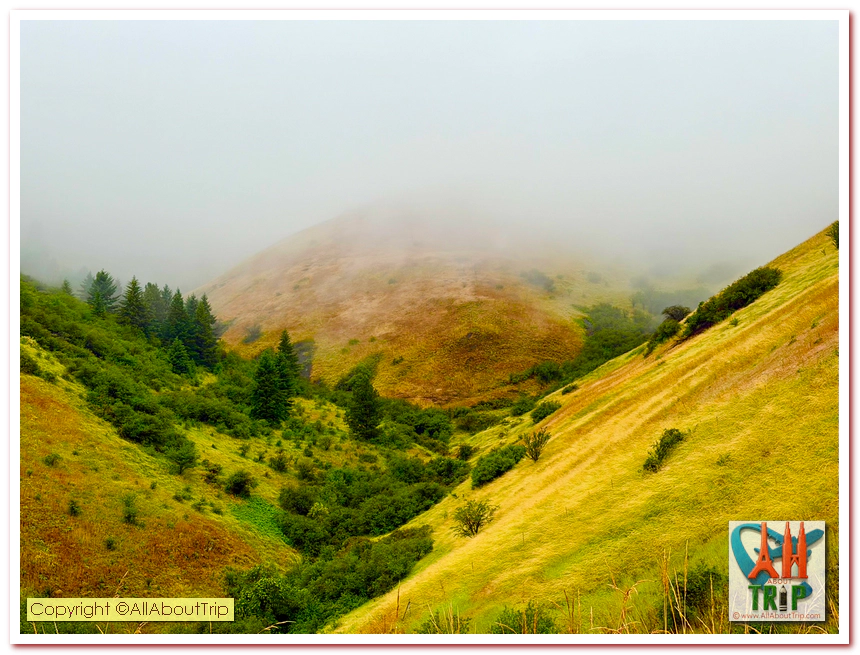
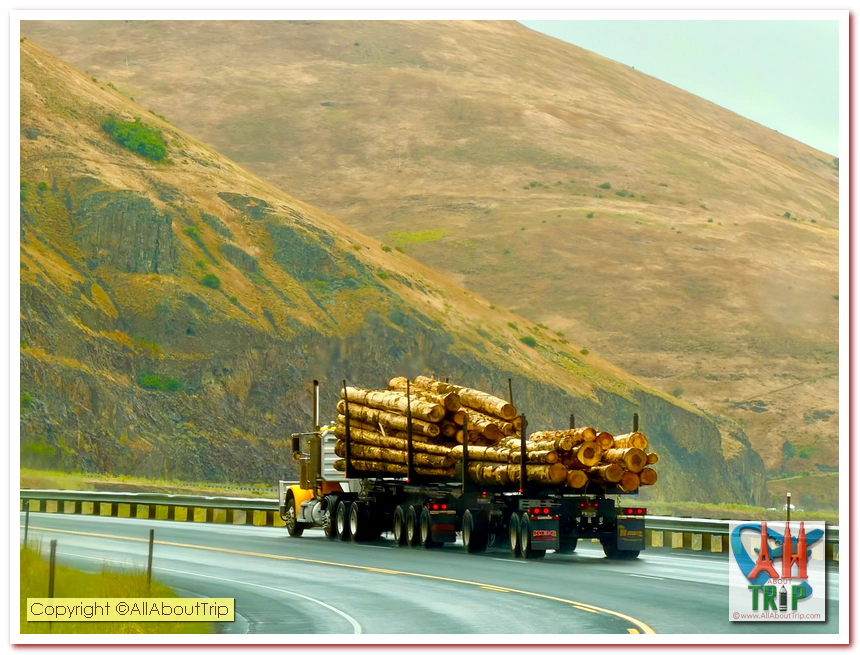
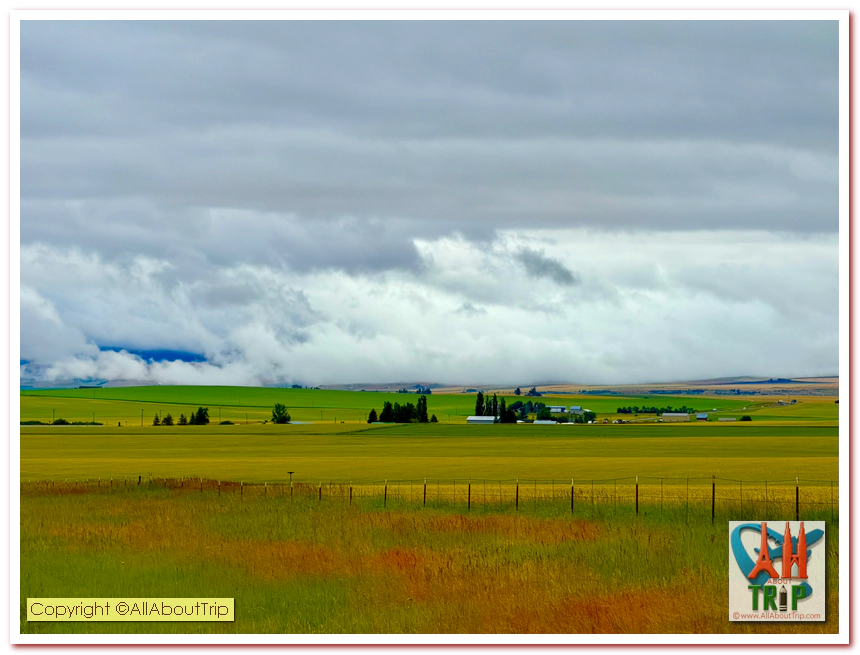
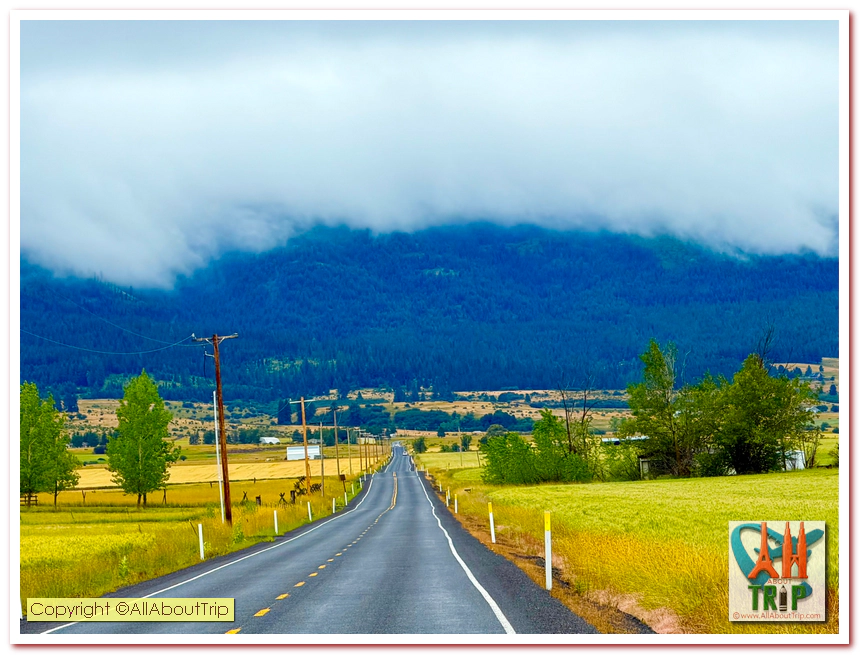
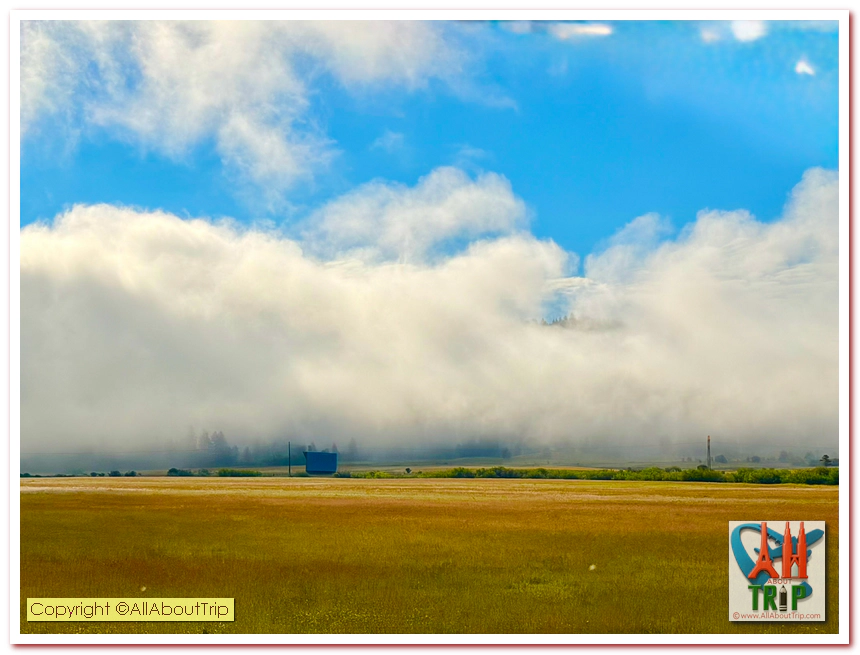
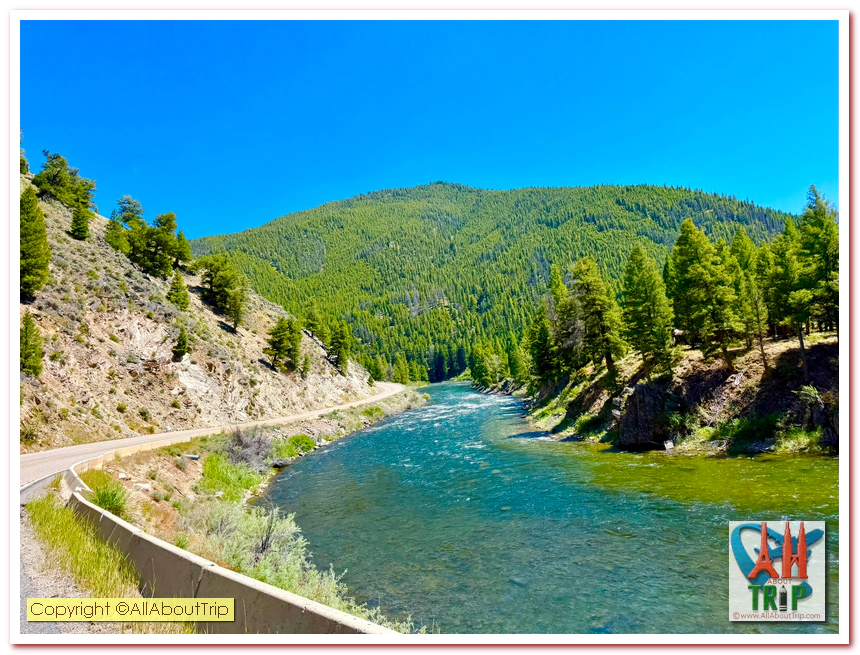
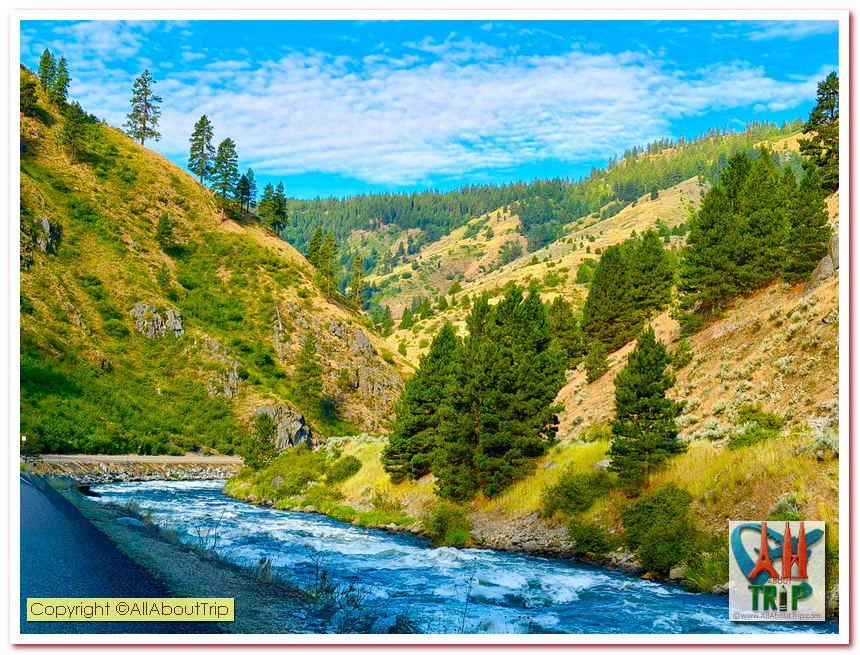
Sometimes the experience is not even about reaching a famous landmark. It is about driving through low clouds rolling over green hills, passing grazing cows beside a flowing river, with almost no traffic and nowhere urgent to be. There is something deeply calming about Idaho’s open roads. The landscape does not demand attention; it quietly earns it.
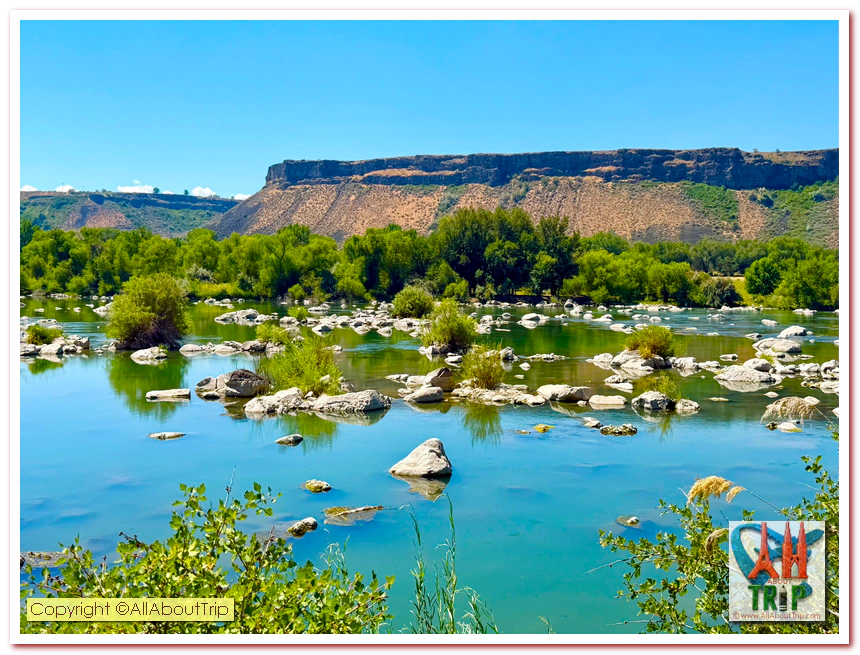
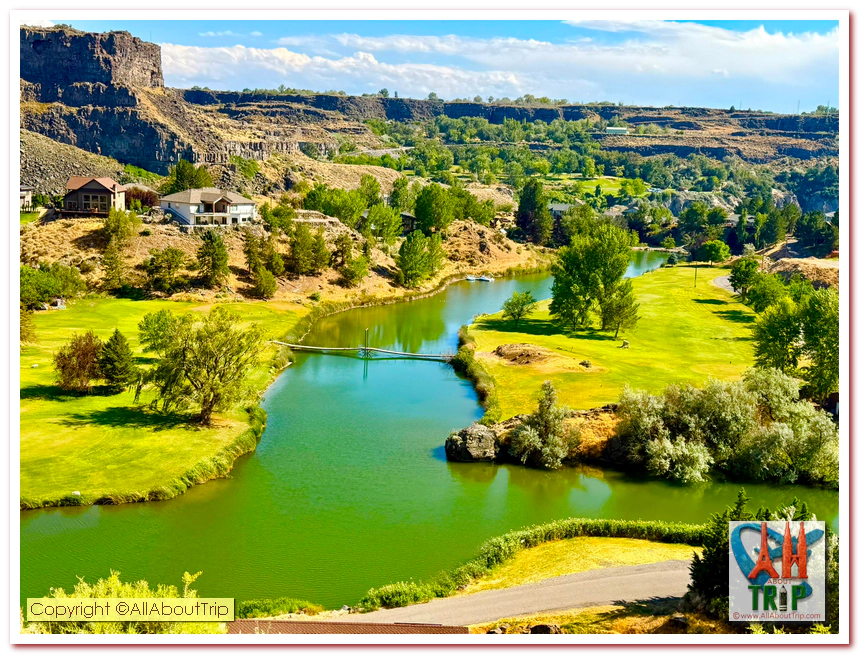
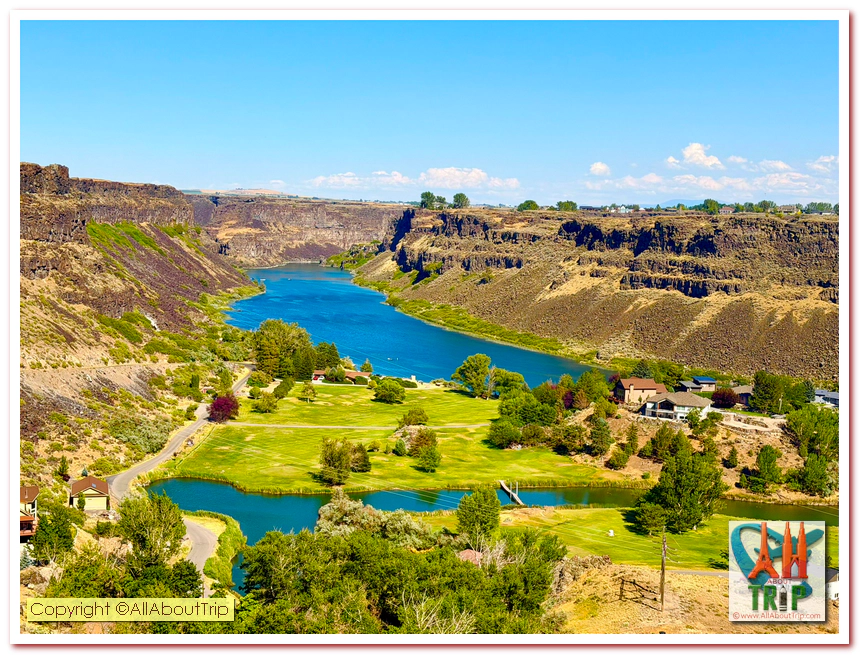
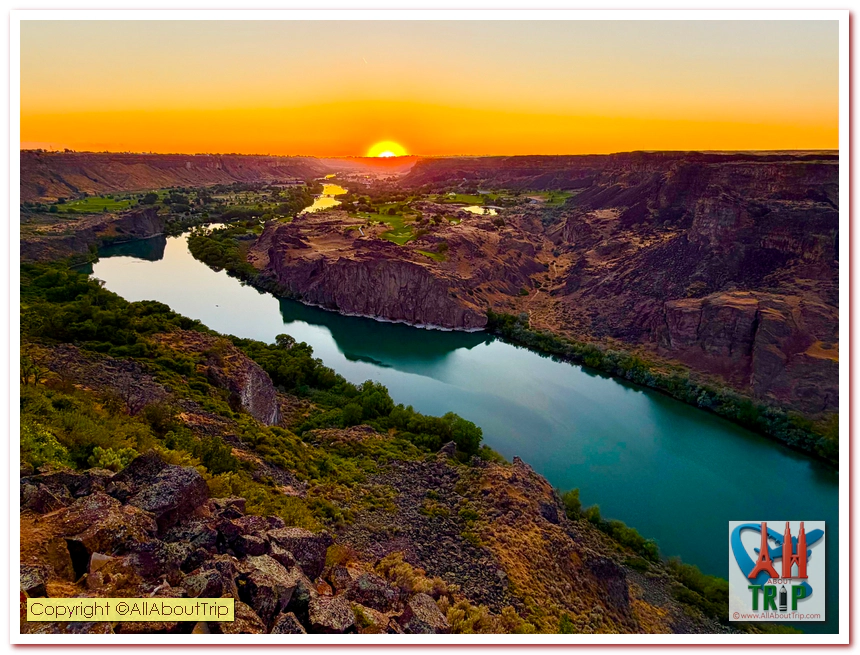
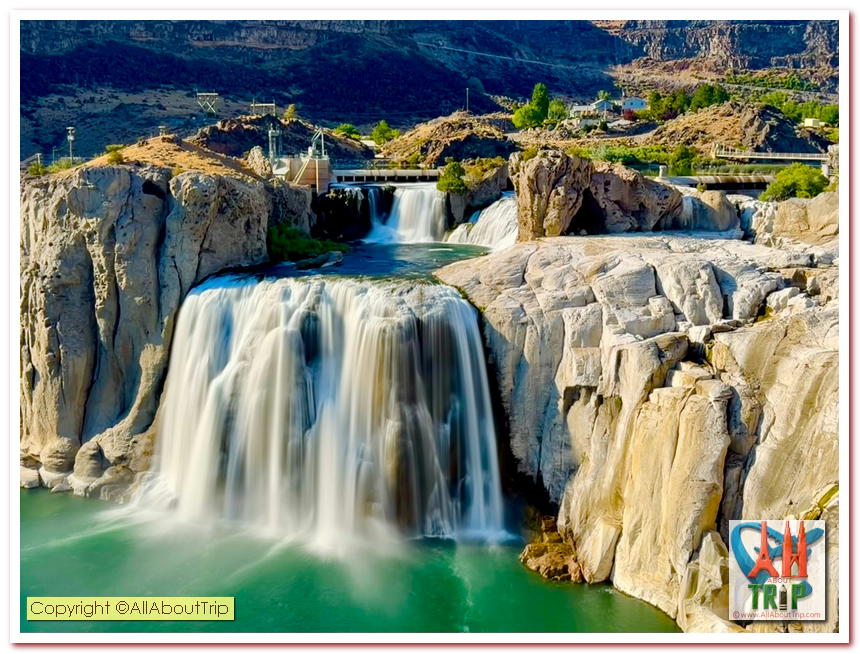
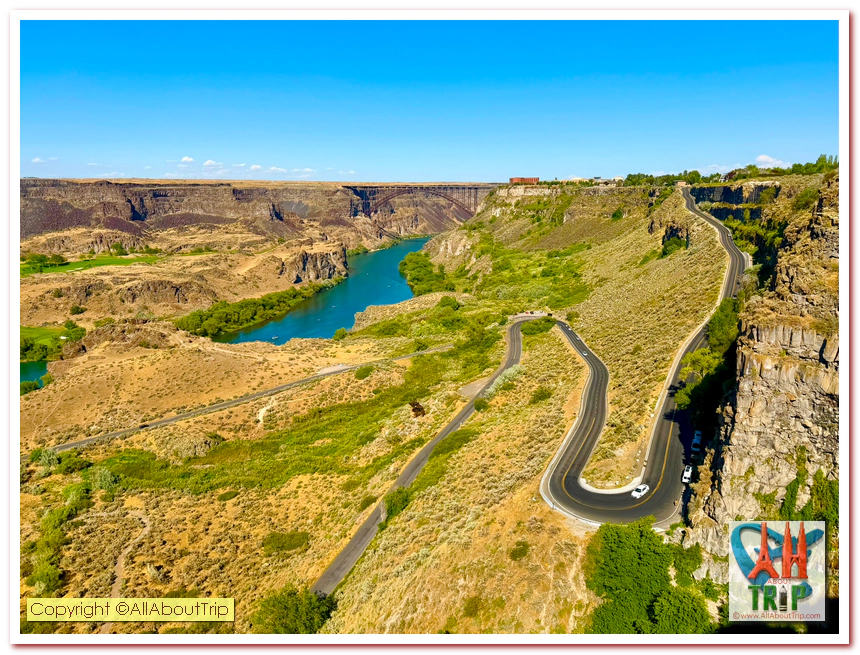
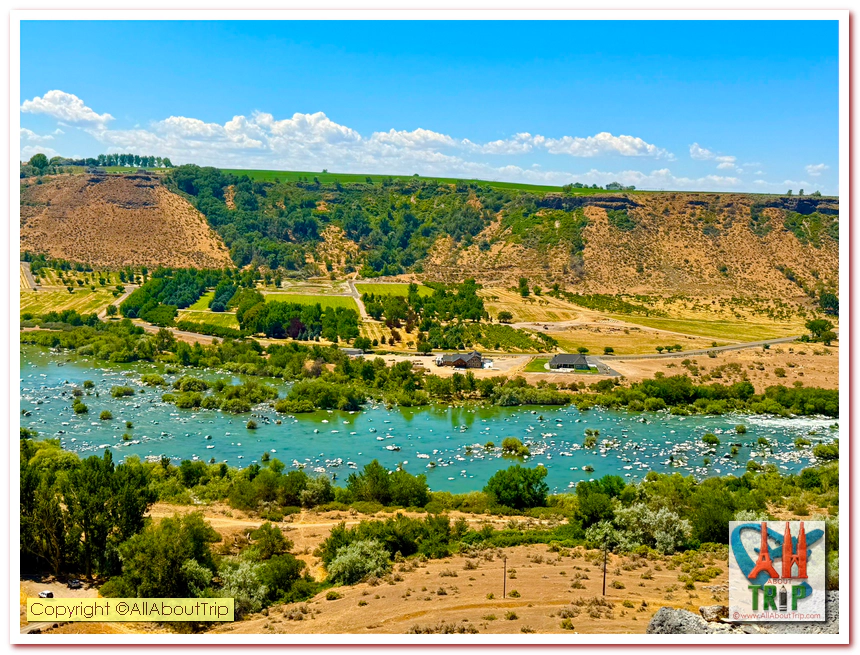
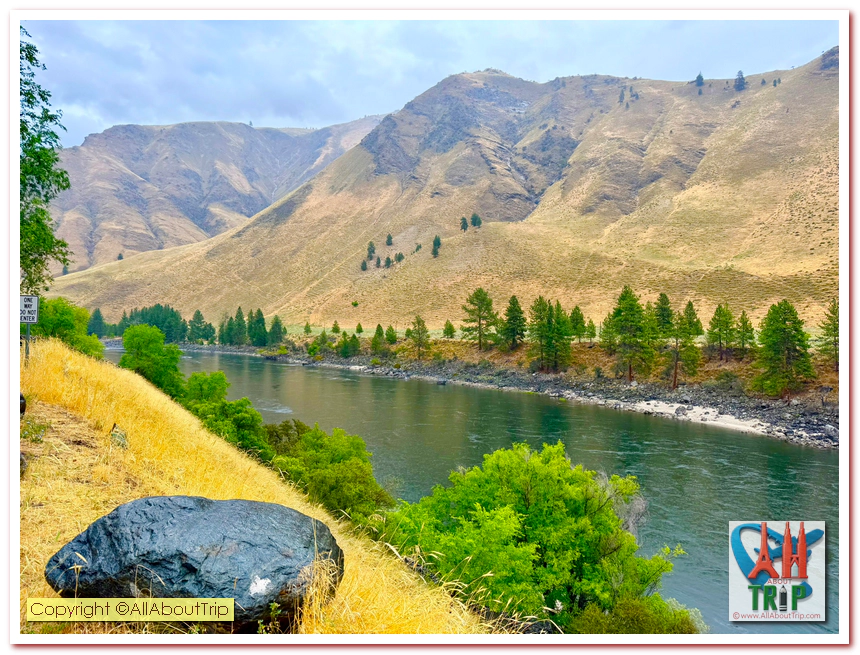
Twin Falls is often where that introduction begins. Built around the Snake River Canyon, the city has wide open views that make even a quick stop feel substantial. The Snake River cuts dramatically through the landscape, creating cliffs, viewpoints, walking trails, and an atmosphere that is far bigger than the city itself. Nearby, Shoshone Falls is one of Idaho’s great surprises. Often called the “Niagara of the West,” it is broad, powerful, and especially impressive during spring and early summer, when snowmelt gives the falls their full force.
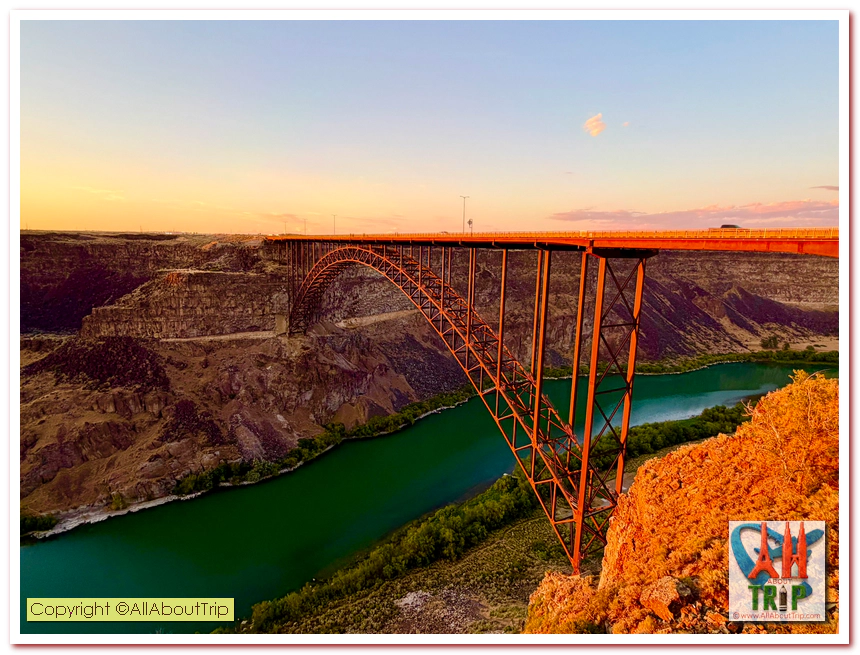
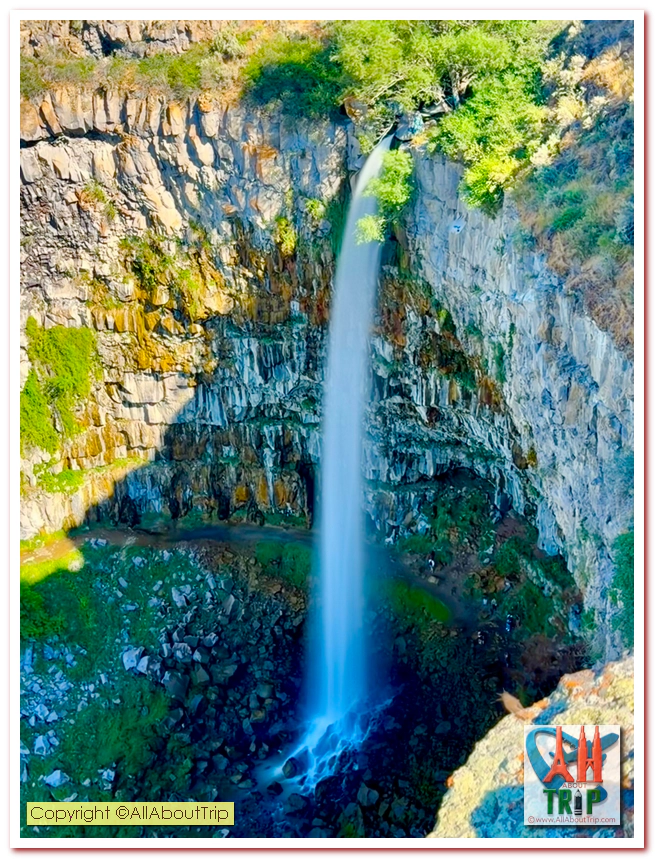
The Perrine Bridge stretches across the Snake River Canyon and offers one of the most memorable views in southern Idaho. It is not merely a bridge to cross; it is a place to stop, look down into the canyon, watch the river move below, and understand how large this landscape truly is. Nearby Perrine Coulee Falls adds another unexpected moment, dropping from the canyon rim in a setting that feels almost cinematic.
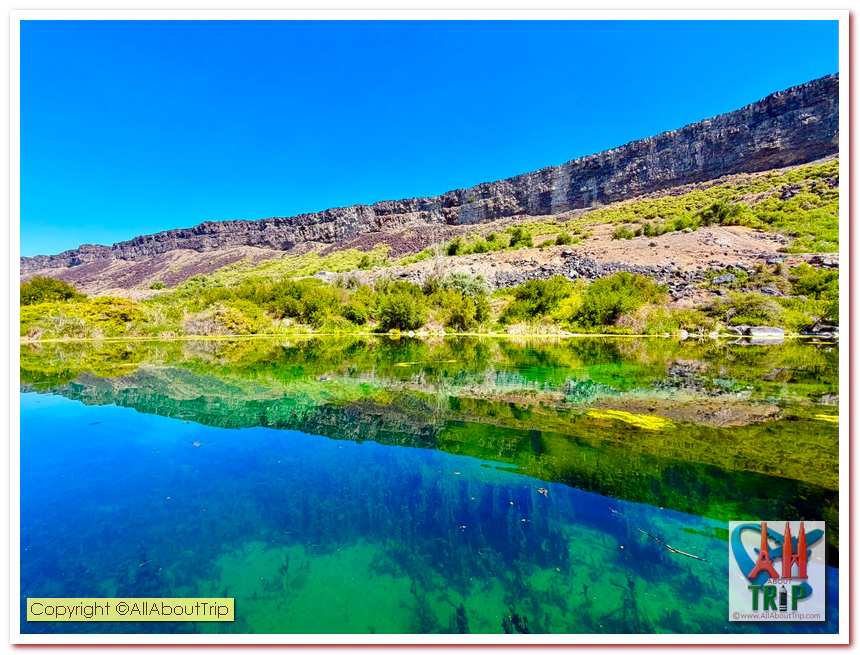
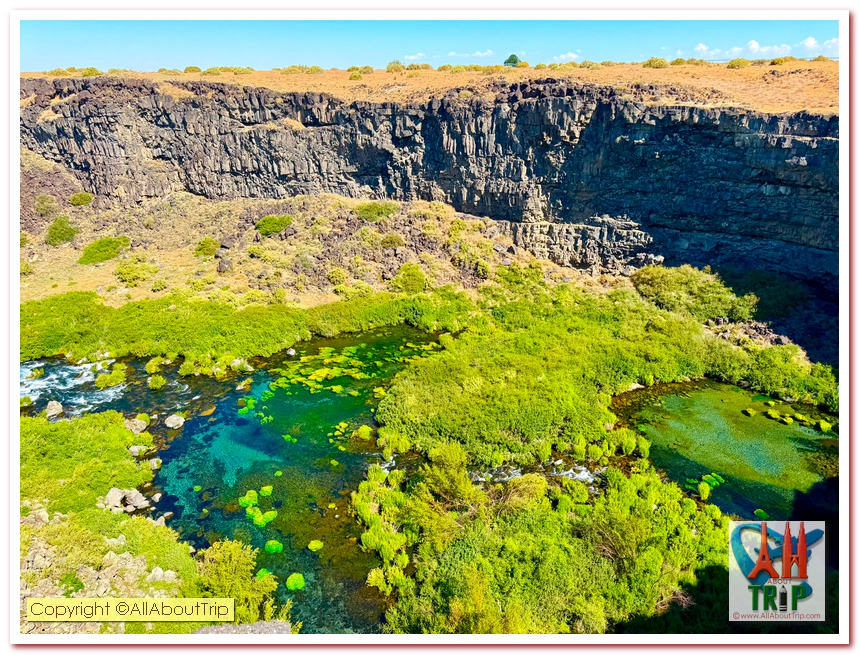
Further west, Thousand Springs State Park feels like Idaho’s quiet answer to a tropical escape, except the water comes from ancient underground aquifers rather than the sea. Clear blue springs emerge from canyon walls and feed into the Snake River, creating a peaceful landscape of waterfalls, pools, cliffs, and greenery. It is one of those places that makes travelers slow down without being told to.
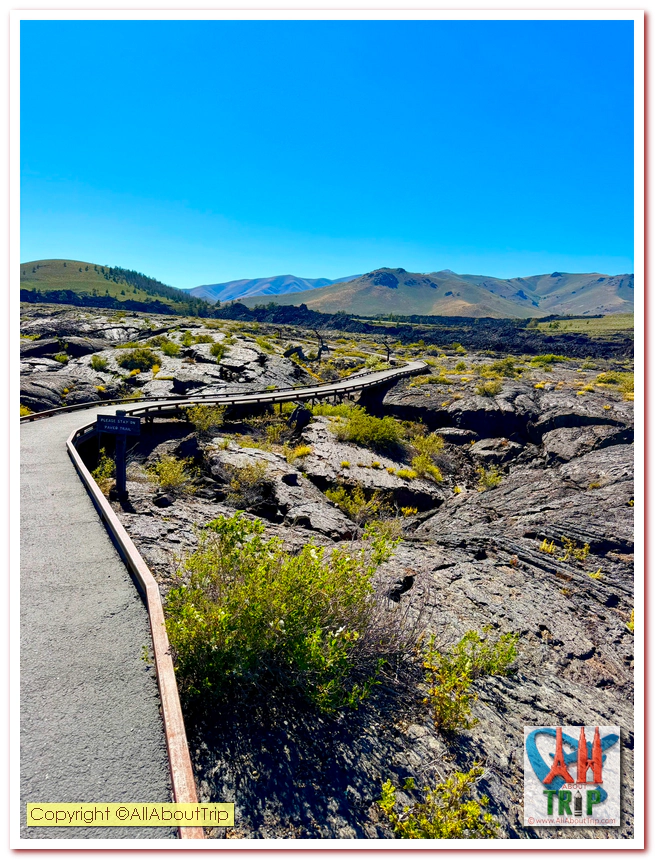
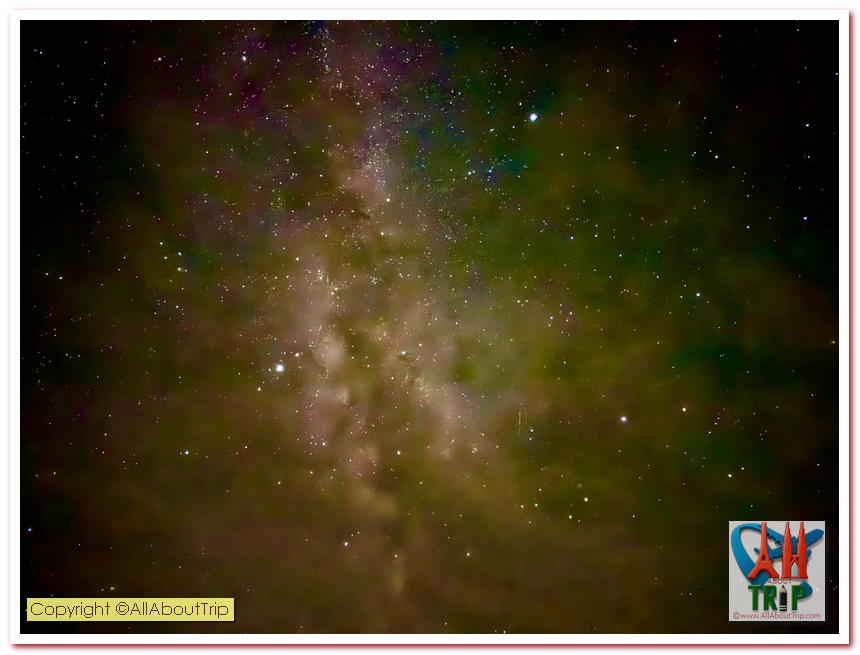
Craters of the Moon changes the scenery completely. The forests and lakes give way to black lava fields, volcanic cones, caves, and strange formations that make the land feel closer to another planet than to the rest of Idaho. It is one of those places where the landscape does most of the talking. The contrast between volcanic rock, open sky, distant mountains, and a star-filled night makes it unforgettable.
Gorgeous photos and blog continues ...
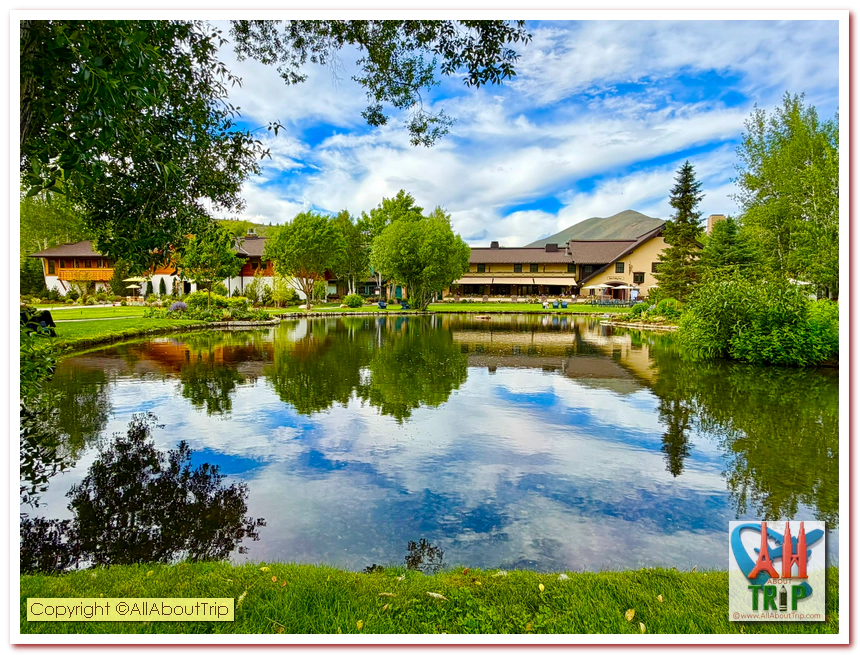
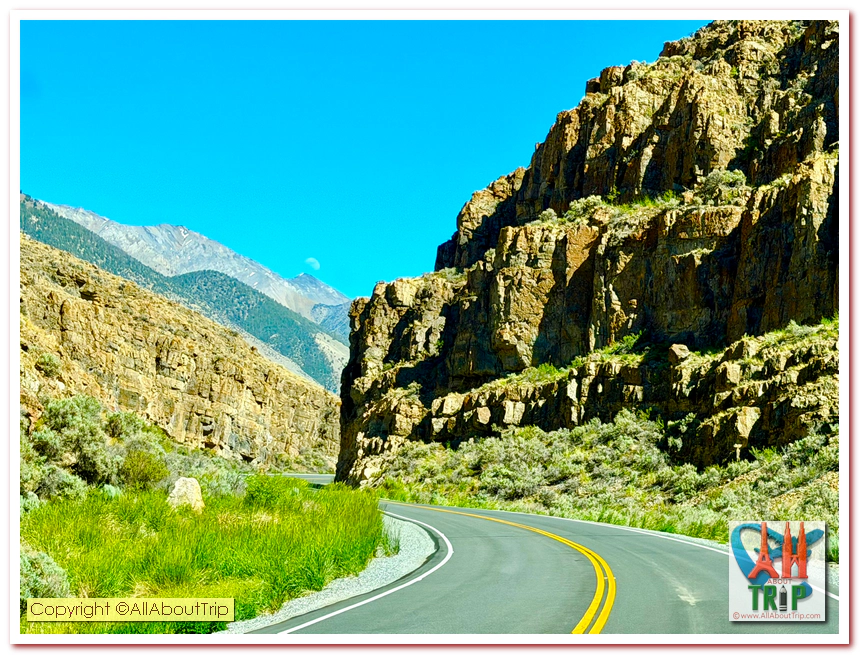
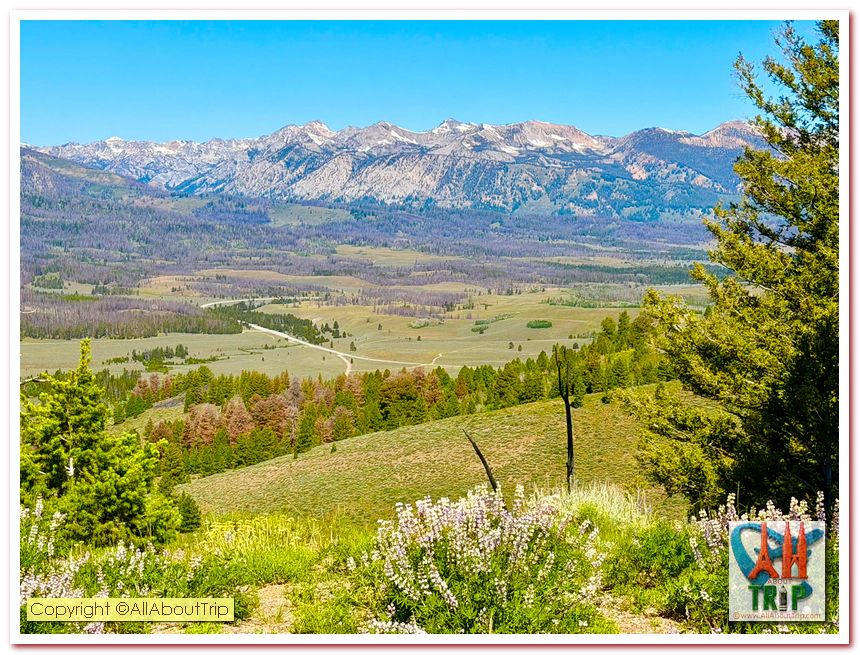
Then Idaho begins rising. Sun Valley has long been known for skiing, polished mountain-town charm, and a certain understated elegance. But even outside winter, the area is worth experiencing for its hiking, biking, open meadows, mountain air, and relaxed pace. The drive north through Galena Summit is equally memorable. The highway climbs into high alpine country, with sweeping views that make it clear why Idaho is often more impressive than people expect.
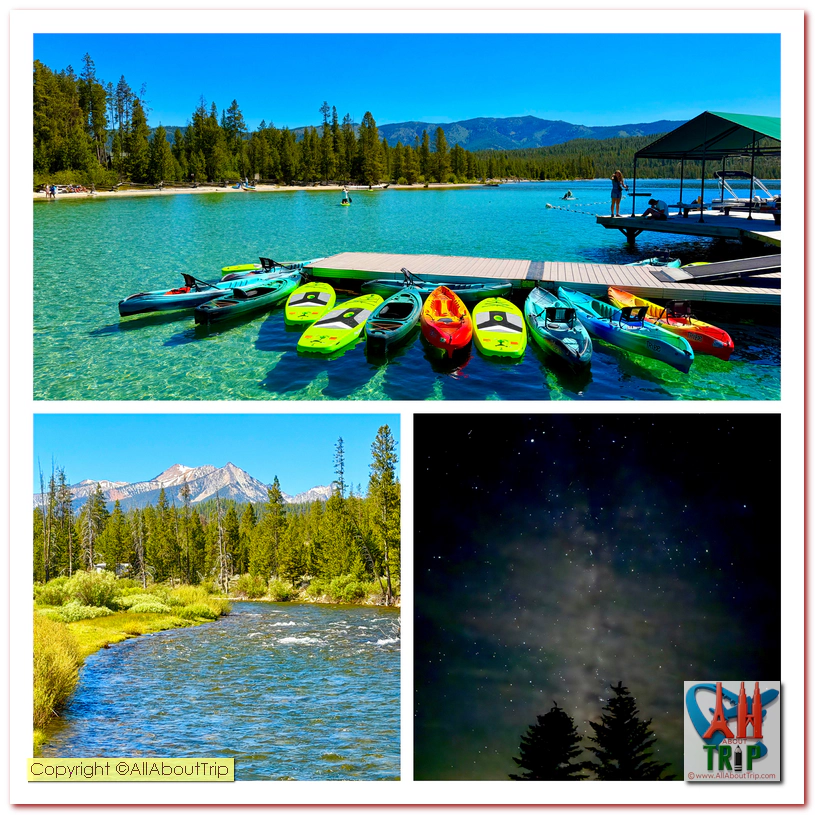
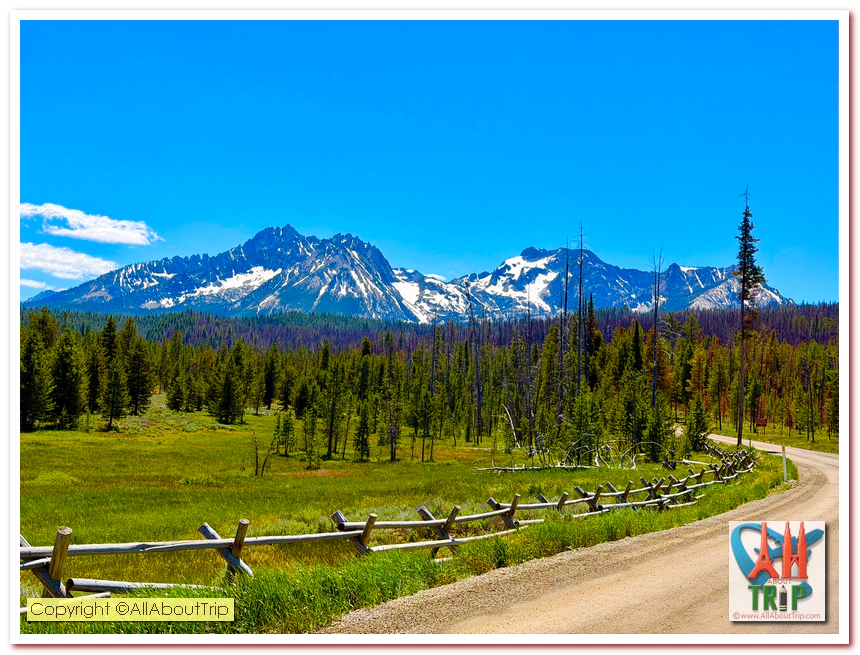
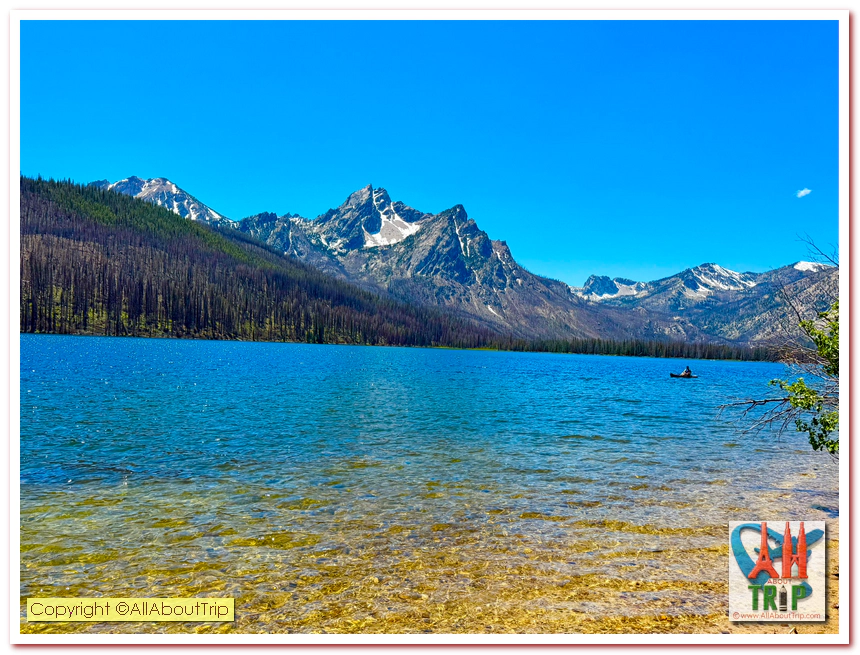
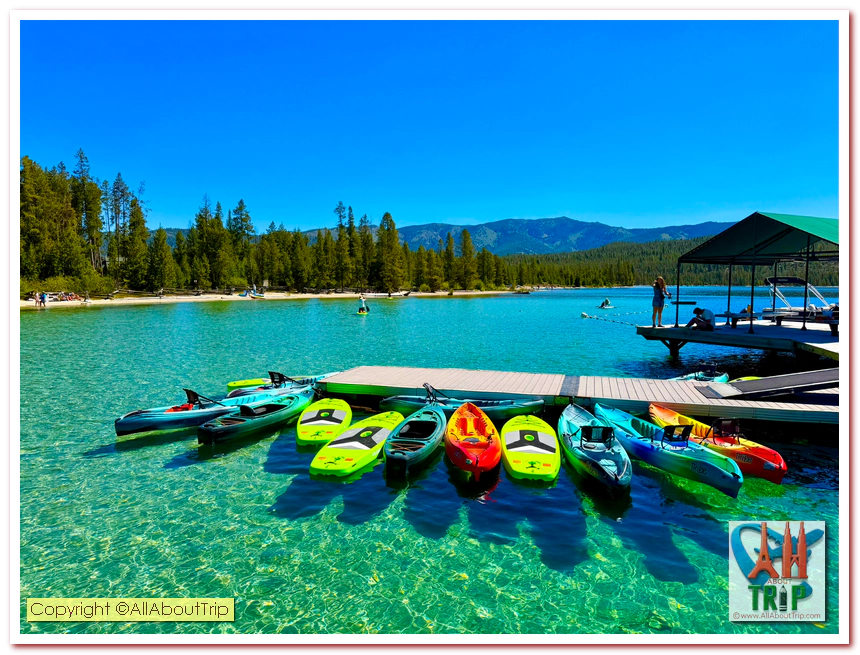
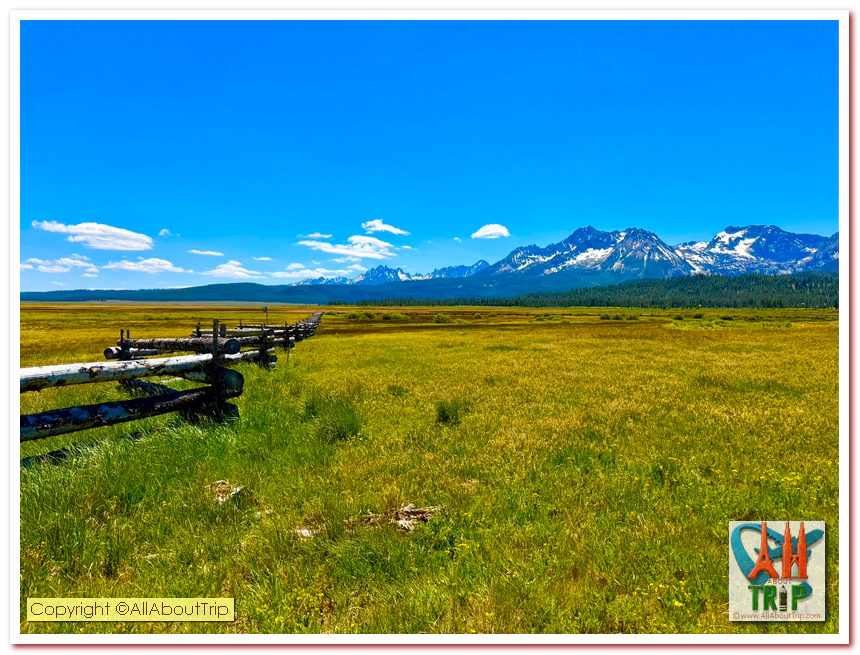
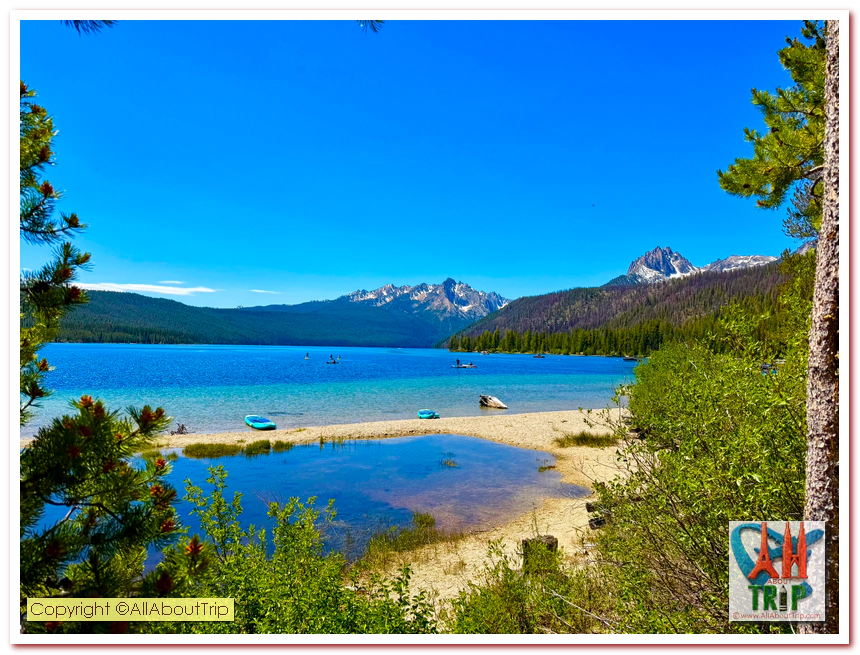
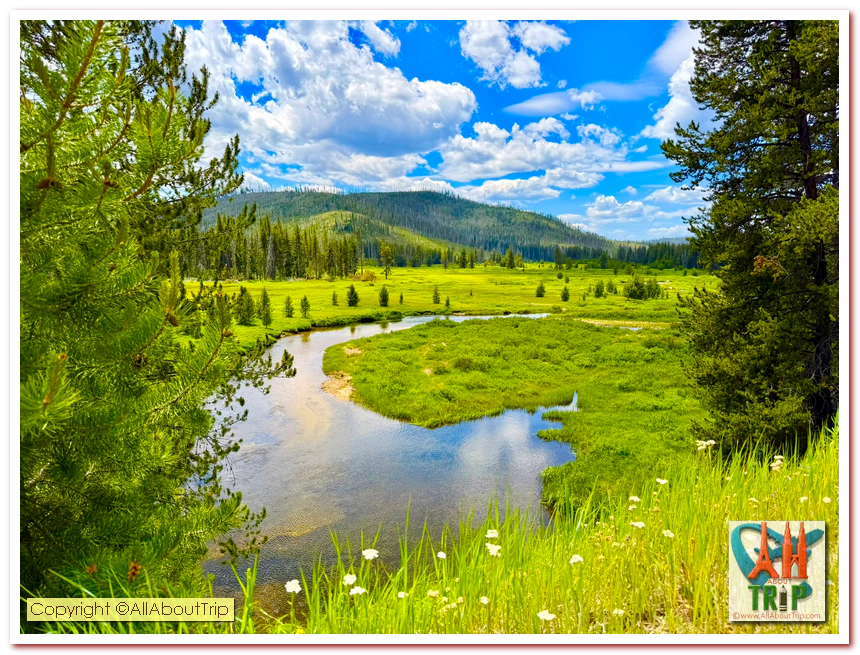
Stanley is small, but its setting is enormous. Surrounded by the Sawtooth Mountains, it feels like a place built at the edge of wilderness. The jagged peaks, clear rivers, and endless roads leading into the mountains make Stanley an ideal base for anyone who wants Idaho at its most raw and beautiful. Redfish Lake, nearby, reflects Sawtooth in calm water on clear days and offers one of the state’s most classic mountain-lake experiences. It is a place for boating, kayaking, swimming, hiking, or simply sitting still and looking around.
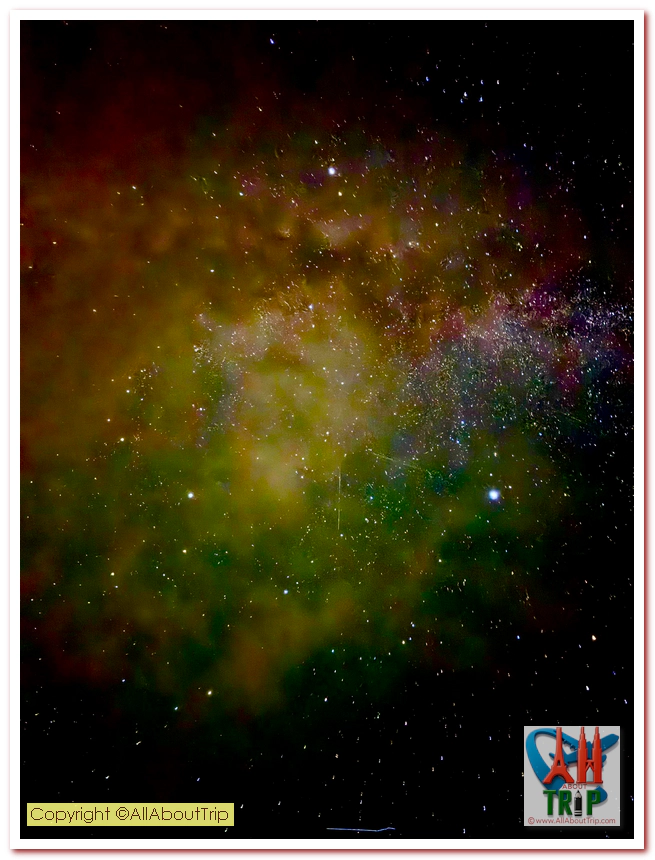
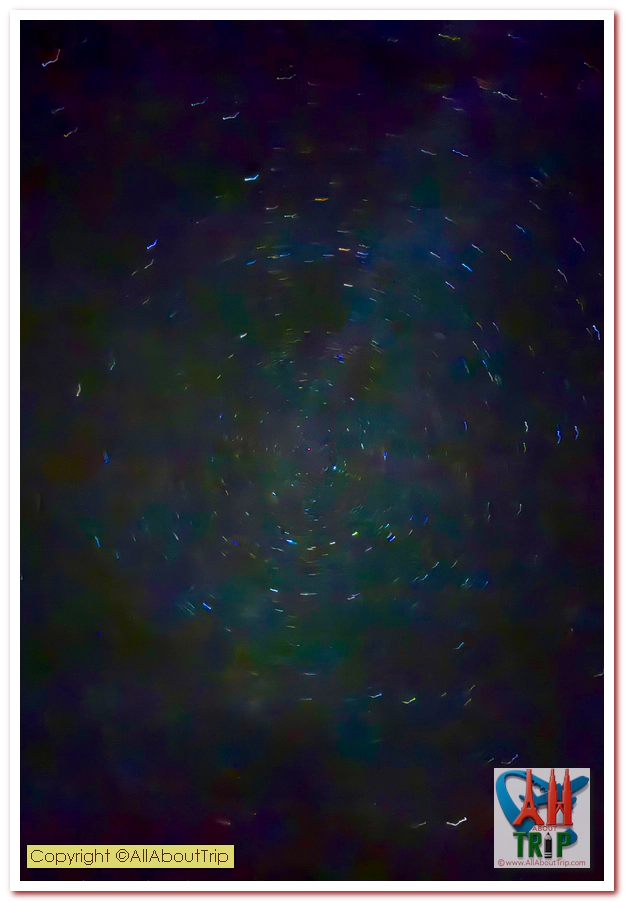
At night, the mountains become even more impressive. Away from city lights, Idaho’s dark skies can reveal an extraordinary spread of stars, with the Milky Way often visible above lakes, forests, and mountain peaks. On rare clear nights, even during the warmer months, a faint Northern Lights display may appear far to the north, adding an unexpected glow to a sky already full of stars. In places such as Stanley and the Sawtooth region, the night sky can feel as much a part of the journey as the mountains themselves.
There's no way to get lost to discover anything!
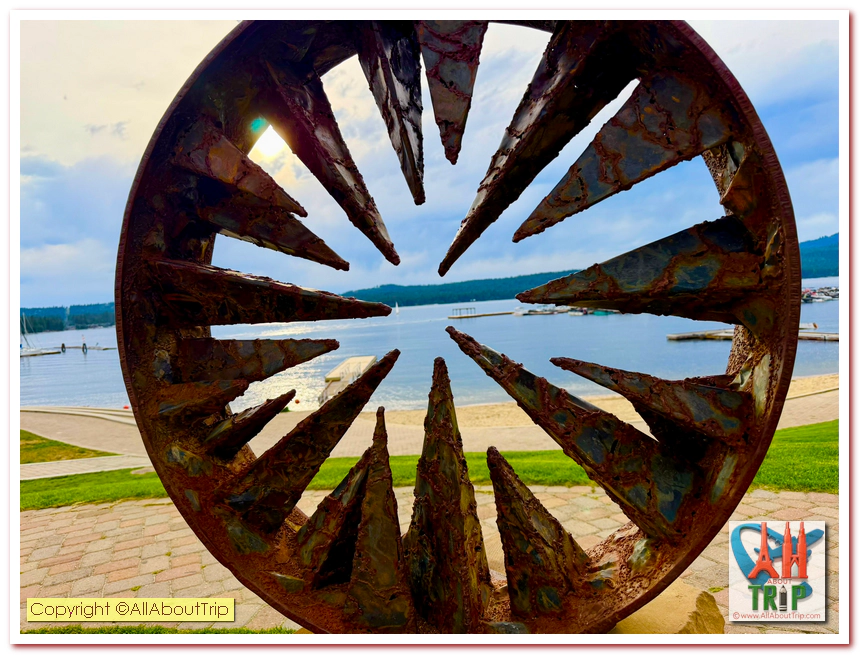
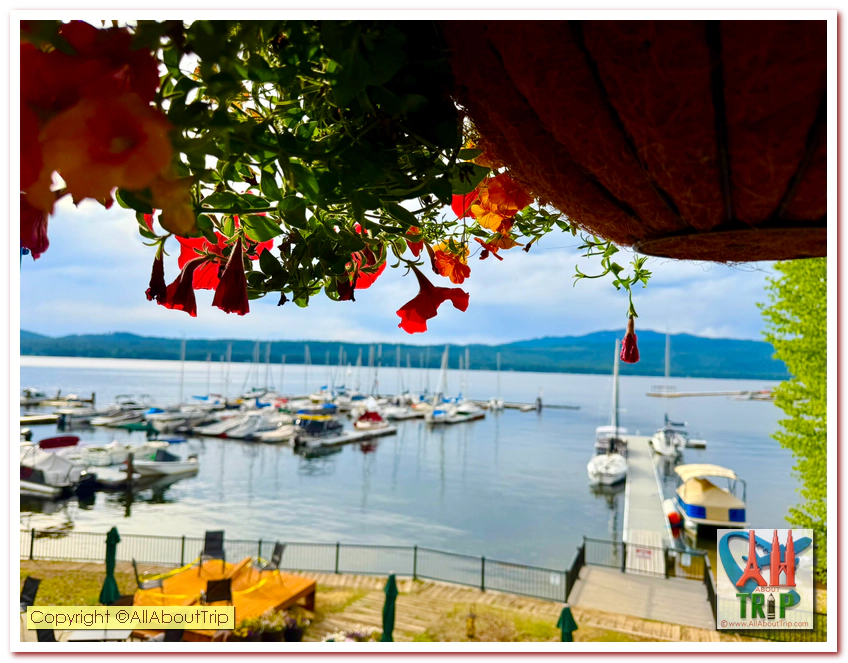
In central Idaho, McCall has the feel of a classic lake town with a mountain backbone. Set beside Payette Lake, it works in every season, boating and lake days in summer, fall colors and quiet roads in autumn, snow and winter sports when the temperature drops. Nearby Cascade offers its own version of Idaho relaxation, with the lake, river, surrounding forests, and the kind of open space that makes city life feel far away.
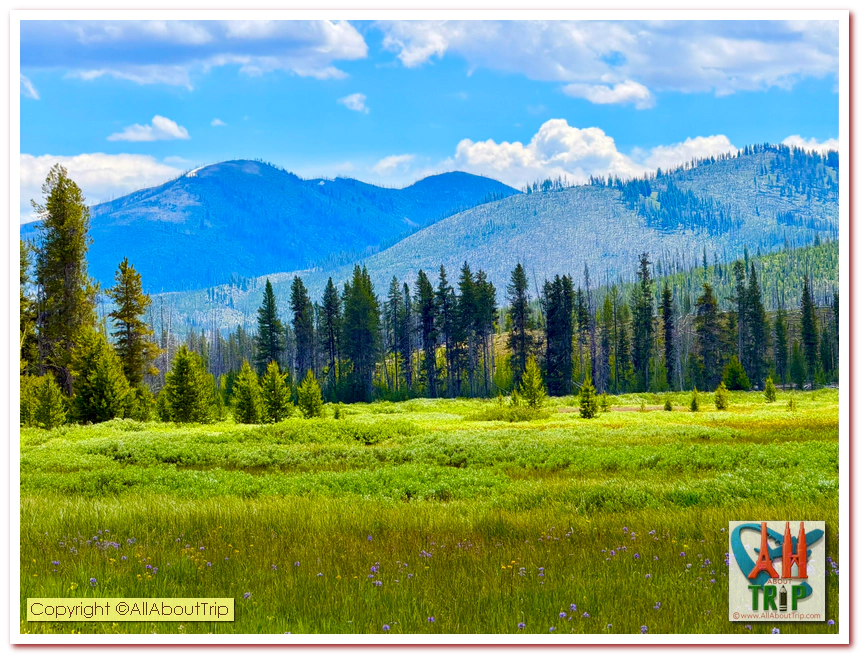
Boise National Forest is made for wandering. Miles of unpaved roads wind through pine covered slopes, river valleys, quiet campsites, hiking trails, and tucked away hot springs where the drive slows down, the air feels cleaner, and the mountains take over the conversation.
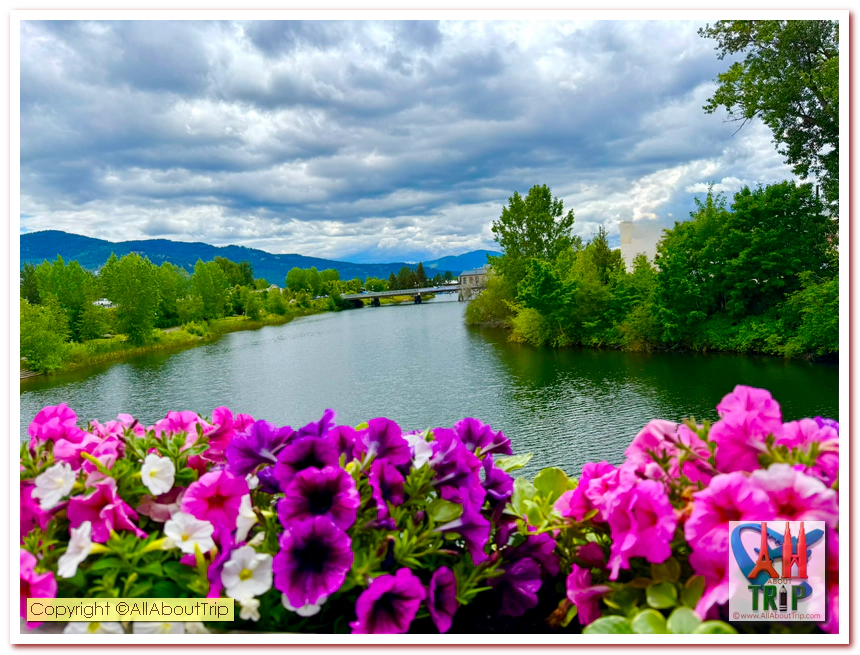
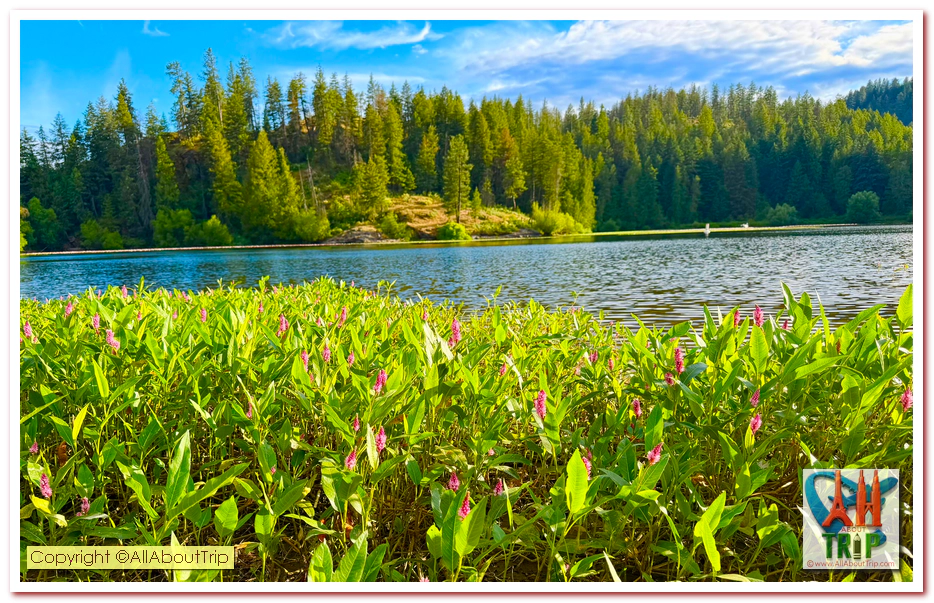
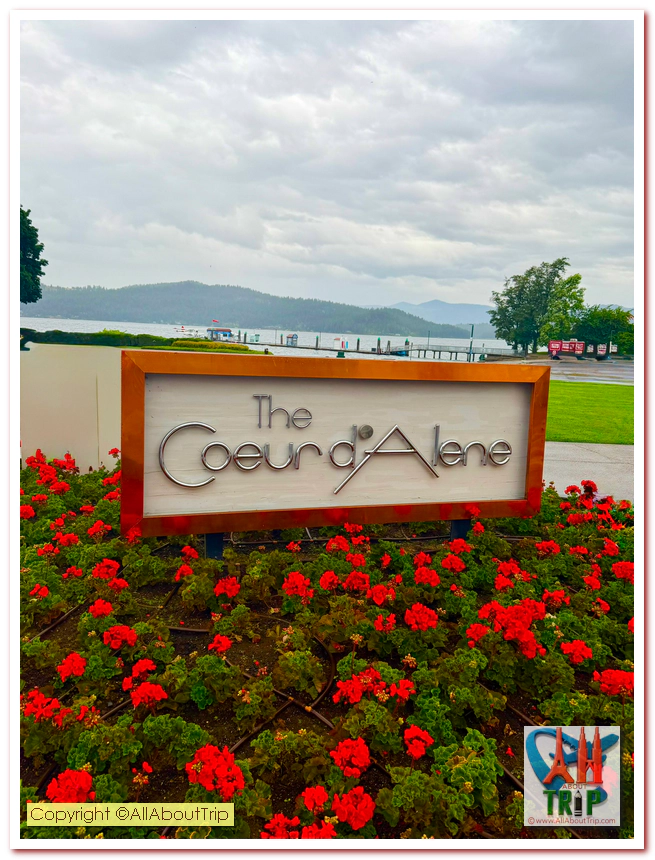
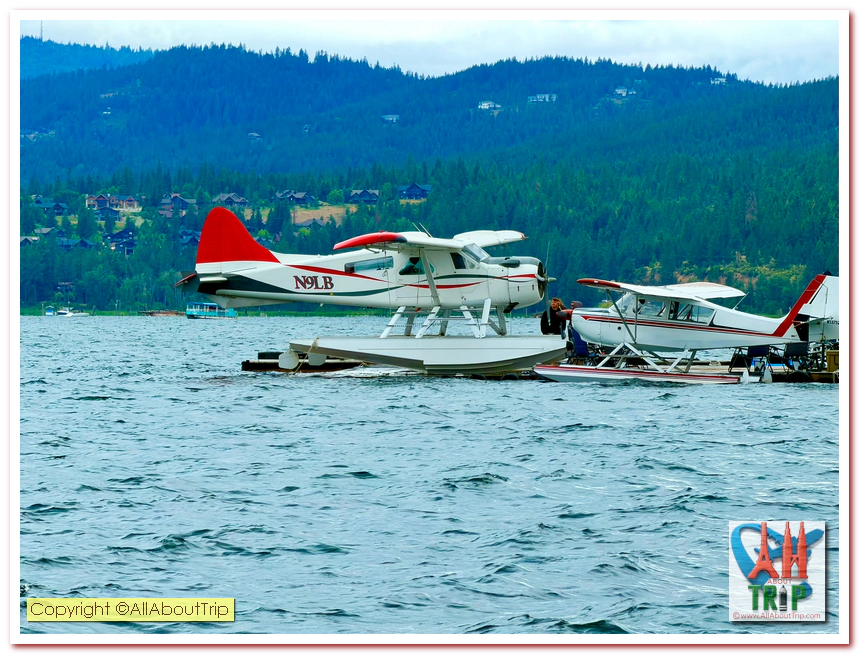
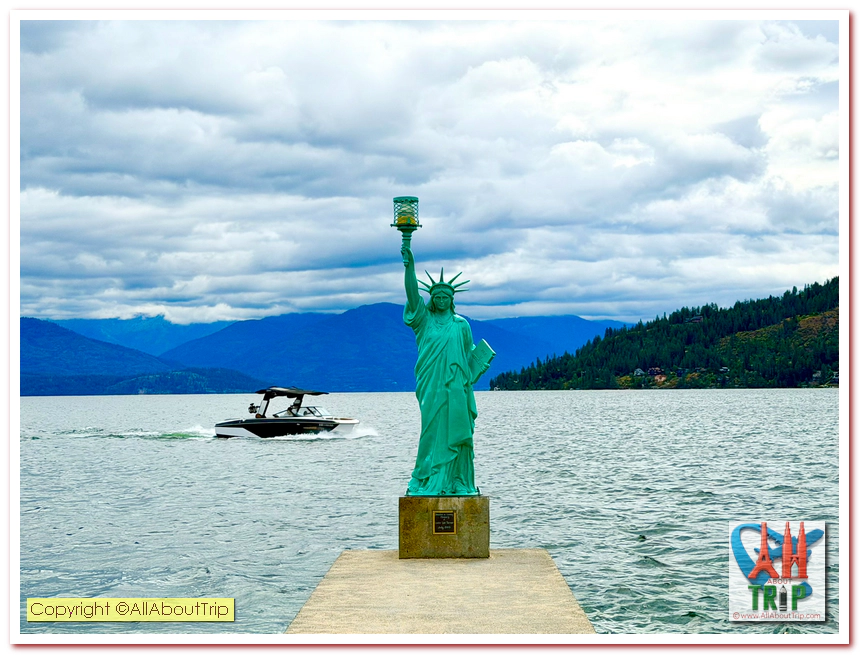
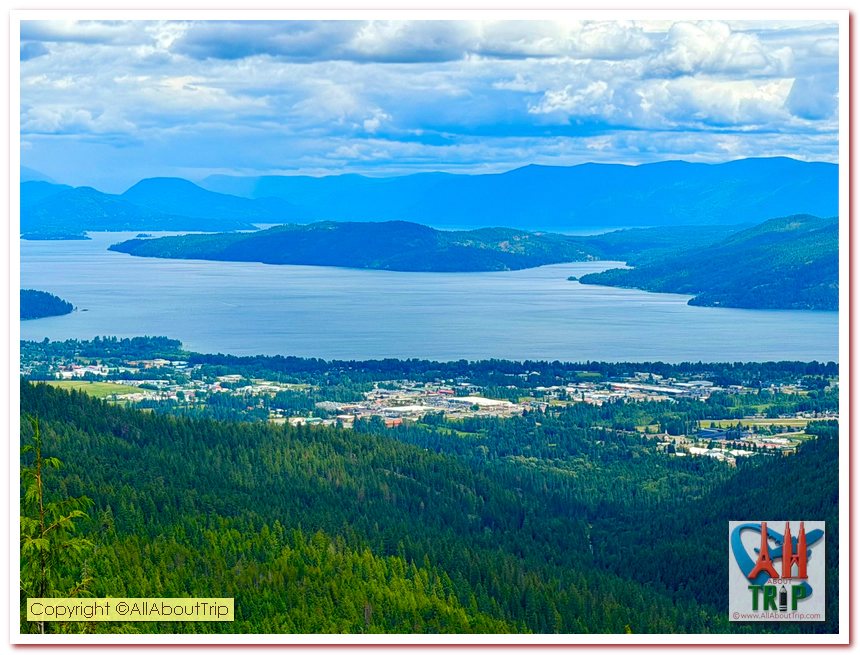
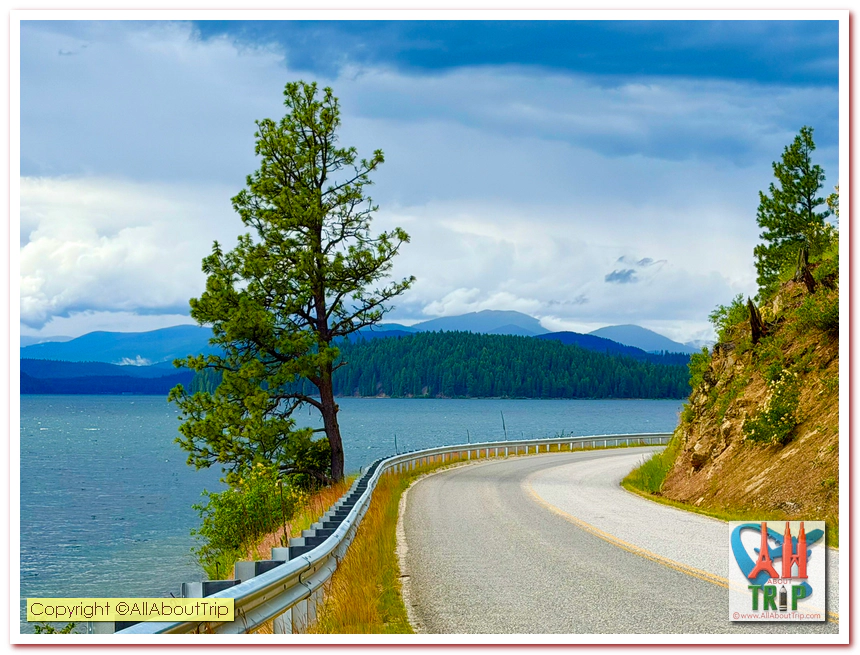
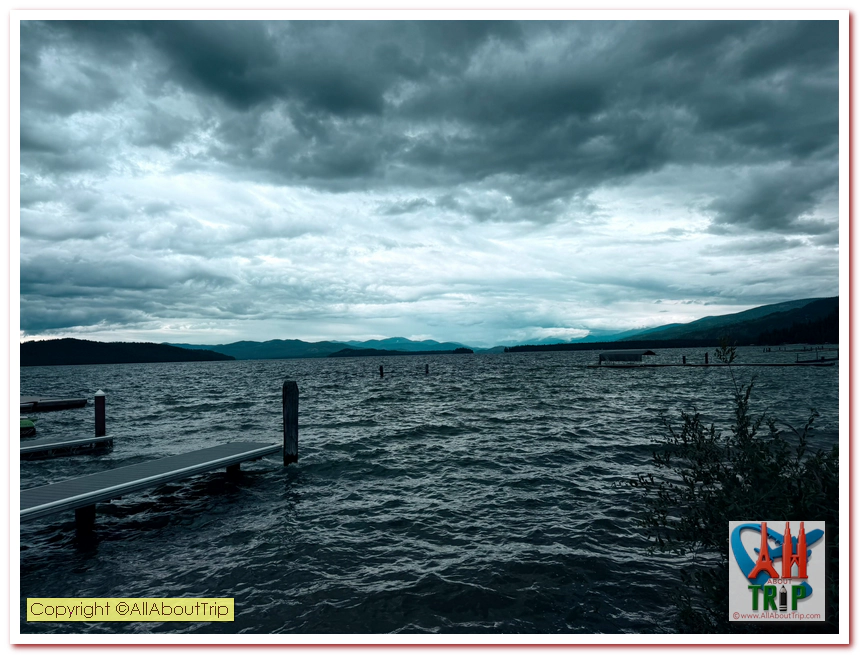
Northern Idaho brings a different personality. Coeur d’Alene is lively, scenic, and built around one of the most beautiful lakes in the region. The lakefront, downtown streets, boats, resorts, and mountain backdrops give it energy without taking away its natural appeal. Sandpoint, farther north, is smaller and more relaxed, with Lake Pend Oreille adding a deep blue, almost alpine character to the town.
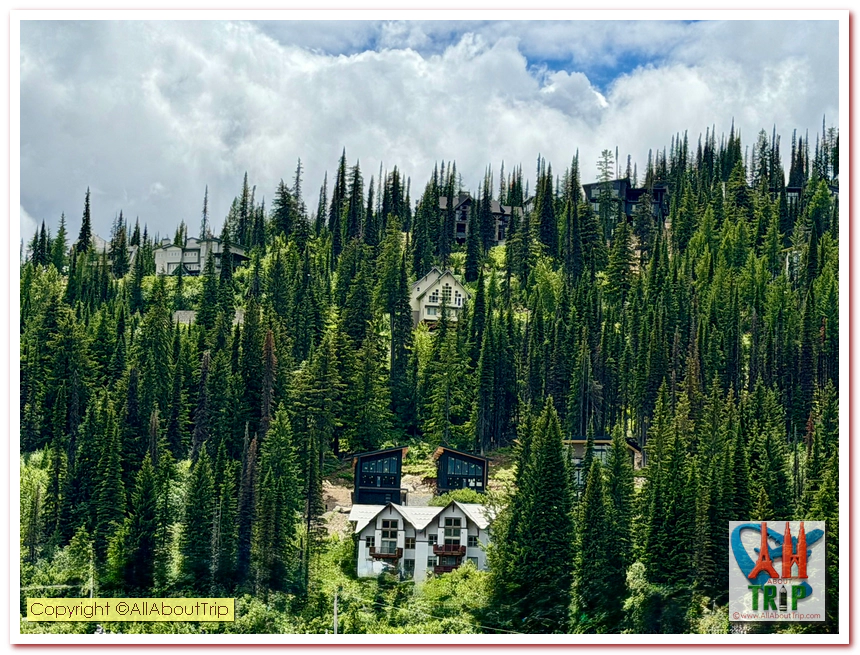
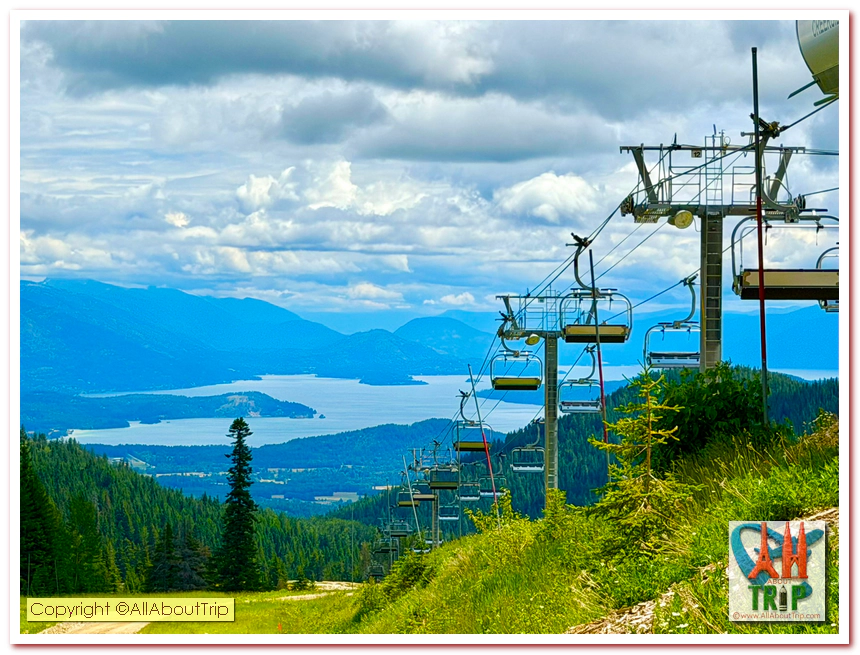
Above Sandpoint, Schweitzer Mountain offers sweeping views, winter skiing, summer hiking, mountain biking, and a perspective over Lake Pend Oreille that is difficult to forget. It is one of those places where up the road is part of the experience. The higher you go, the more Idaho opens below you.
Priest Lake and Spirit Lake continue the northern Idaho theme of clear water, dense forests, and peaceful seclusion. These are not places for rushing through an itinerary. They are places to stay longer, wake up early, watch the water, listen to the trees, and remember what quiet actually sounds like.
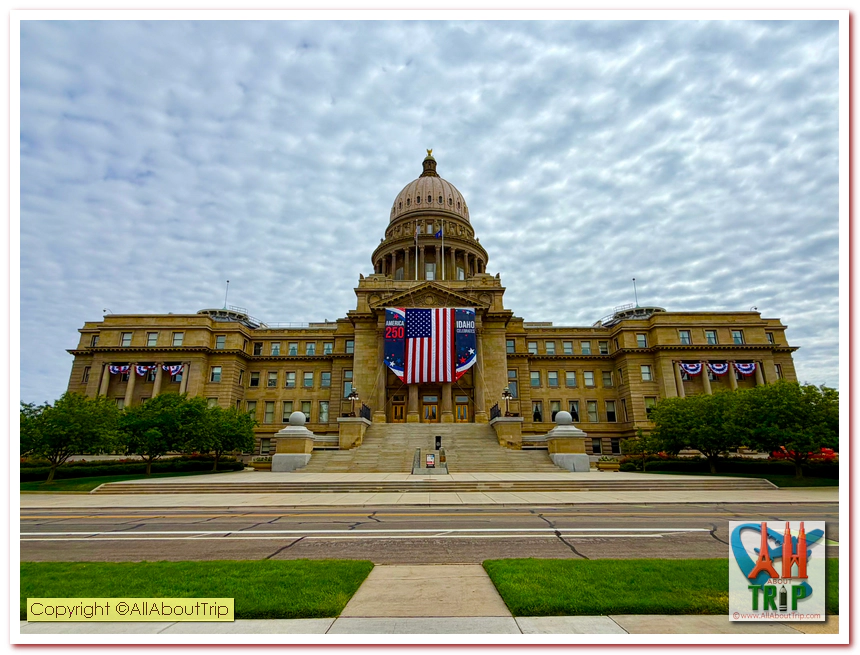
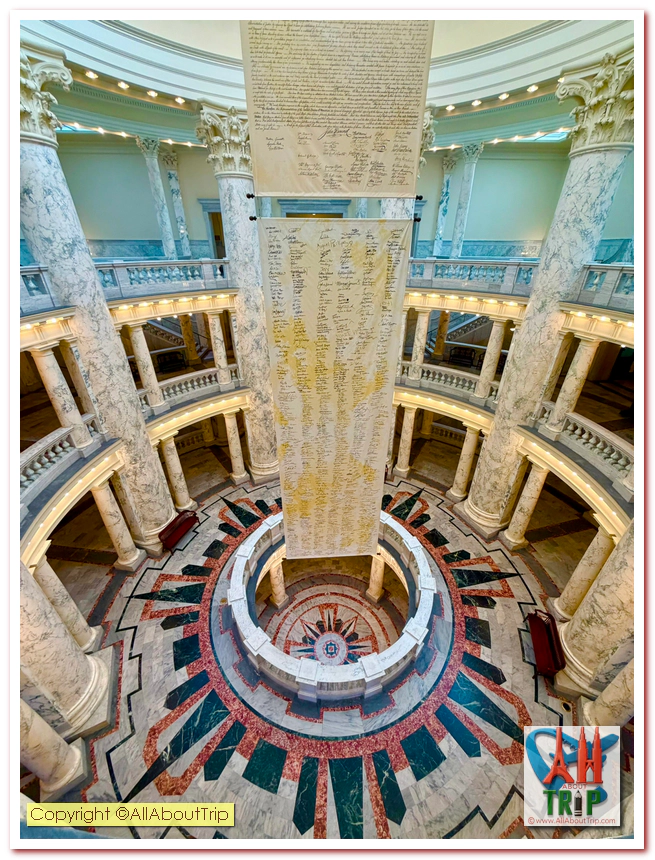
Boise brings the journey back to city life, but without losing Idaho’s outdoor character. The Idaho State Capitol stands at the center of downtown, elegant and surprisingly approachable. Around it, Boise offers tree-lined streets, local restaurants, the Boise River, nearby foothills, and a sense that city life and nature do not need to compete. They simply exist side by side.
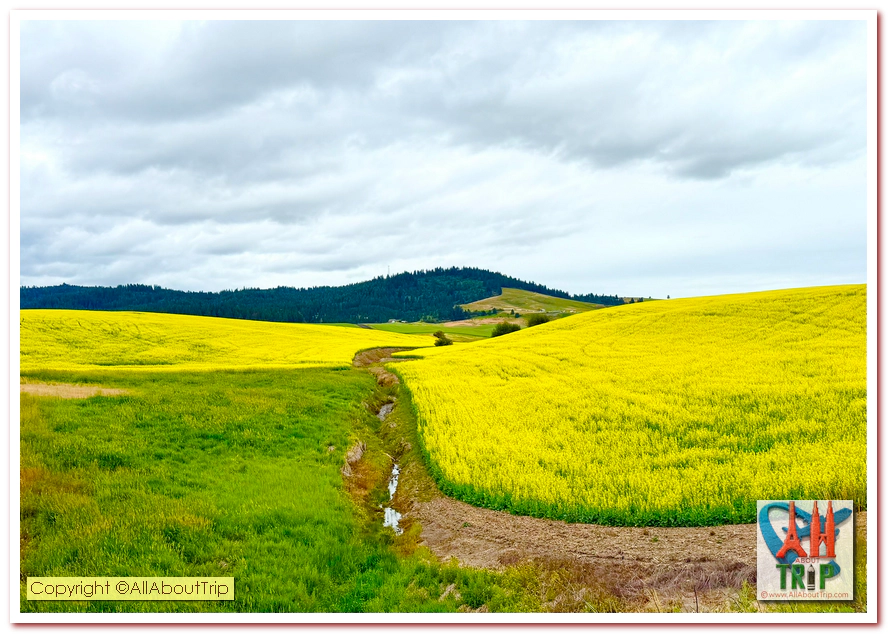
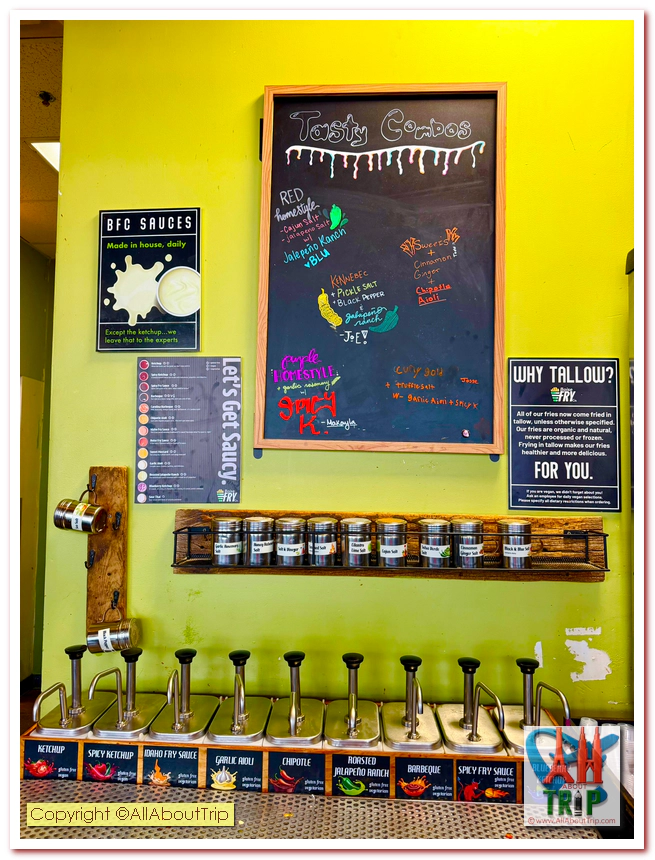
And then there are Idaho potatoes. They are not just a food stereotype; they are part of the state’s agricultural identity and a reminder that Idaho’s landscape is productive as well as beautiful. After days of mountains, lakes, canyons, waterfalls, winding roads, and quiet skies, a simple Idaho potato somehow feels entirely appropriate.
Idaho is not a place that can be understood from one destination. It is a collection of landscapes that keep changing canyon country in the south, volcanic fields in the center, alpine peaks around Stanley, lake towns in the north, and a capital city that still feels connected to the outdoors. The best way to experience it is not to rush from landmark to landmark, but to leave room for the unexpected pull off, the road disappearing into clouds, the cows beside a quiet river, the lake reflecting the mountains, and the night sky that makes you look up long after the day is over.
The Craft Behind the Imagery
Documenting these massive vistas demands meticulous physical precision and deliberate technical execution rather than automated shortcuts. Achieving sharp, high-fidelity compositions in unpredictable environments requires steady hands and creative, out-of-the-box structural framing to isolate unique perspectives.
Whether utilizing high-end, current-generation smartphones with enhanced sensor arrays or traditional professional DSLR and mirrorless camera systems, high-quality stabilization is non-negotiable. Photographers should employ premium carbon fiber tripods, which offer lightweight transport properties without sacrificing structural rigidity. When shooting near high-velocity water columns like Iguazu or exposed coastal lookouts prone to high winds, it is essential to hang a stabilizing counterweight from the tripod's center column to prevent micro-vibrations from degrading edge-to-edge sharpness.
Editorial Integrity & Digital Authenticity
Every image presented on this platform represents extensive manual labor, complex field charting, and precise spatial mapping. True landscape documentation relies on a human-driven complex algorithm of patience, environmental tracking, and geographical calculation that modern automated software simply cannot replicate.
We firmly reject the use of generative AI technologies in our photographic workflows. Artificially generating or modifying details completely ruins the empirical reality of the image, introducing structural fabrications that render the documentation useless for authentic travel planning. Furthermore, generative AI tools rely heavily on scraped datasets from over-saturated online sources, frequently perpetuating visual biases, flattening unique regional characteristics, and introducing serious structural errors or inaccuracies that distort the true nature of these global landmarks.