Brazil - Brasil -
where the city dances, the waterfalls roar, and the jungle breathes.Loud, Lush, Legendary
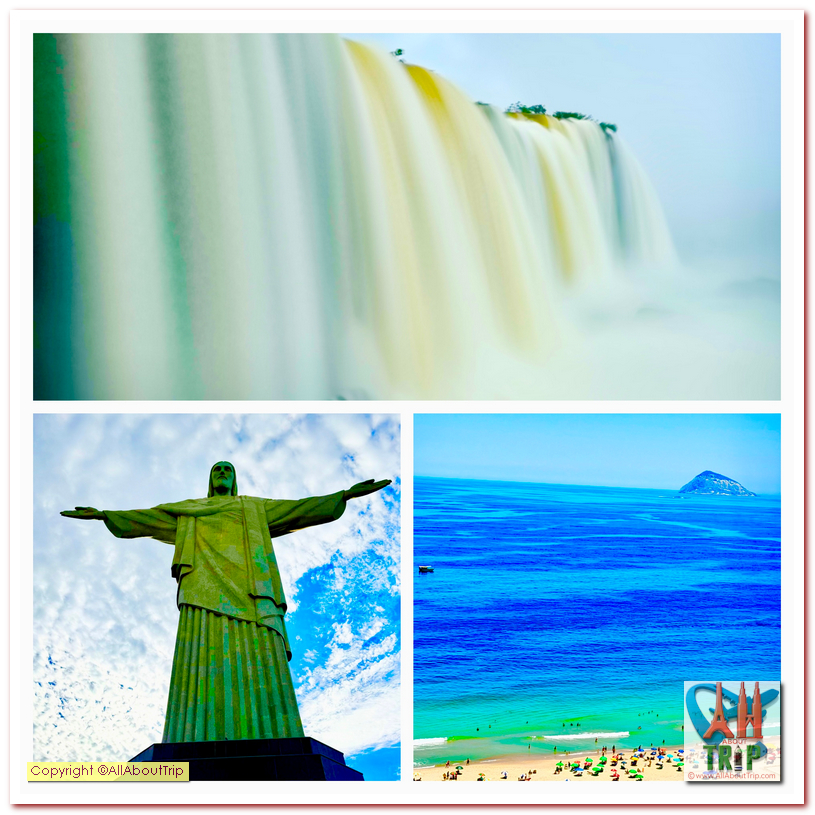
Brazil is that friend who shows up to the party wearing sunglasses indoors, dancing like nobody is watching, and somehow still has a perfectly planned itinerary. It is loud and dramatic, but in a good way, and it has two places that feel like they were designed by a cinematic director with a very generous special effects budget: Rio de Janeiro and Iguazu Falls on the Brazilian side.
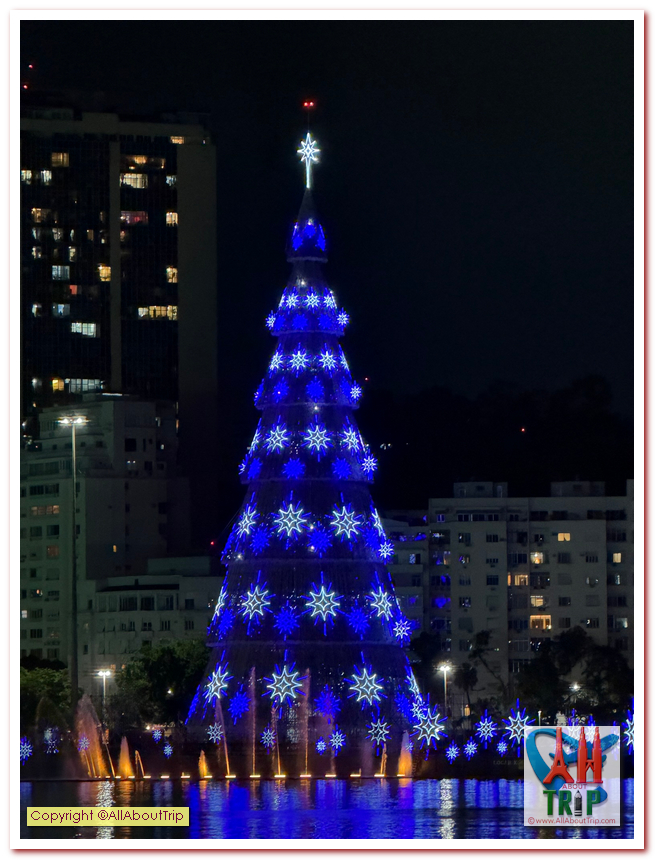
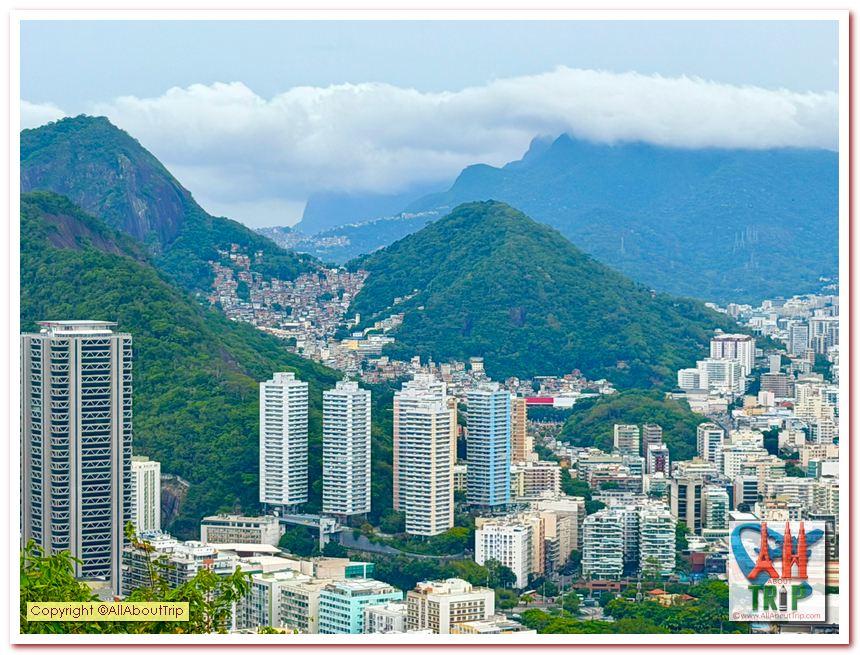
You land in Rio and within minutes the city is doing the most. Mountains explode out of the ground like they are trying to photobomb the skyline. The ocean sits there looking innocent while the waves quietly remind you that yes, you are now on beach time. And then, just to keep things humble, Rio places a giant statue of Christ on a mountain as if to say, welcome, relax, also please remember you are very small.
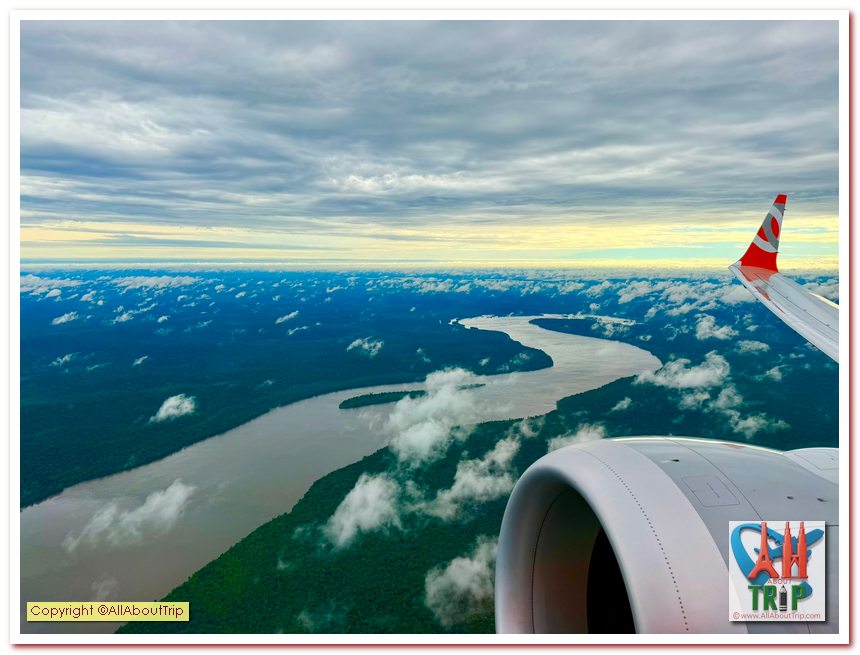
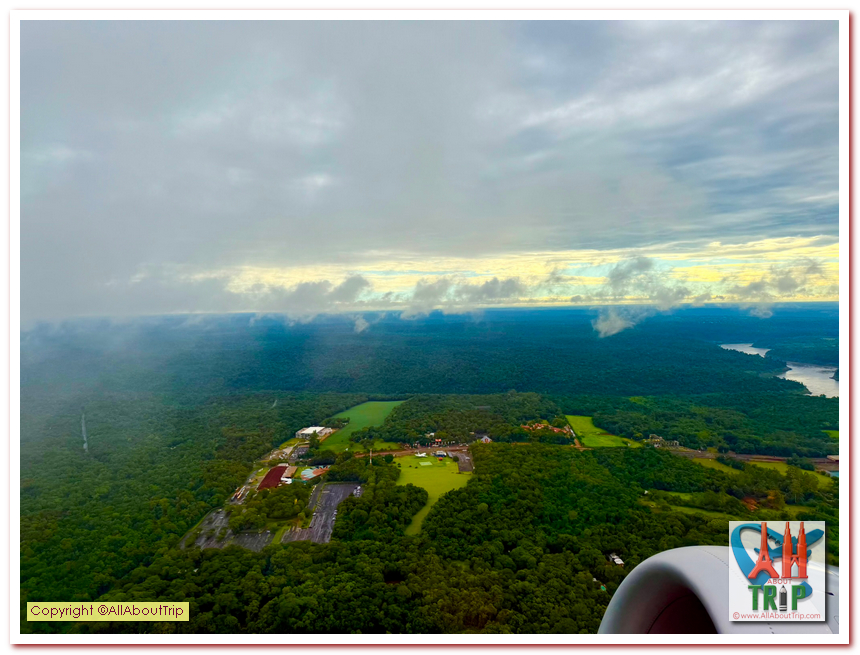
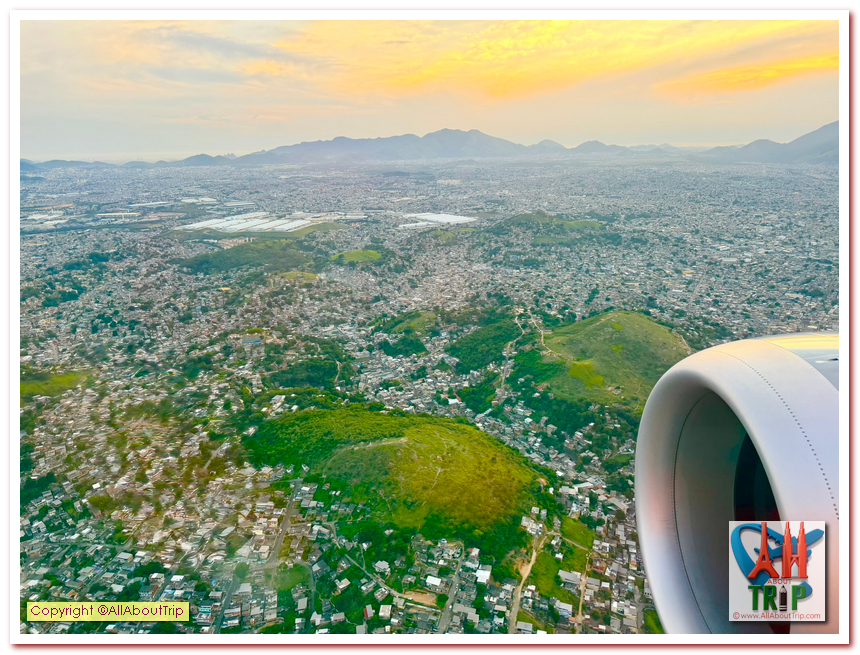
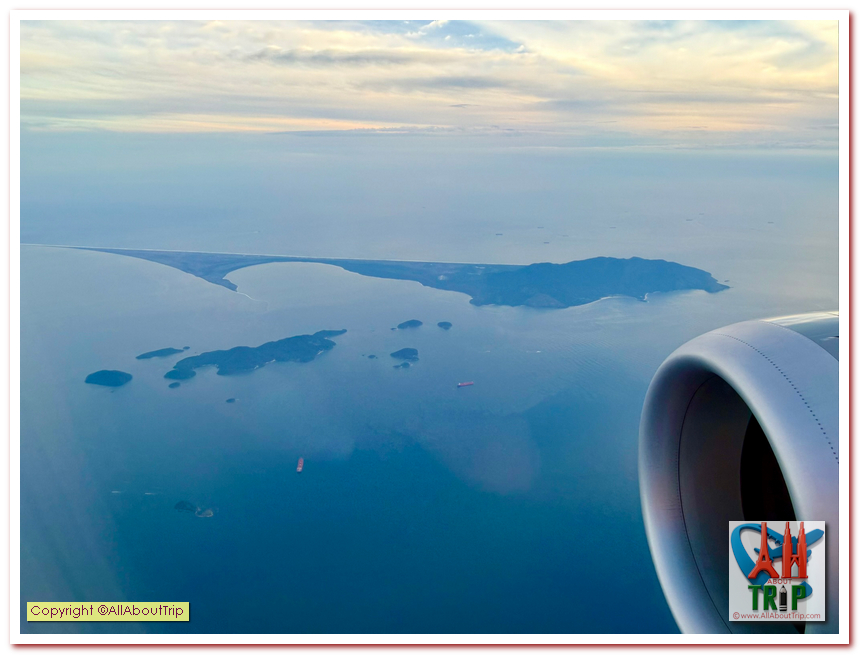
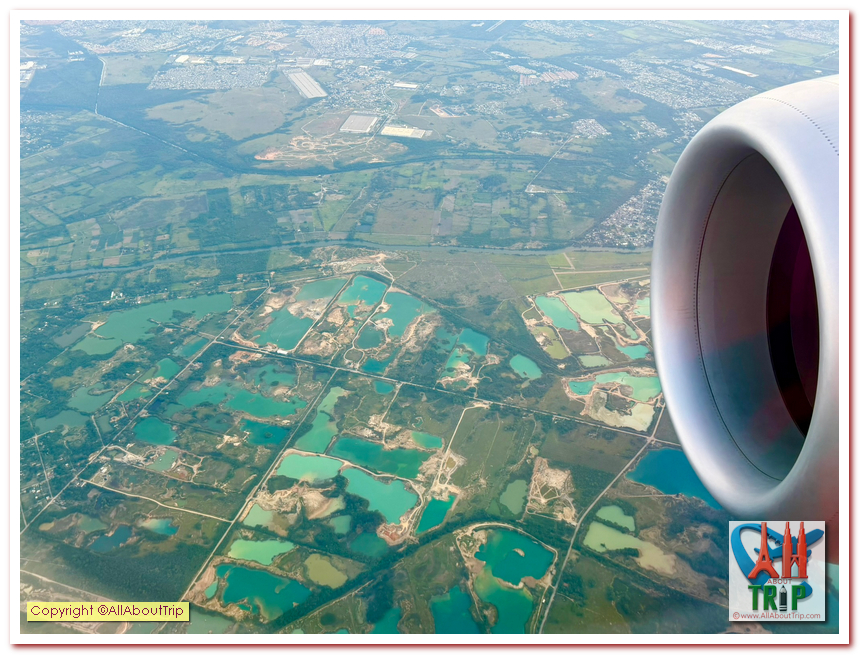
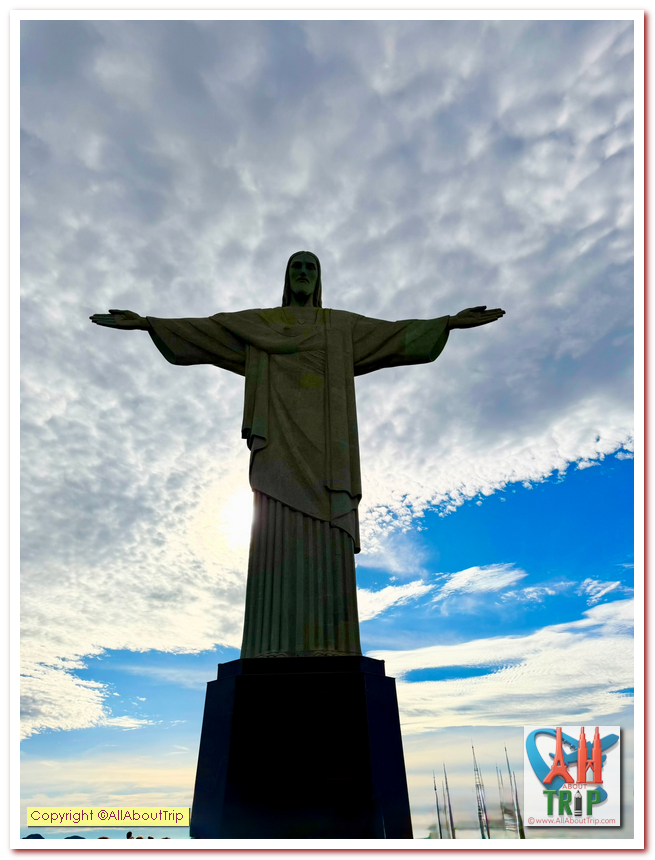
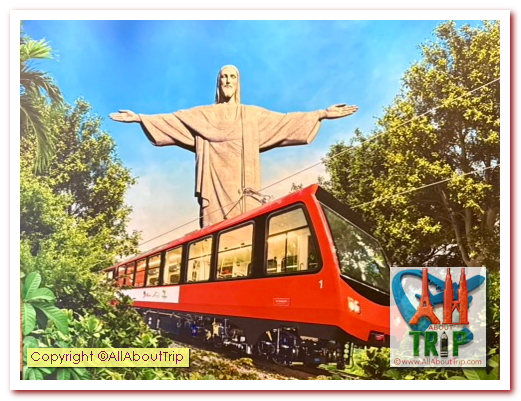
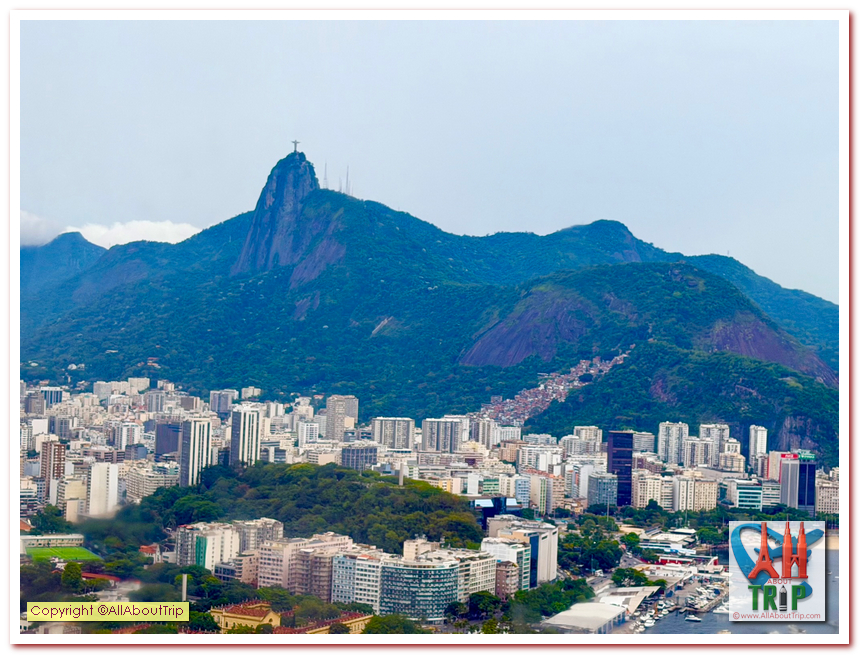
Start with the classics because they are classics for a reason. Christ the Redeemer is one of those sights where you think, I have seen this in a million photos, and then you see it for real and your brain goes, oh, so the photos were lying by under reacting. It is not just the statue either, it is the whole build up.
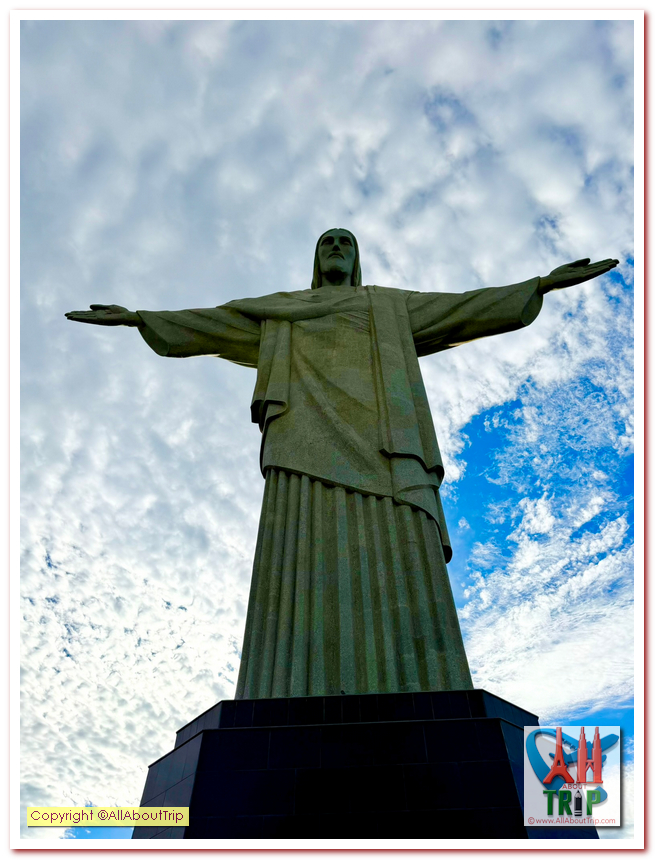
High above Rio, it sits on the summit of Corcovado inside Tijuca National Park, and that setting is what makes it unforgettable. Getting there feels like you are slipping into a pocket of Atlantic Forest first, with green all around and the city noise slowly fading out. Then, suddenly, the world opens up and Rio is spread beneath you like a living postcard. And when you remember it is officially one of the New Seven Wonders of the World, it makes total sense, because this is not just a viewpoint. It is Rio doing its signature move: effortless drama, maximum beauty.
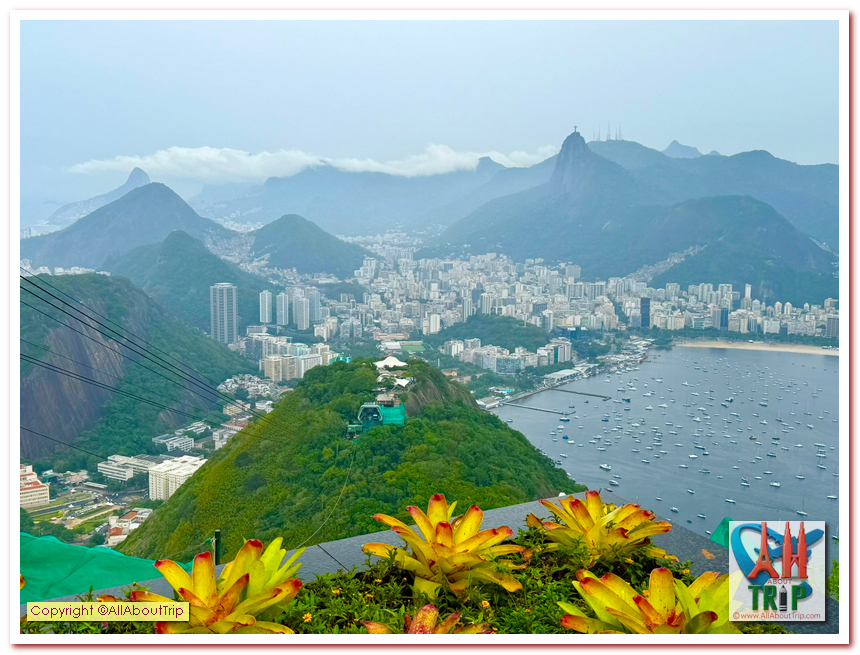
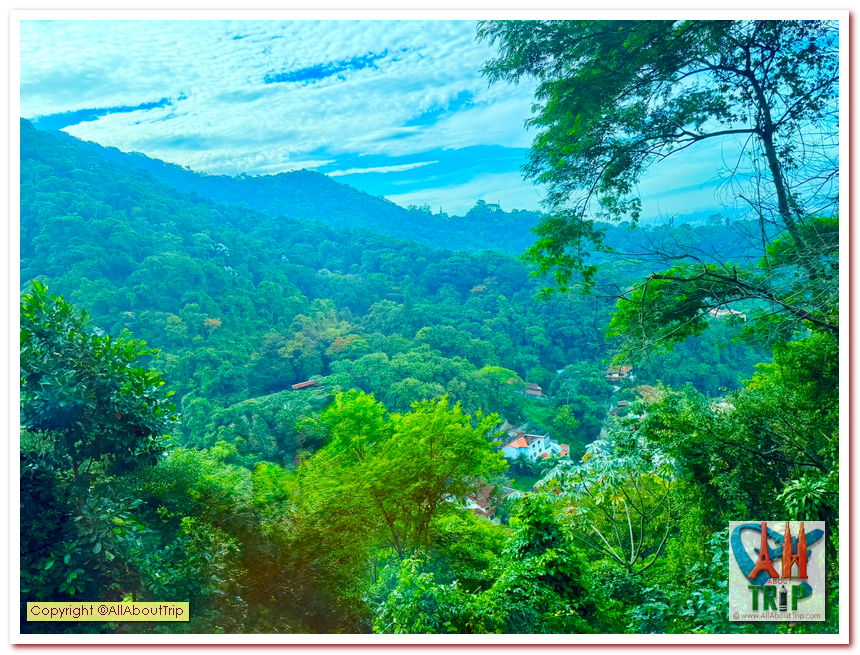
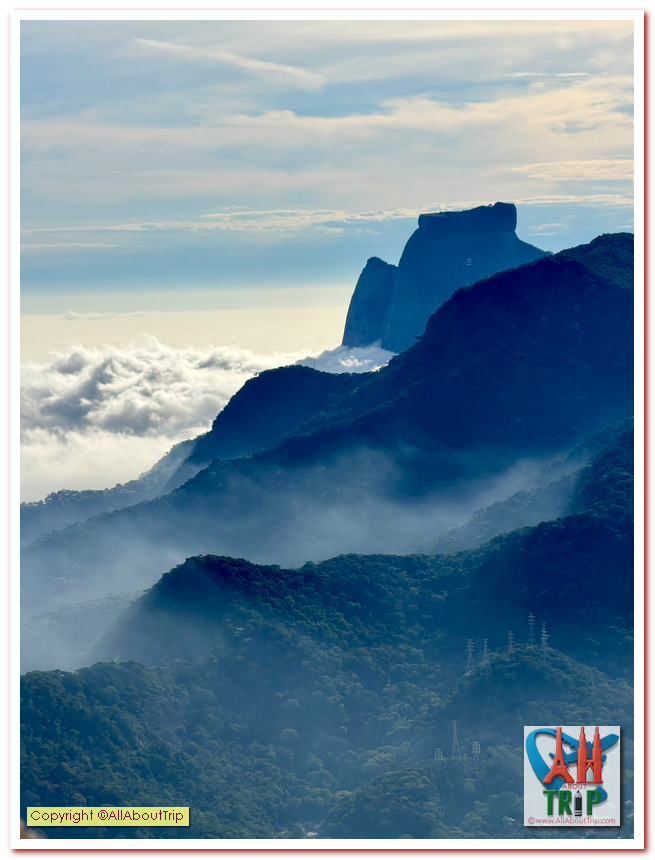
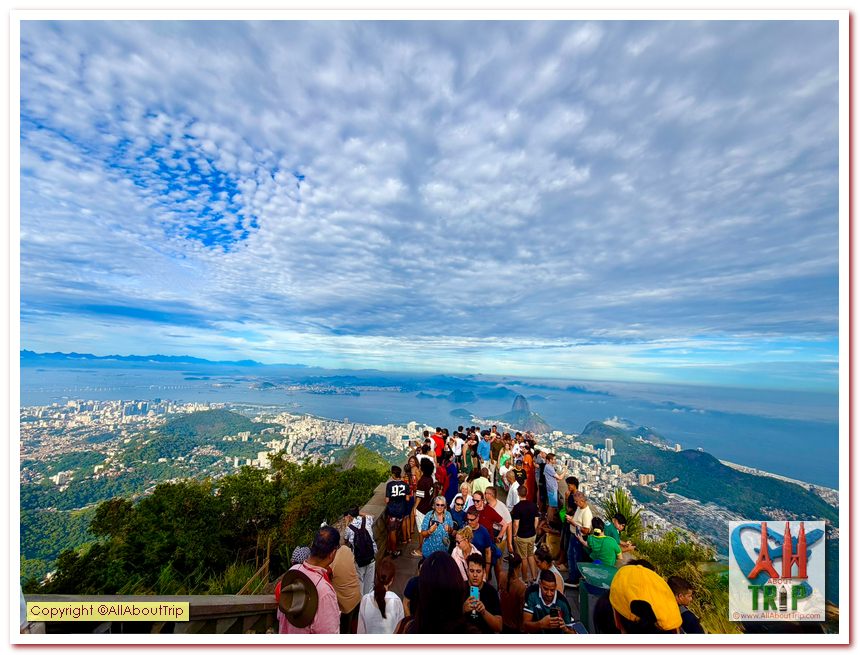
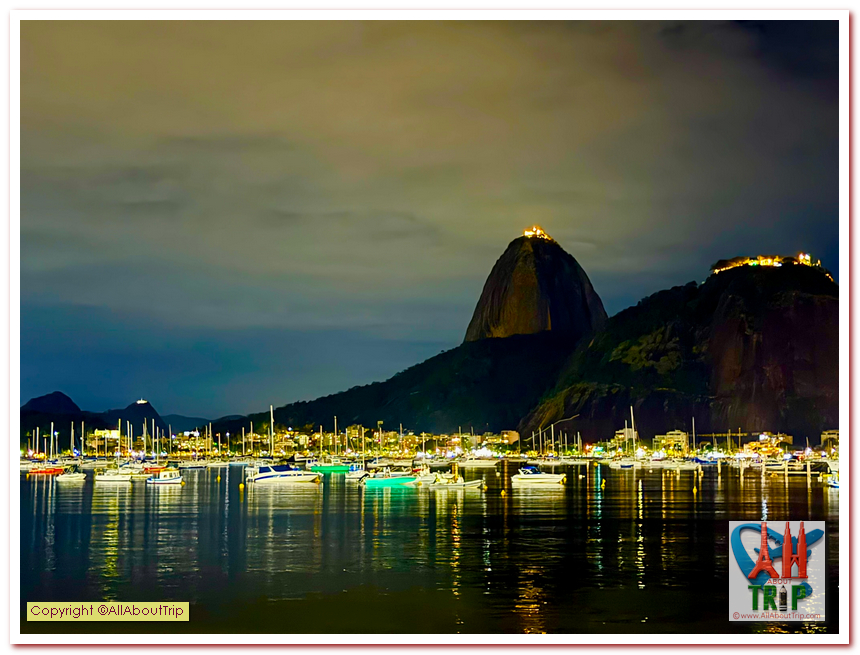
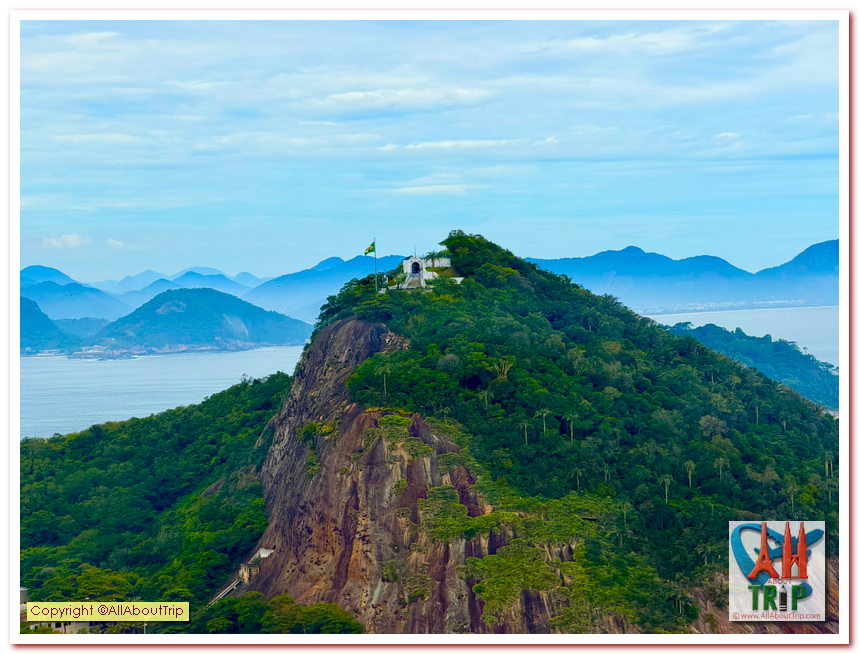
Then comes Sugarloaf Mountain, the other big Rio moment. This is the one that turns normal people into accidental philosophers. You will stand at the top, stare at the bay, the beaches, the peaks, the boats, the whole city shimmering like it is aware of its own beauty, and you will have deep thoughts like, how is this real. Followed immediately by another deep thought like, why did I not charge my phone.
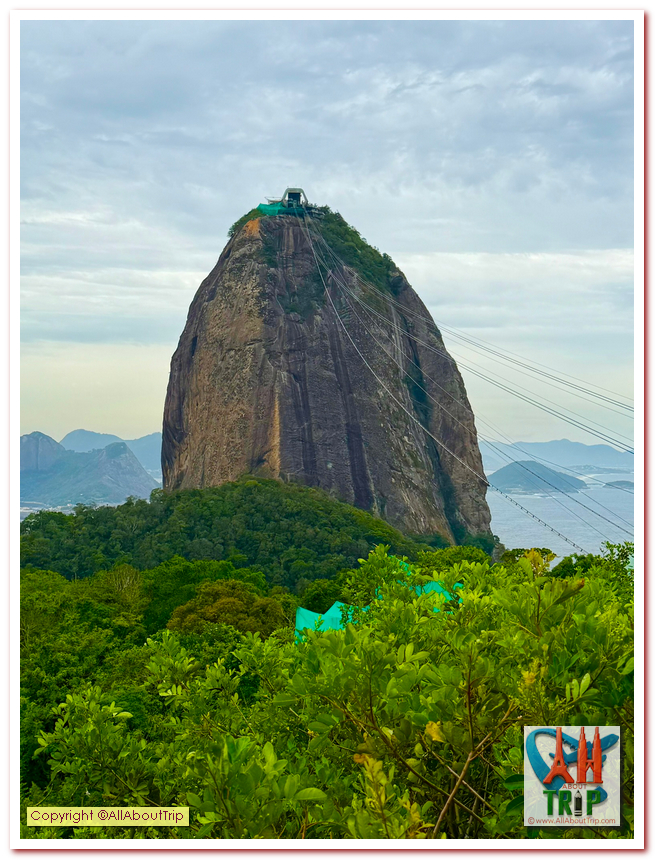
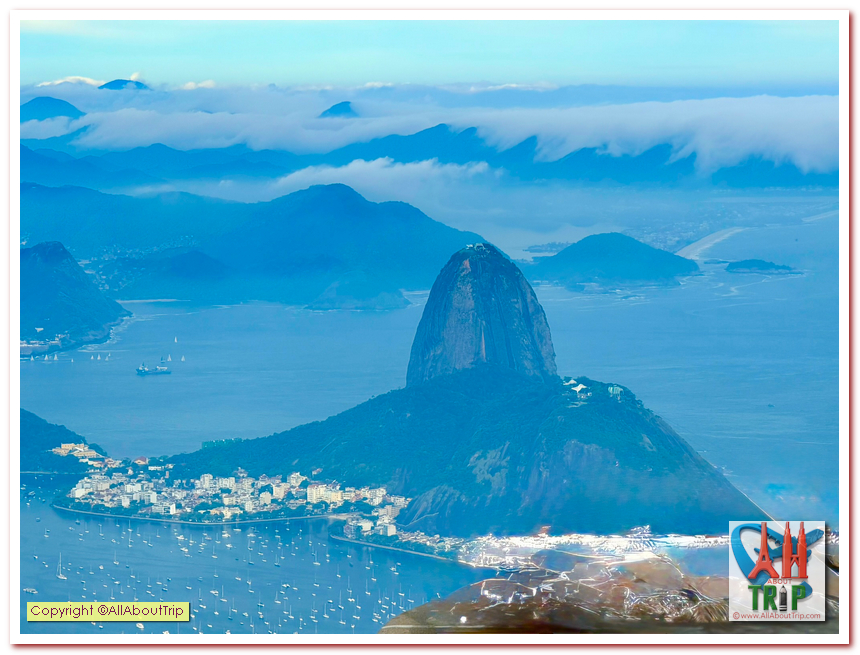
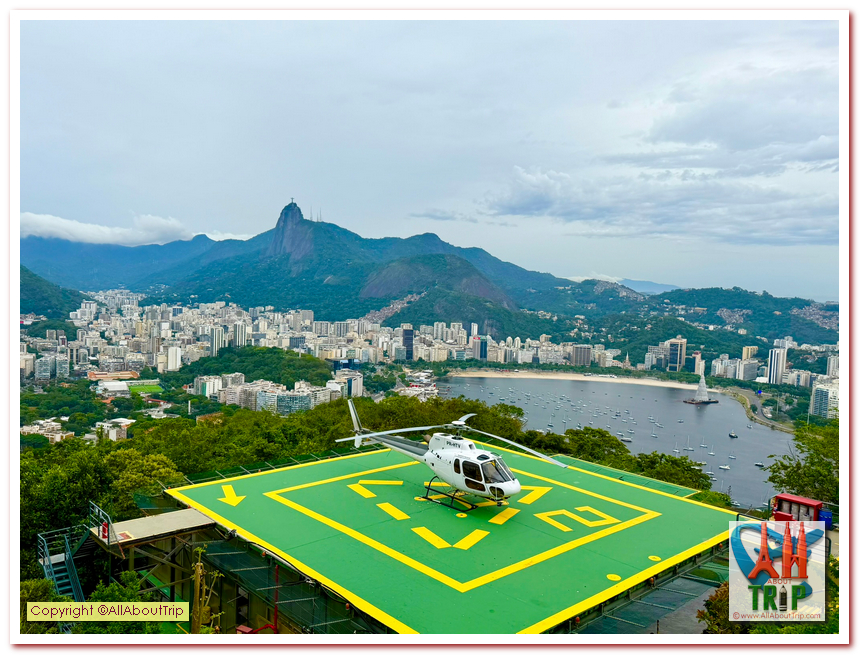

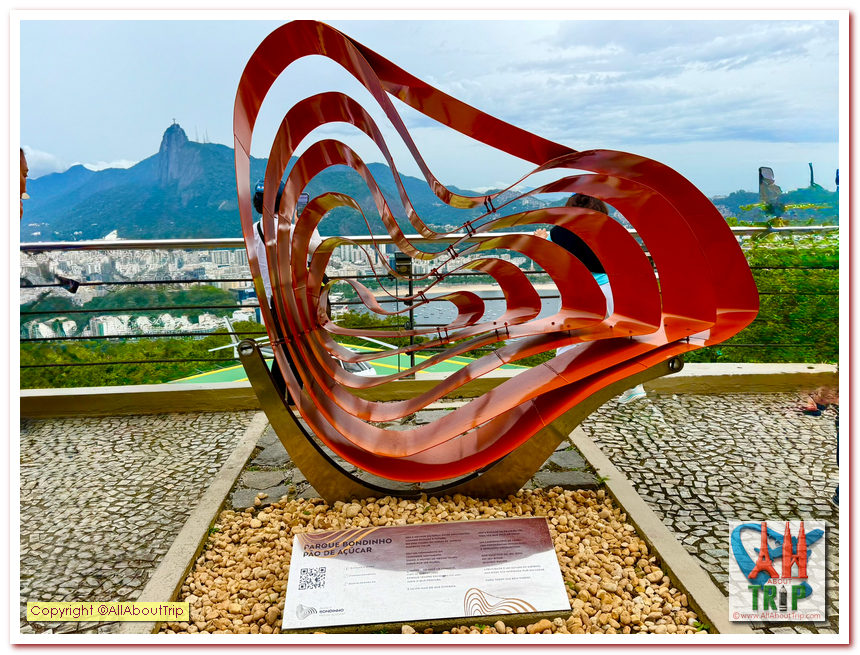
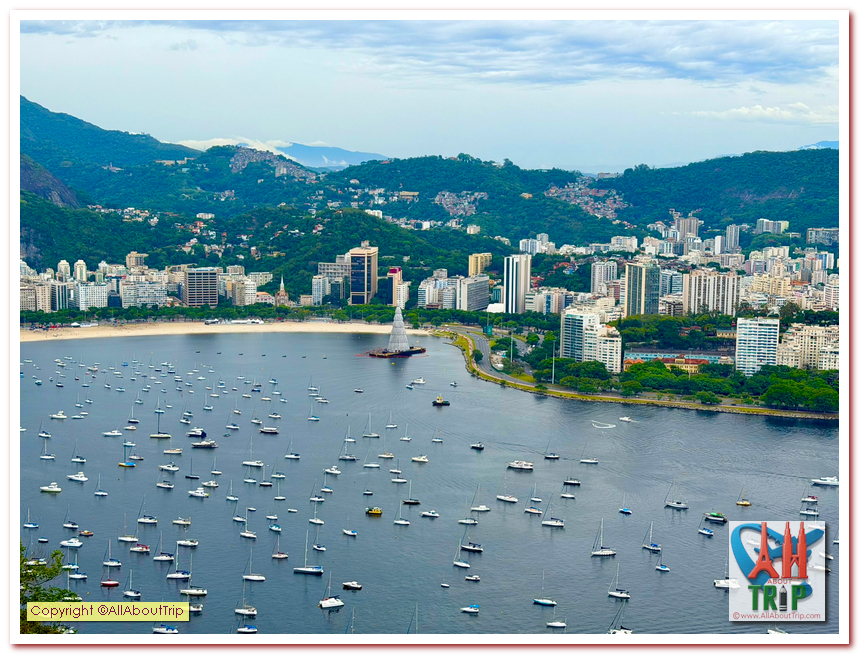
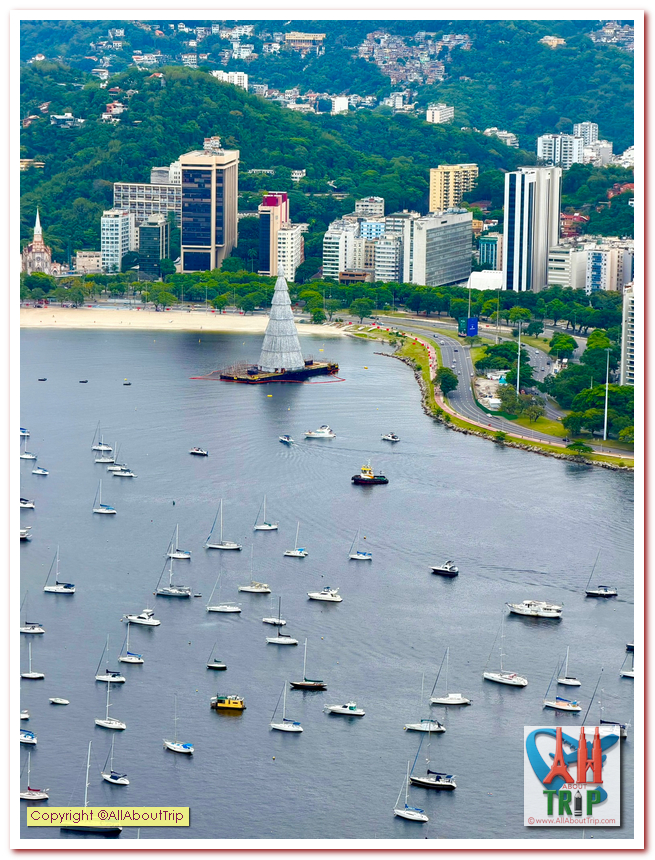
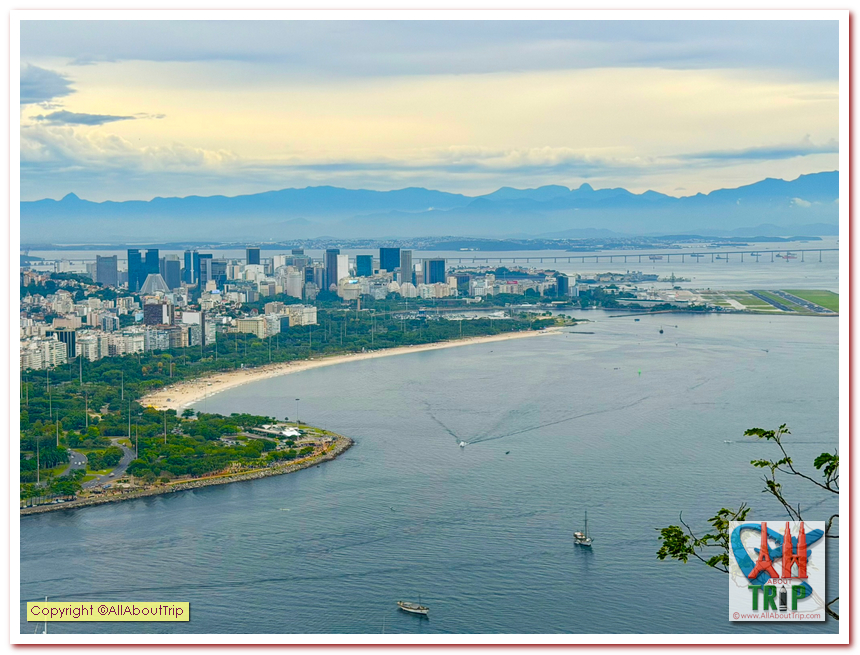
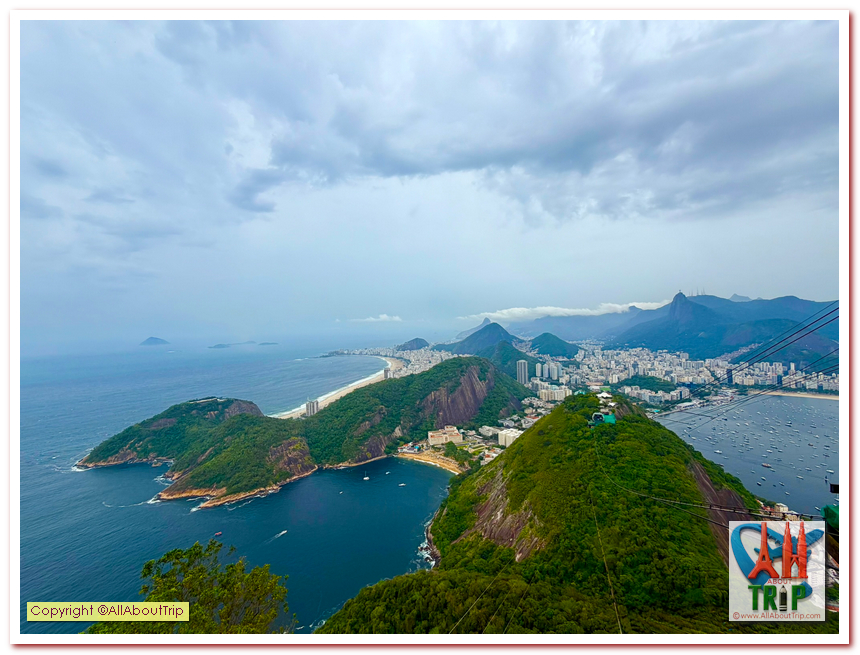
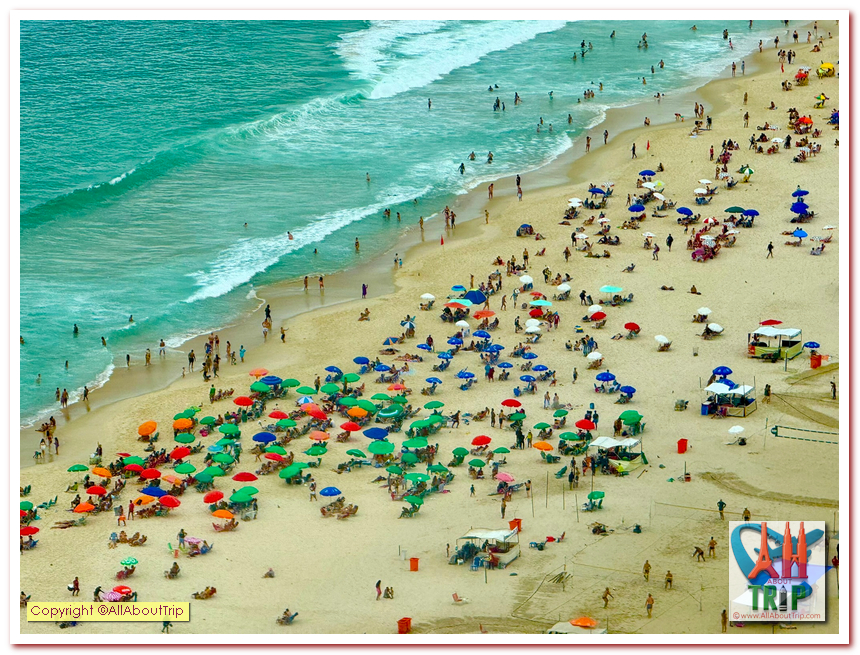
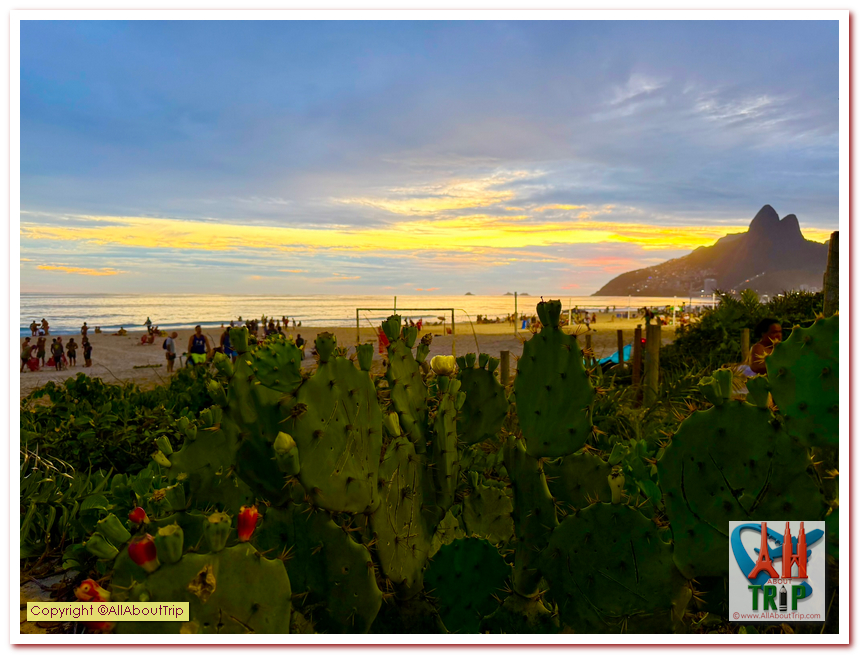
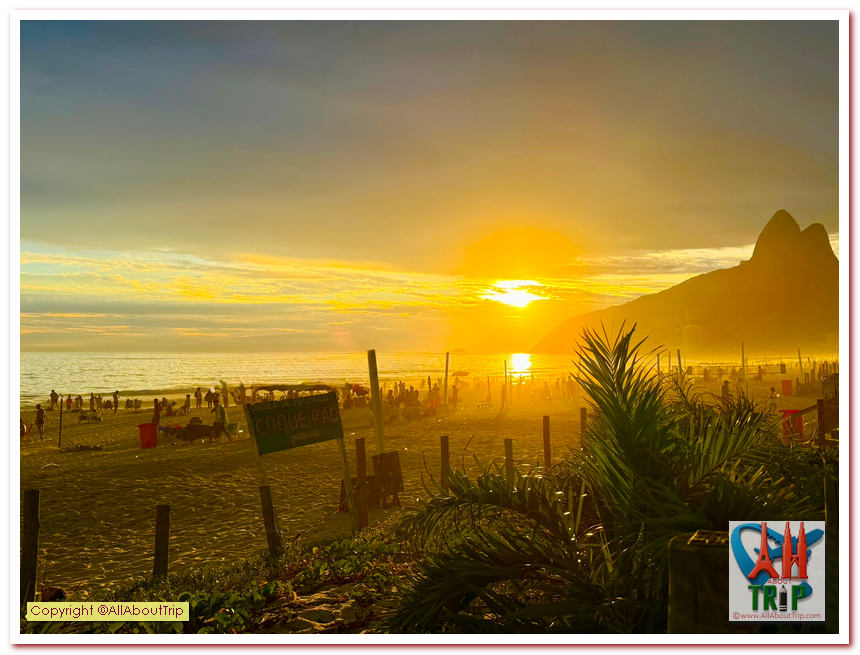
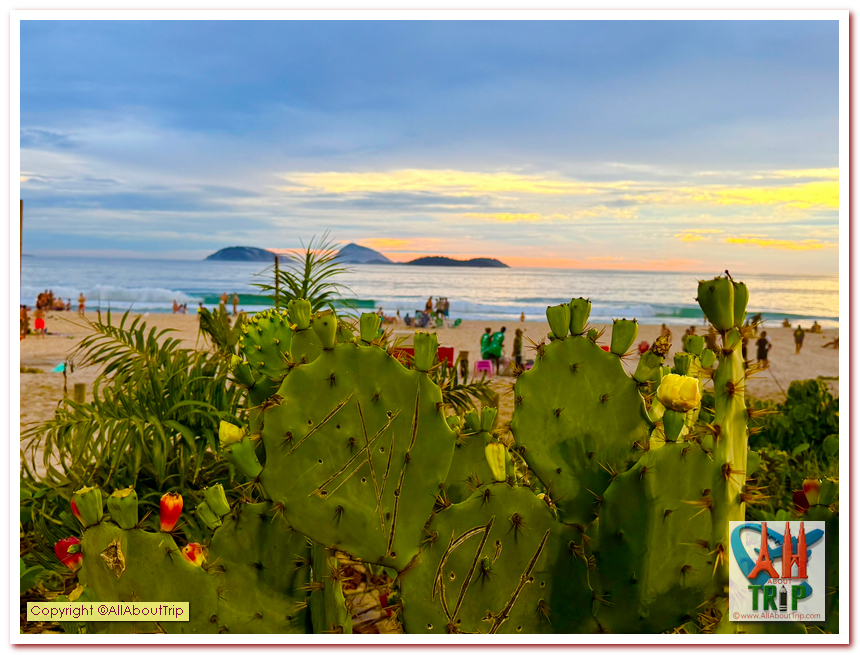
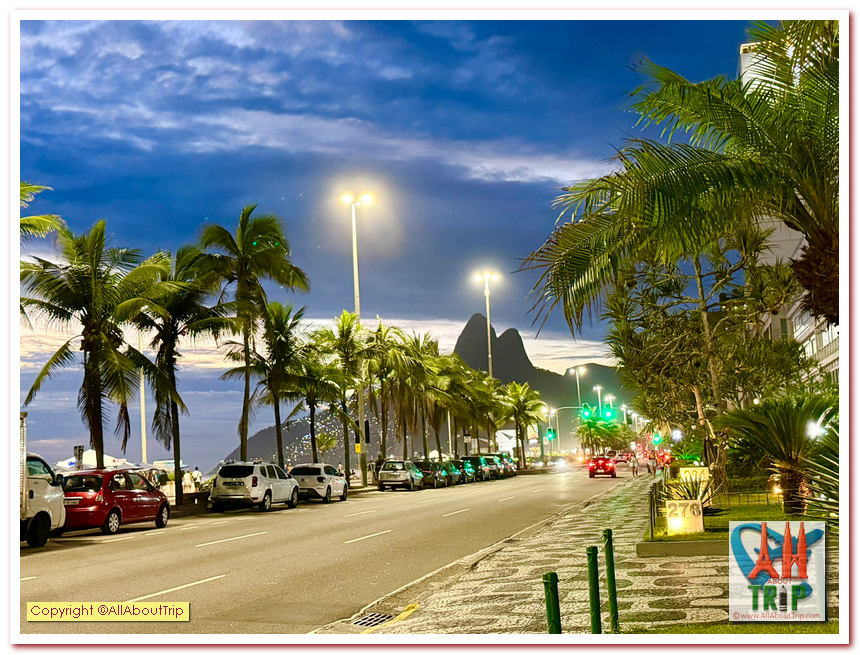
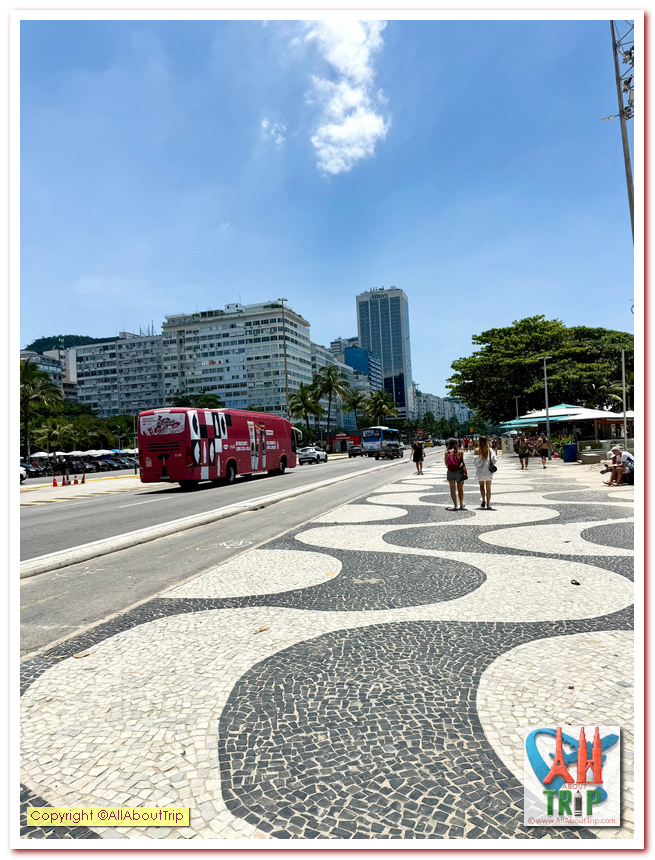
And then there are the beaches, which in Rio are not just beaches. They are outdoor living rooms with sand. Copacabana has the famous curve and the energy of a festival that never got the memo to end.
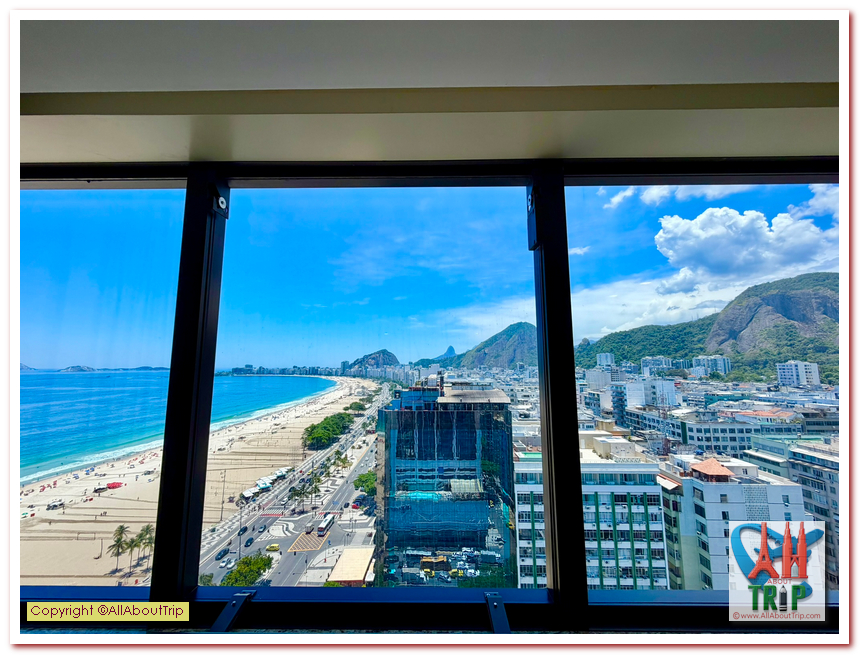
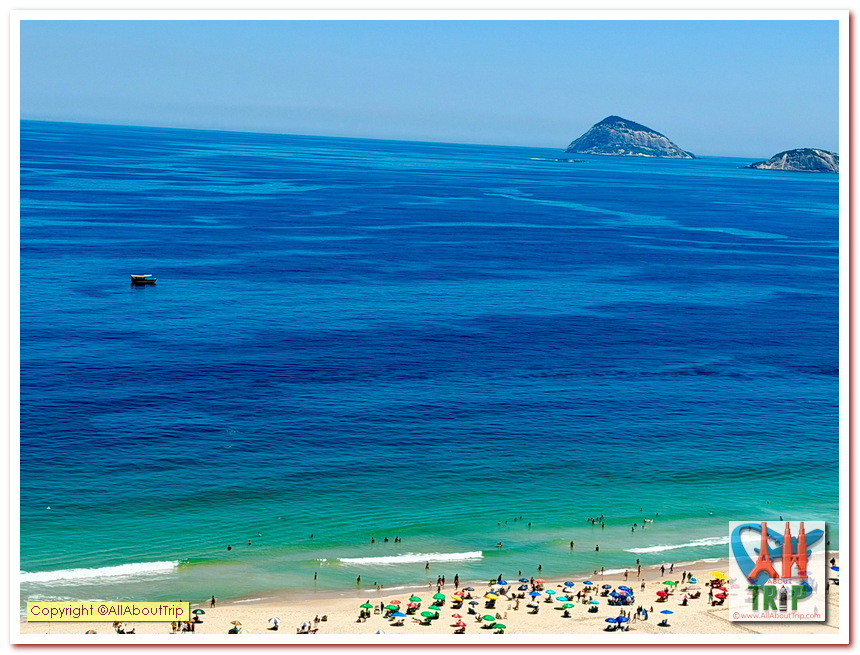
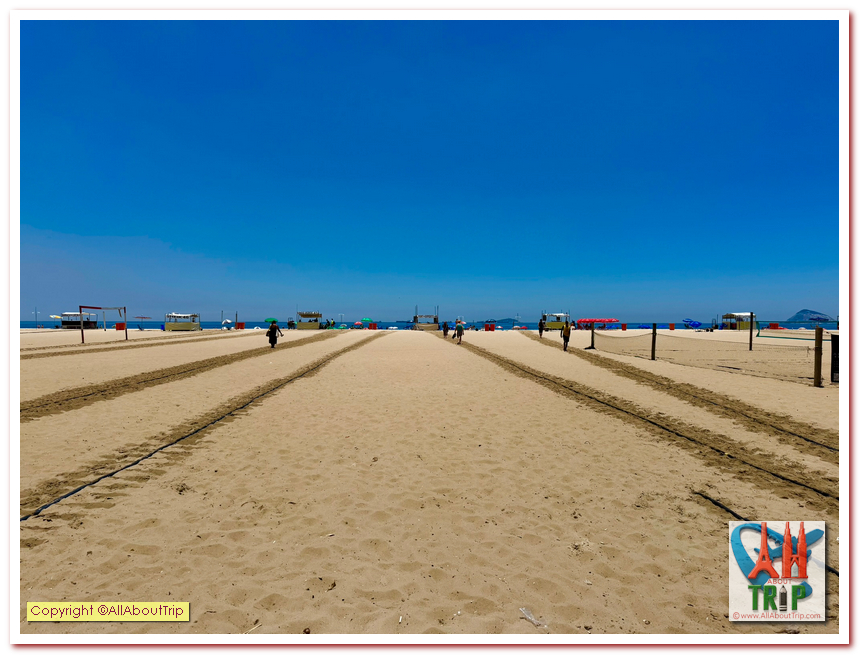
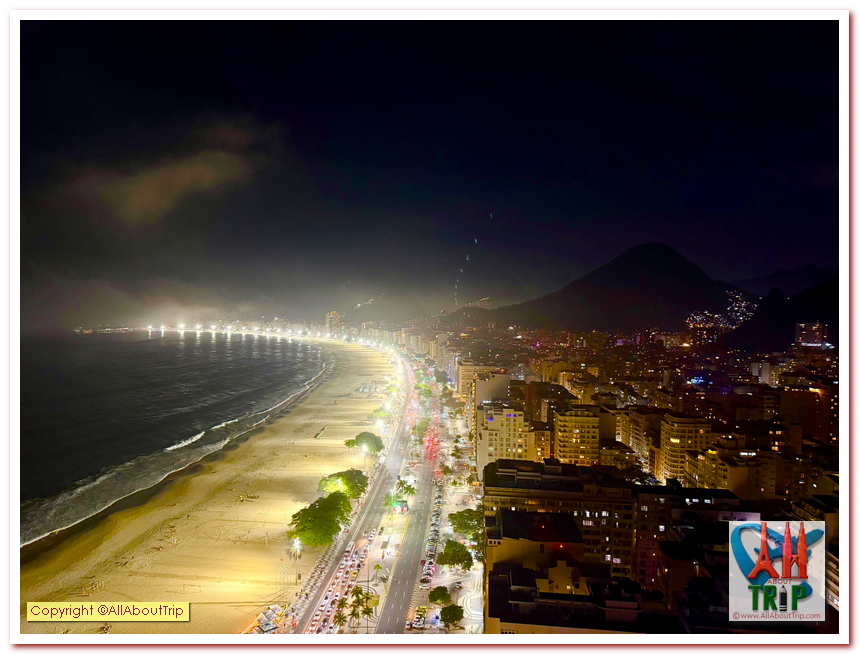
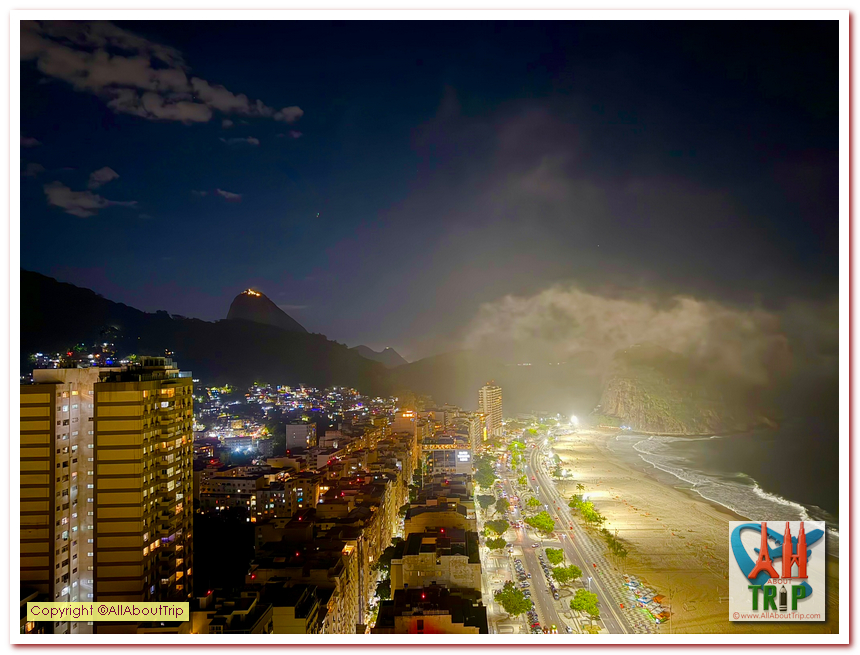
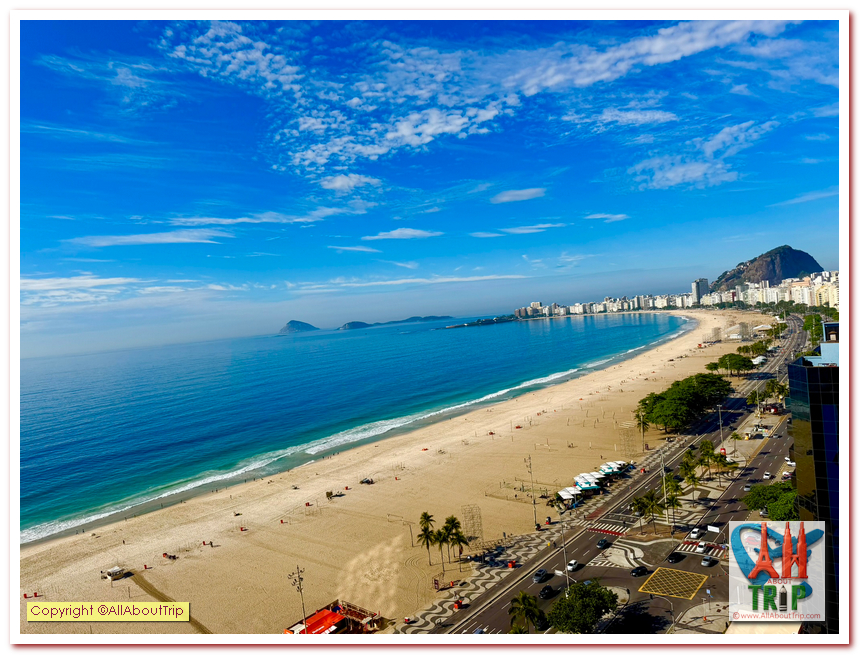
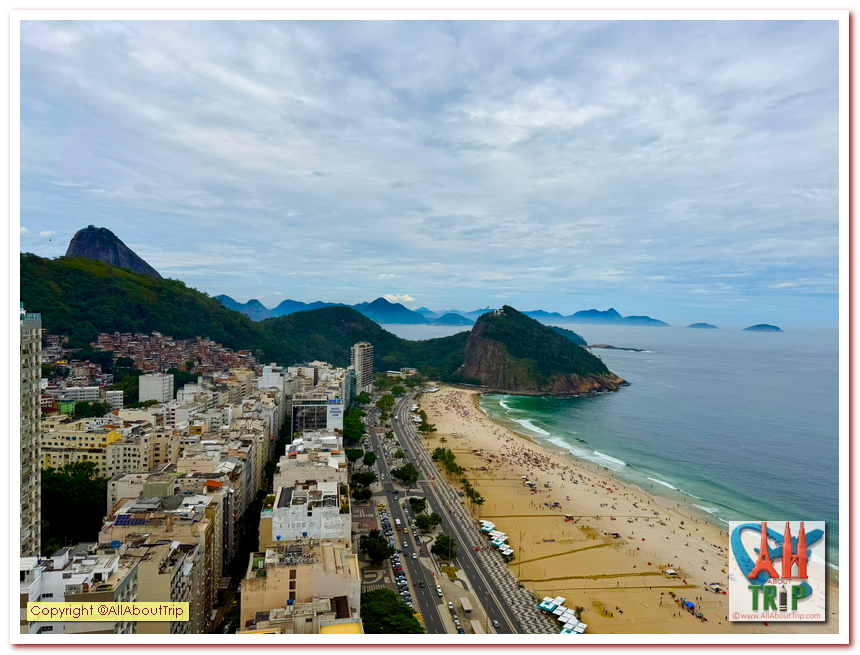
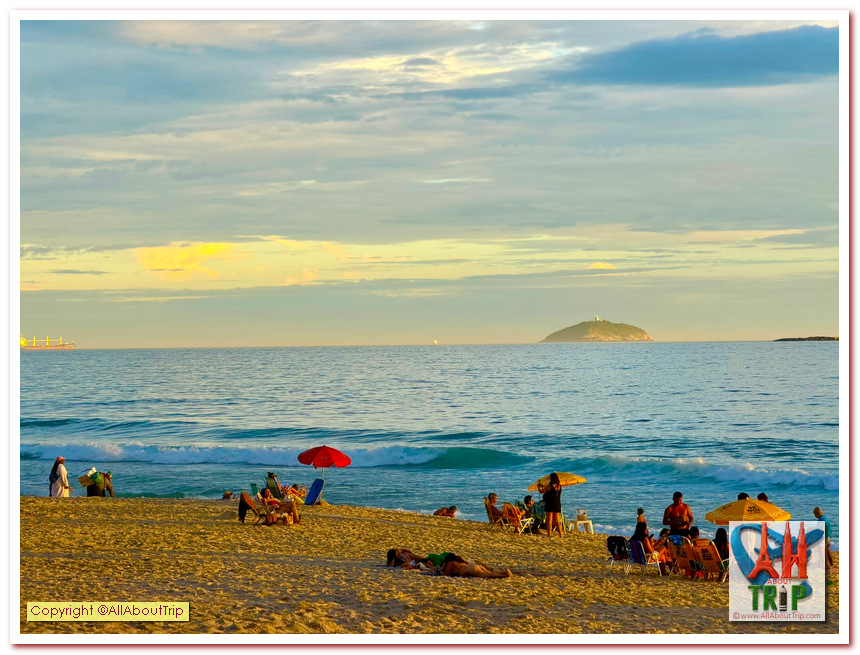
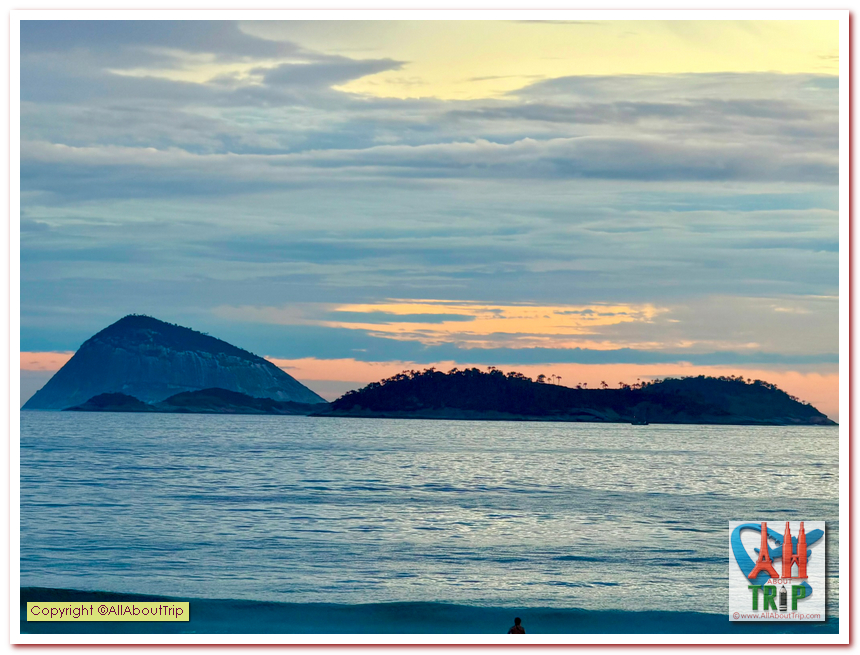
Ipanema has that effortlessly stylish vibe, the kind where even the sunset looks like it has a personal trainer. If you want a calmer scene, drift toward Leblon and pretend you are the type of person who always chooses the quieter, nicer option. You are now that person. Congratulations.
A quick real talk moment, delivered gently like coconut water you did not ask for but needed. Big city street smarts matter in Rio. Keep your phone a little less visible, keep your valuables a little less flashy, and use rideshare or official taxis at night. Not because you should be scared, but because you should be casually competent. Rio rewards confidence and common sense.
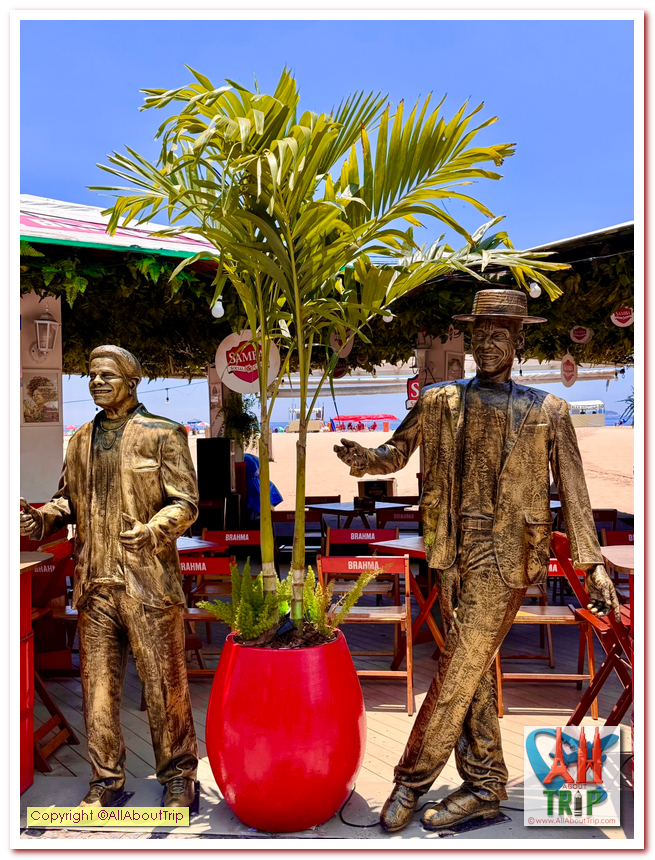
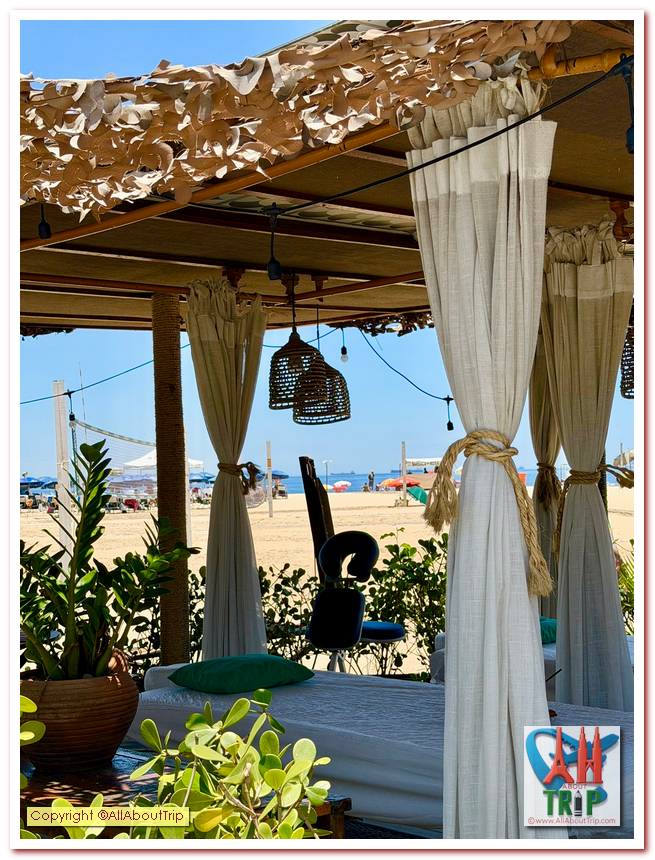
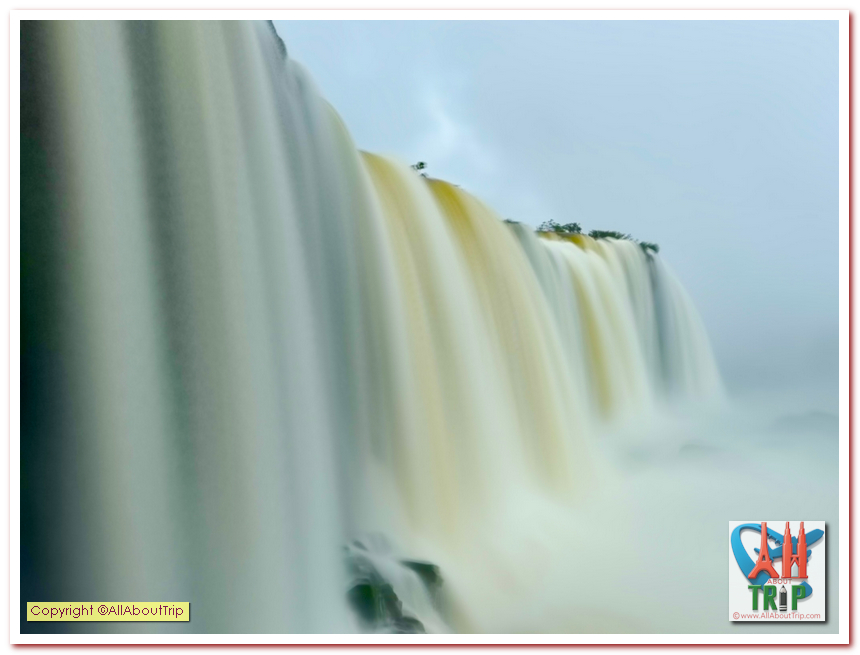
Now, when you think you have reached peak wow, you fly to Foz do Iguacu and Iguazu Falls shows up like, hello, you thought Rio was dramatic, that is adorable.
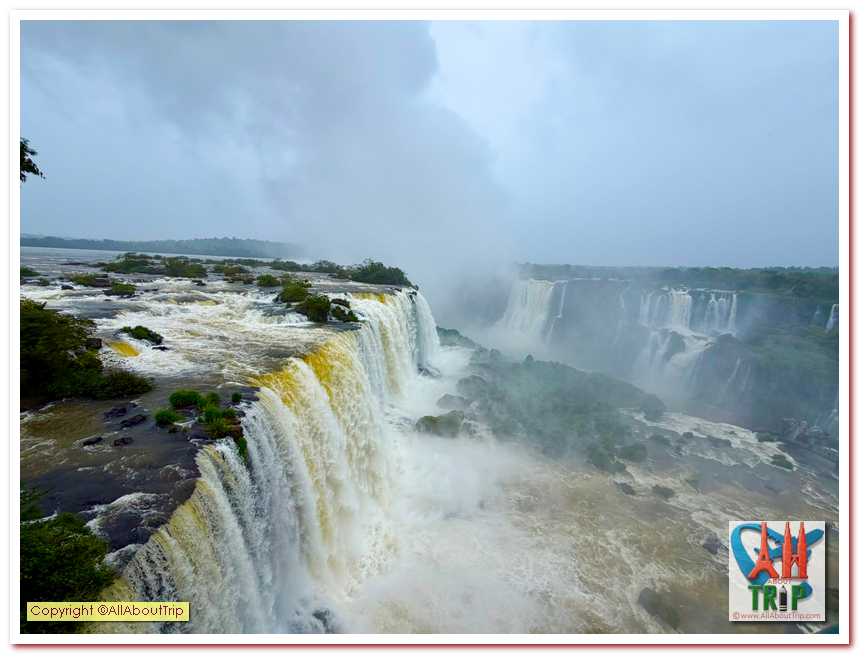


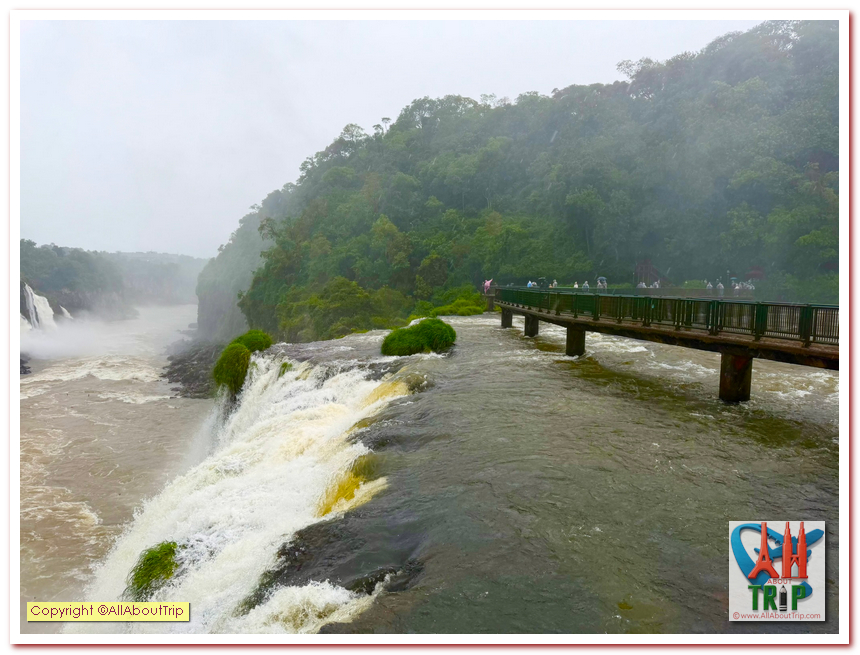
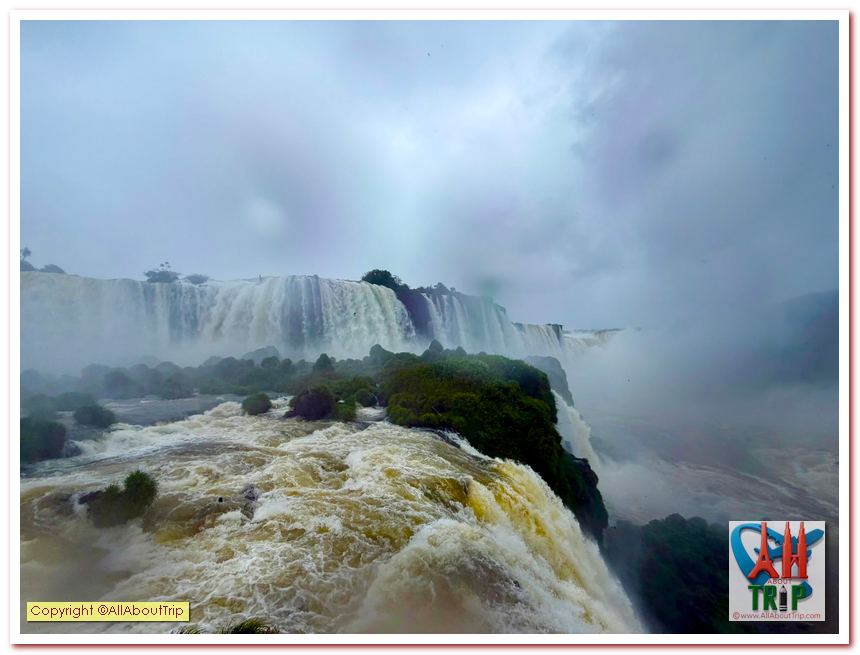
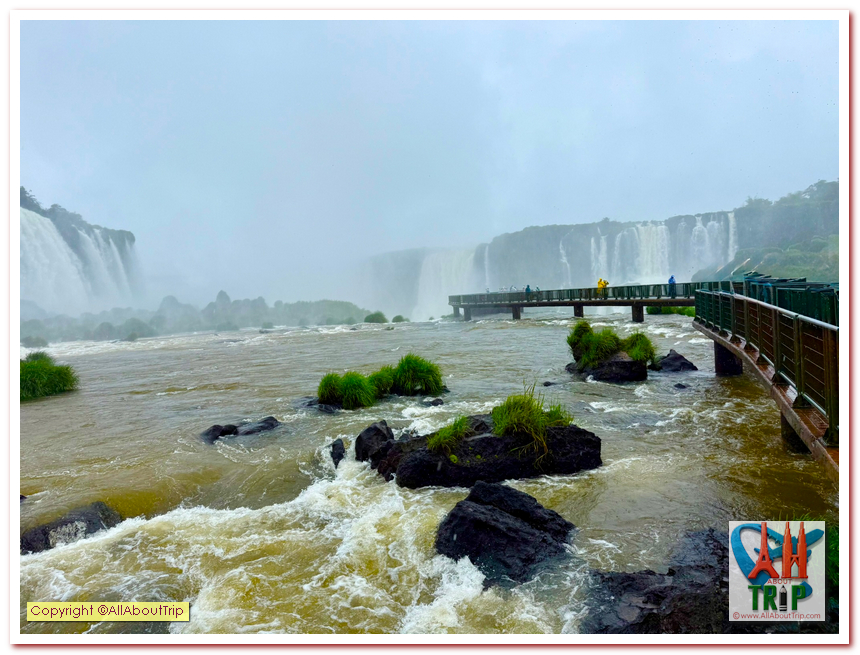
The Brazilian side of Iguazu is the panoramic masterpiece. This side gives you the wide angle shot where you see the whole scale, the curves, the endless water, the mist rising like the earth is exhaling. The walkways are designed to build suspense. You start with gorgeous views, then bigger views, then suddenly you are close enough that the water is basically greeting you personally. You will get misted. It is not optional. Iguazu does not care about your hair plans.
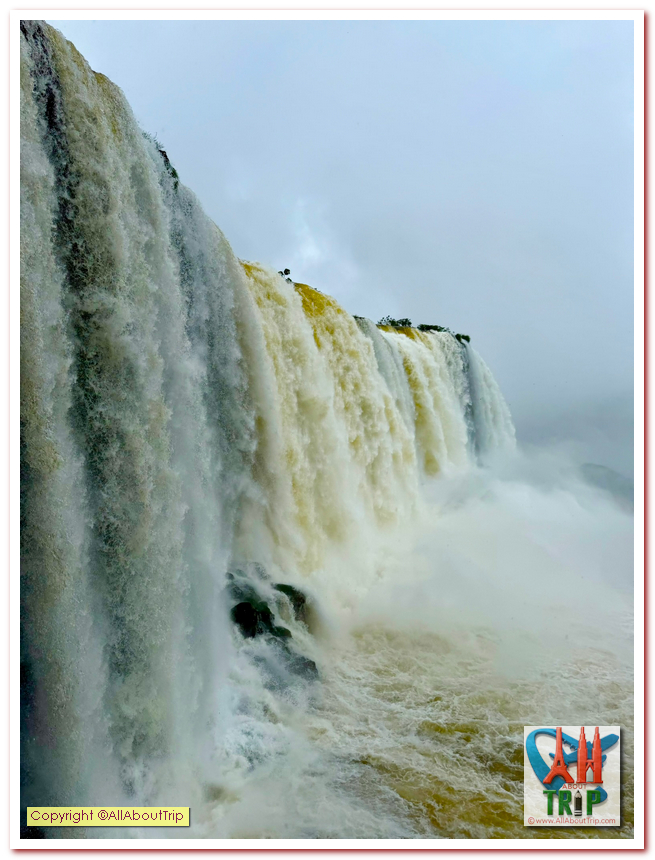
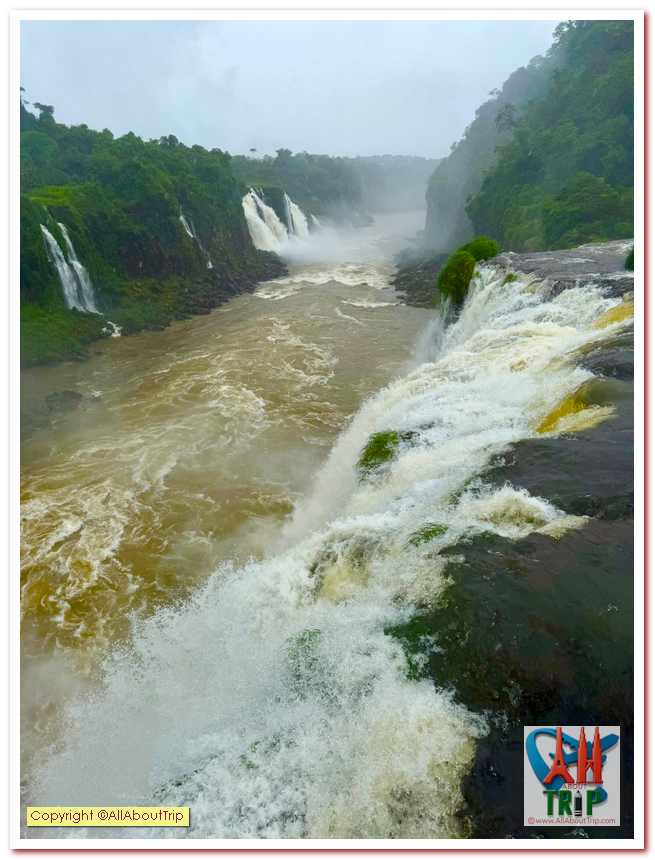
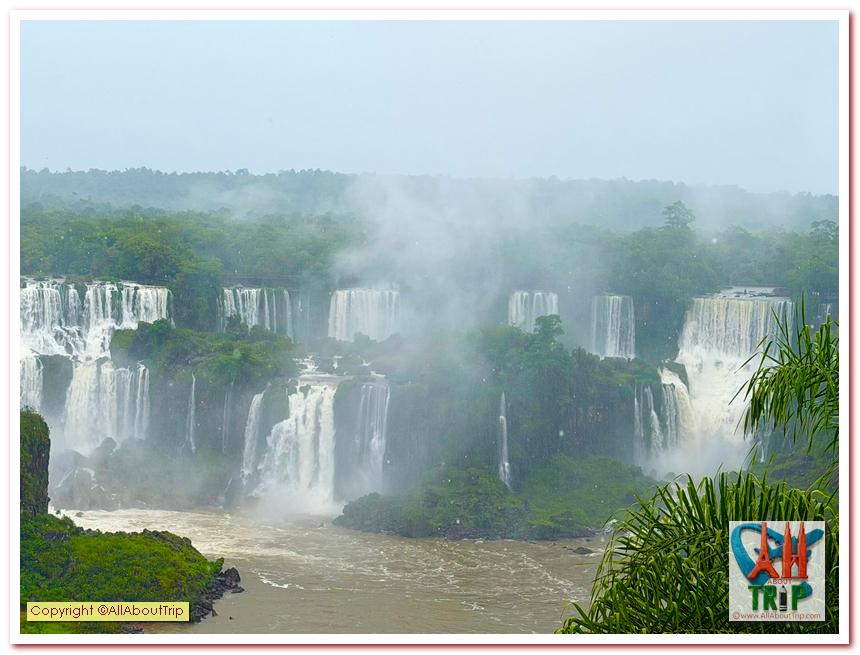
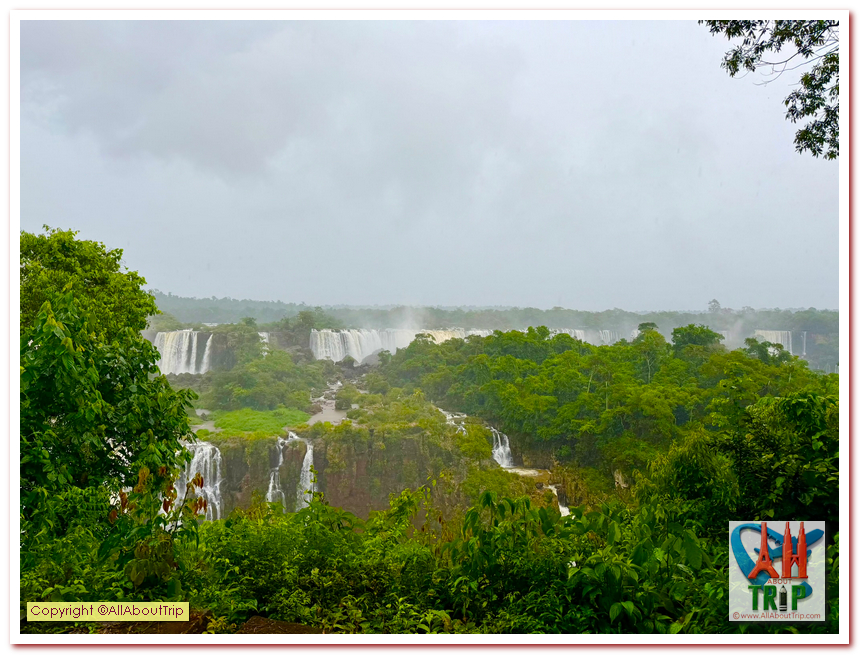
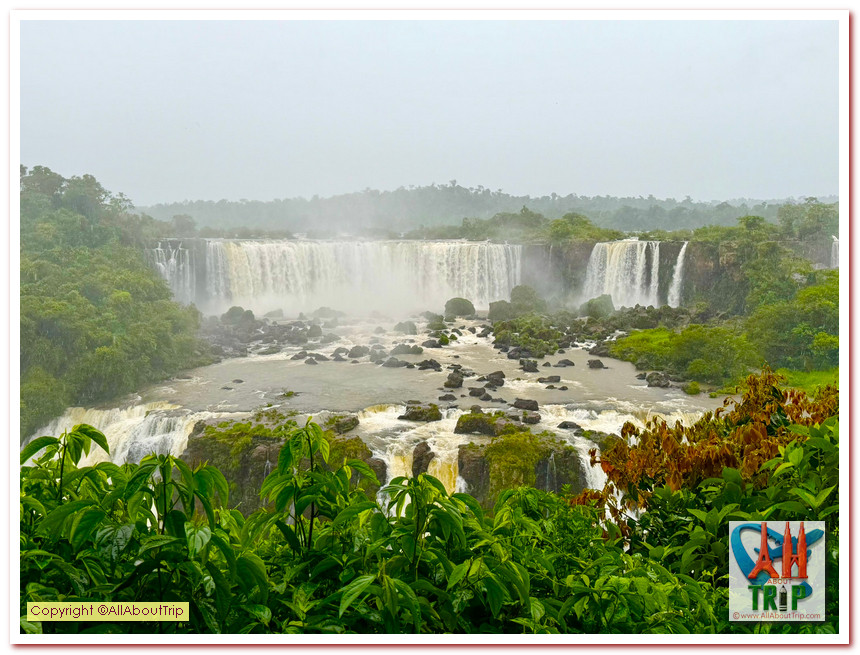
Here is the fun twist that surprises a lot of people. Even though Brazil has the smaller share of the falls, Brazil often wins for the most jaw dropping panoramic view. You are standing a bit farther back, looking across the whole horseshoe of water, which means your eyes and your camera finally agree on something. This is why you will hear people say the Brazilian side is the best for the big picture, postcard style view. It is fast, it is powerful, and it delivers maximum wow per minute.
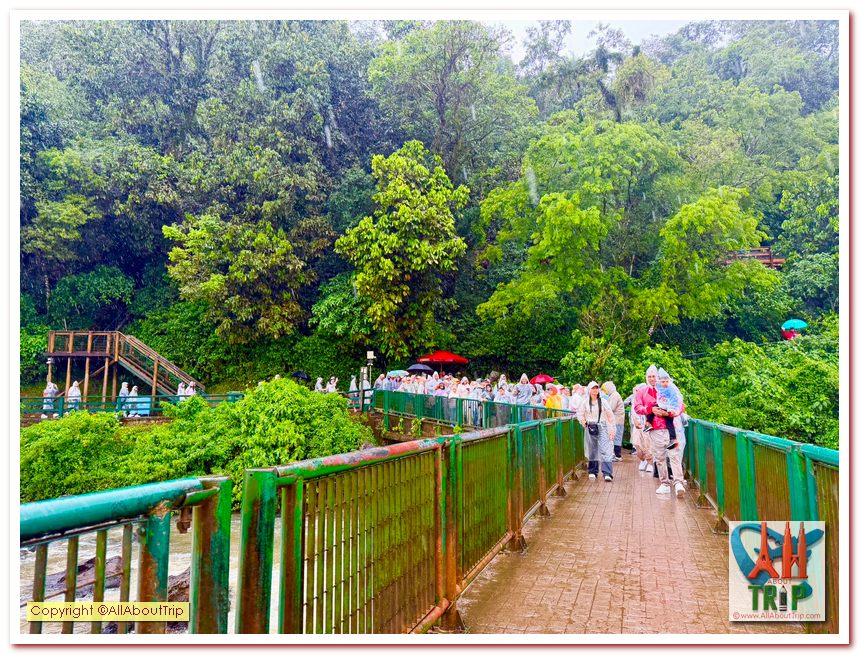
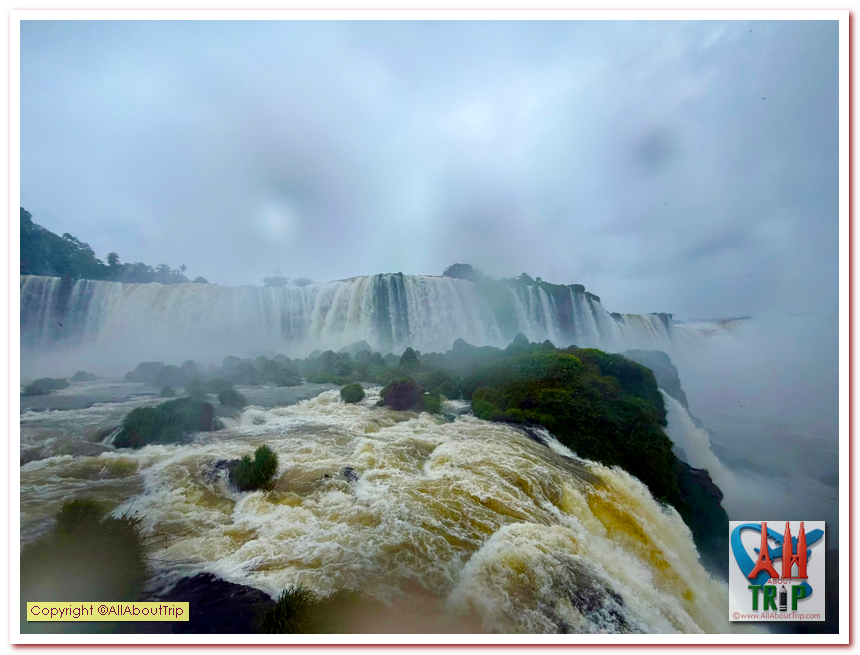
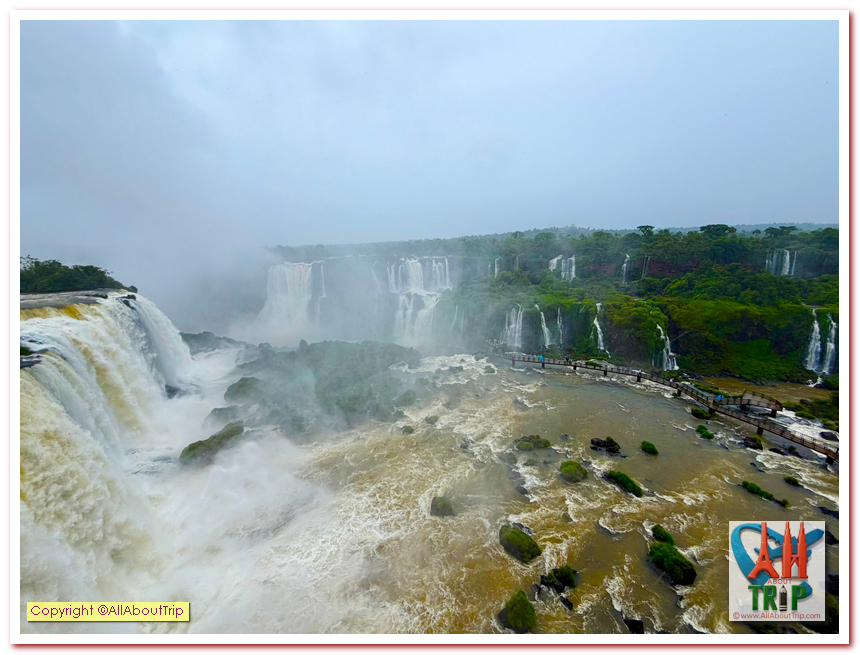
And then you reach the main viewpoint where the roar gets louder and the spray turns the air into a living thing. This is the moment where everyone goes quiet for a second because your senses are too busy doing paperwork. Sight. Sound. Vibration. Awe. It is like standing next to the planet while it shows off.
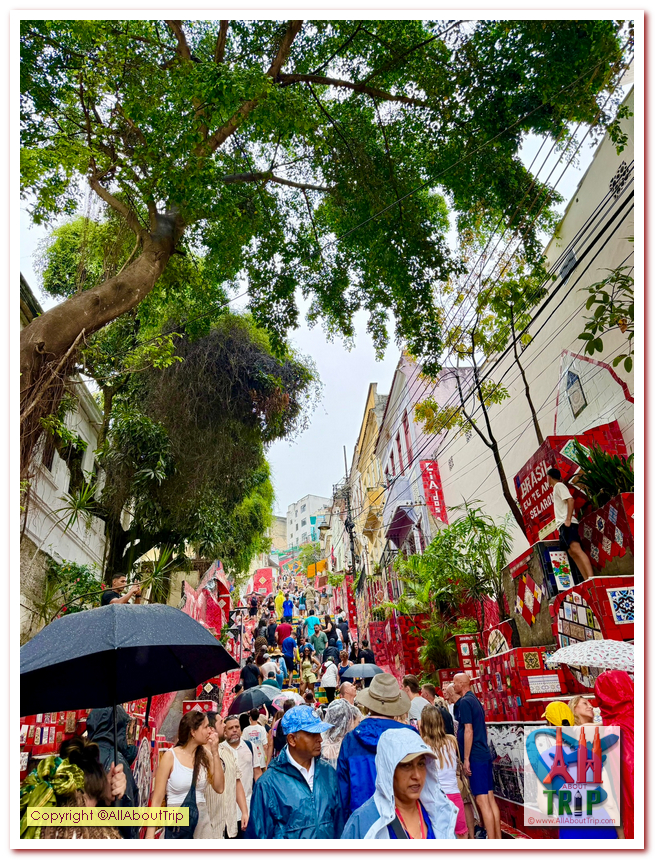
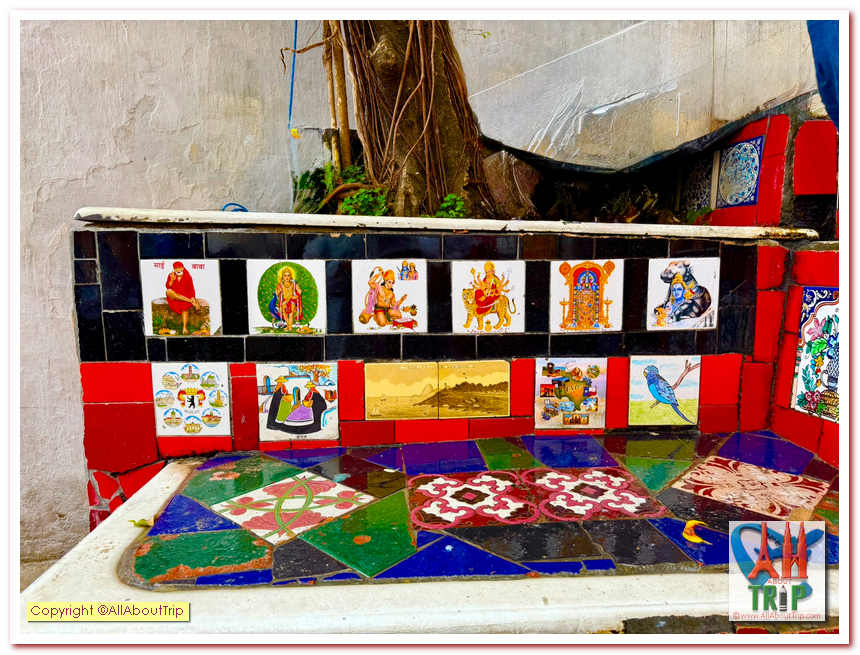
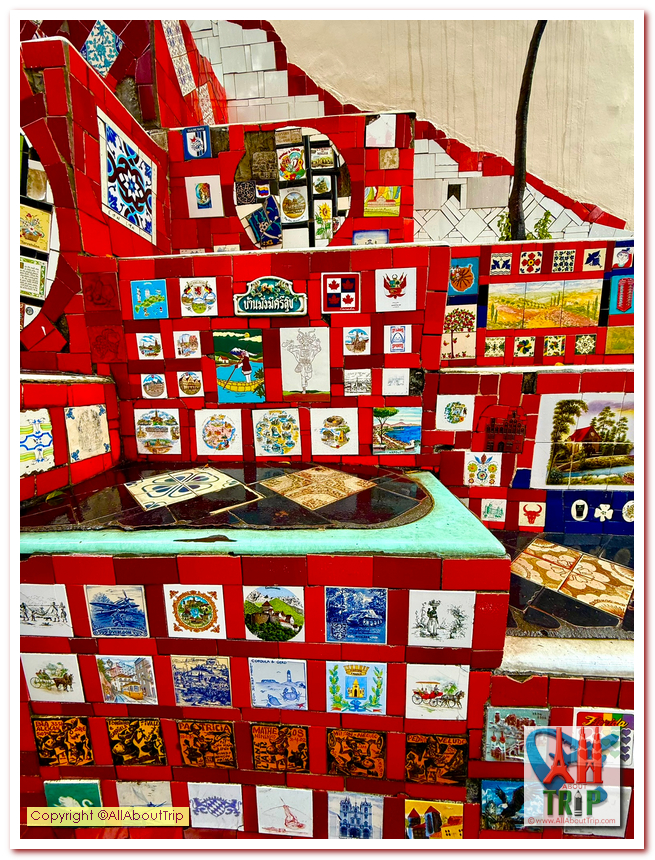
The Selarón Steps, officially the Escadaria Selarón, are a colorful staircase in Rio de Janeiro that links the neighborhoods of Lapa and Santa Teresa. Covered in bright tiles collected from around the world, it was the lifelong art project of Chilean born artist Jorge Selarón, and today it is one of Rio’s most photographed quick stops for a few bold pics and a fun climb.



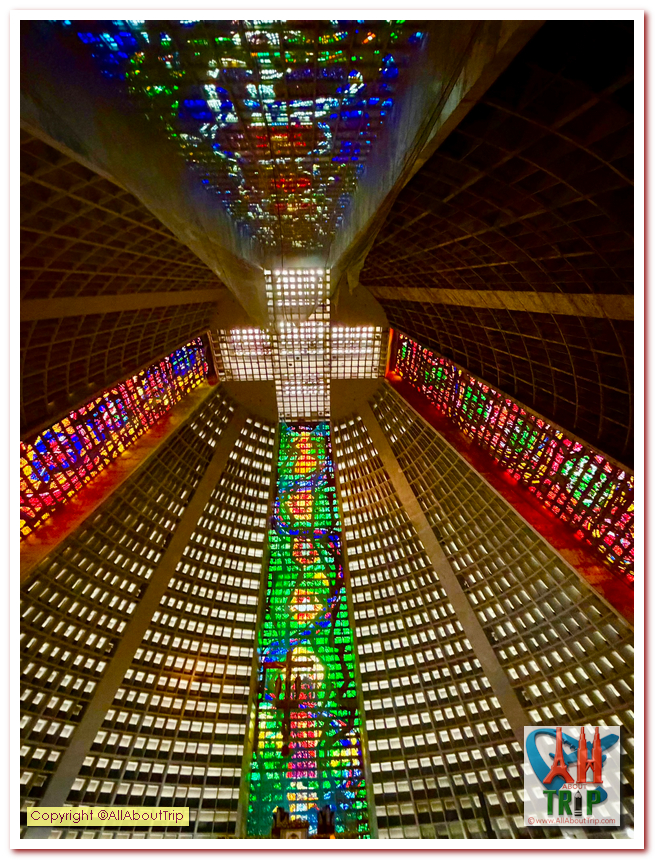
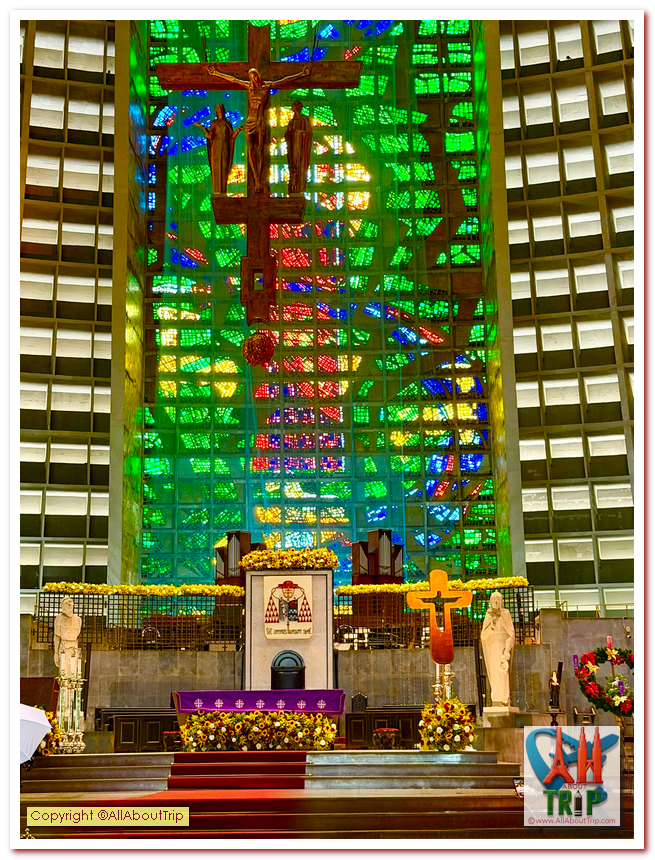
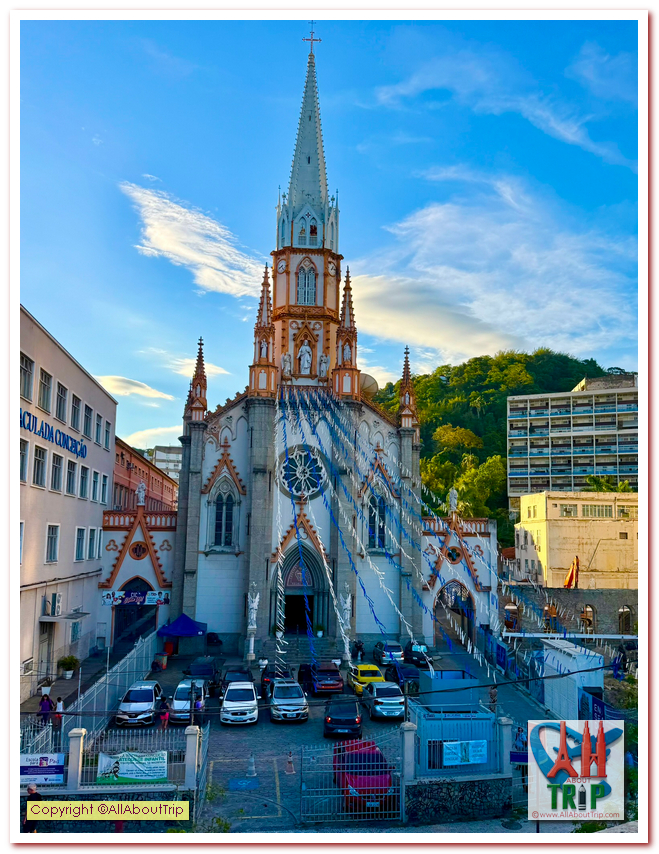
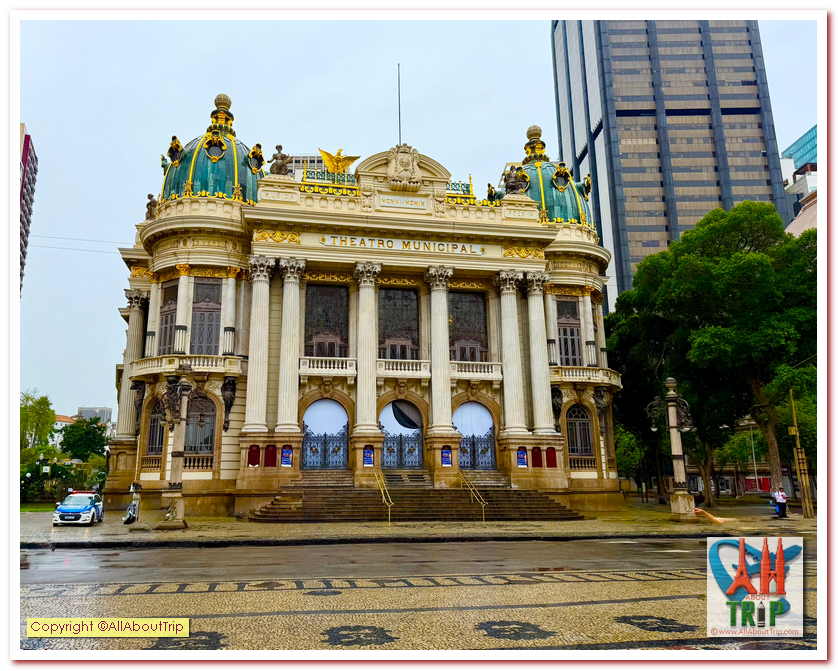
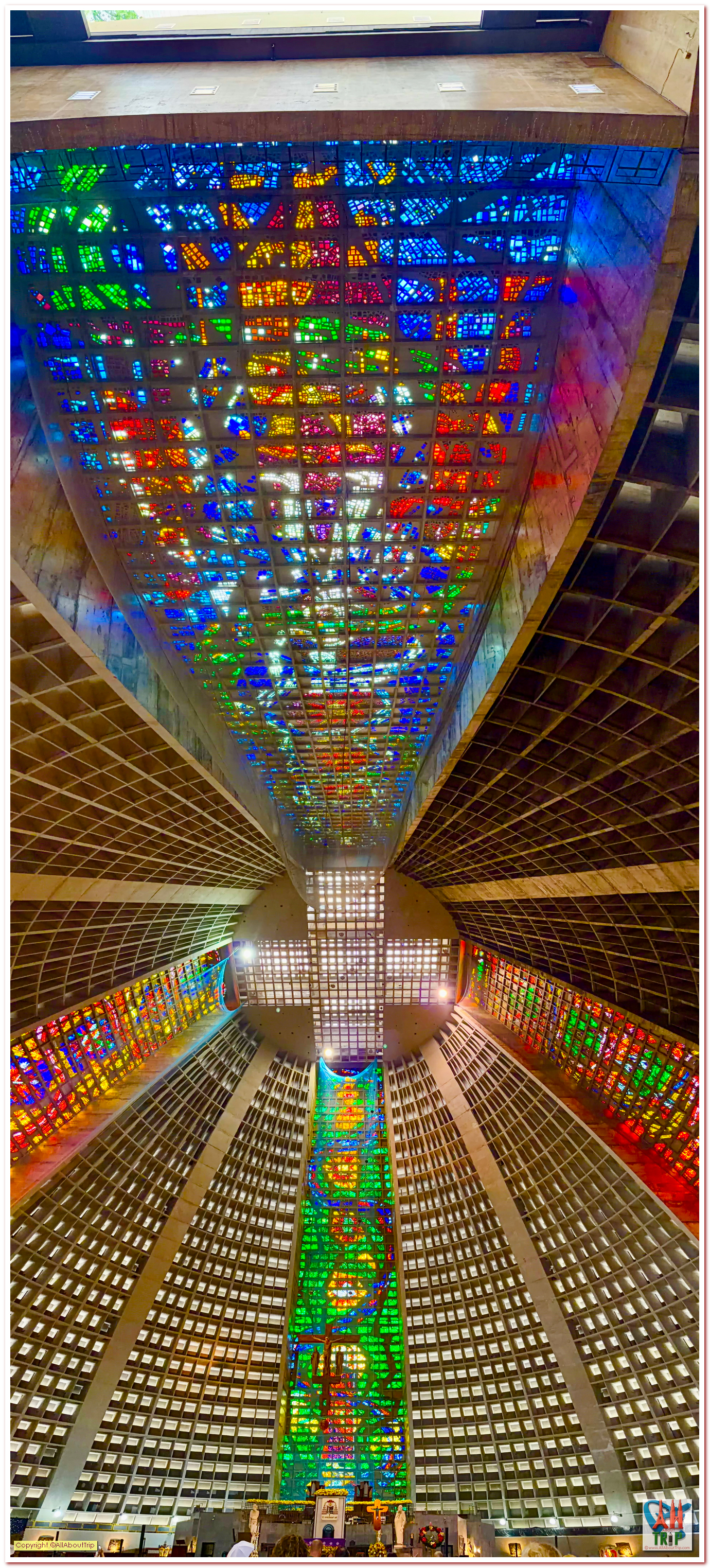
Rio’s Metropolitan Cathedral, officially the Cathedral of Saint Sebastian, looks like a spaceship decided to land in downtown Rio and call itself a church. From the outside it is a massive cone of concrete, but inside it opens into a soaring space where towering stained glass stretches upward and pours color over everything, the kind of place where even non church people pause, look up, and go quiet for a second.
Now for the part that makes this trip feel like it flows instead of sprints. Give Rio at least three full days if you want the city to unfold properly, not just be checked off like a grocery list. Iguazu on the Brazilian side can be done in half a day to a full day depending on how long you linger, how many photos you take, and how many times you stop just to stare and whisper, no way. If you have extra time, add another day in the area to slow down, enjoy the surroundings, and consider adding the Argentina side if you love being right on top of the falls for longer trails.
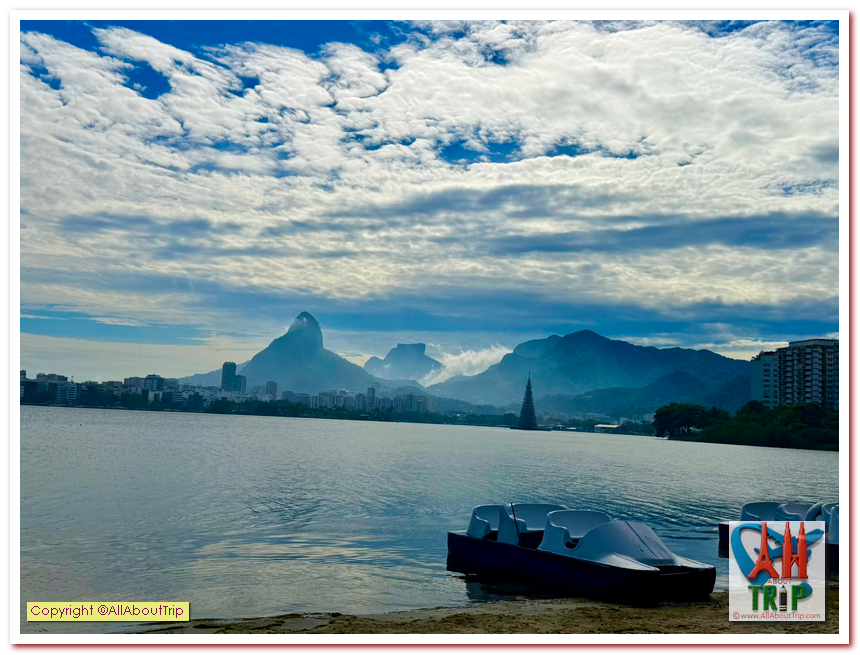
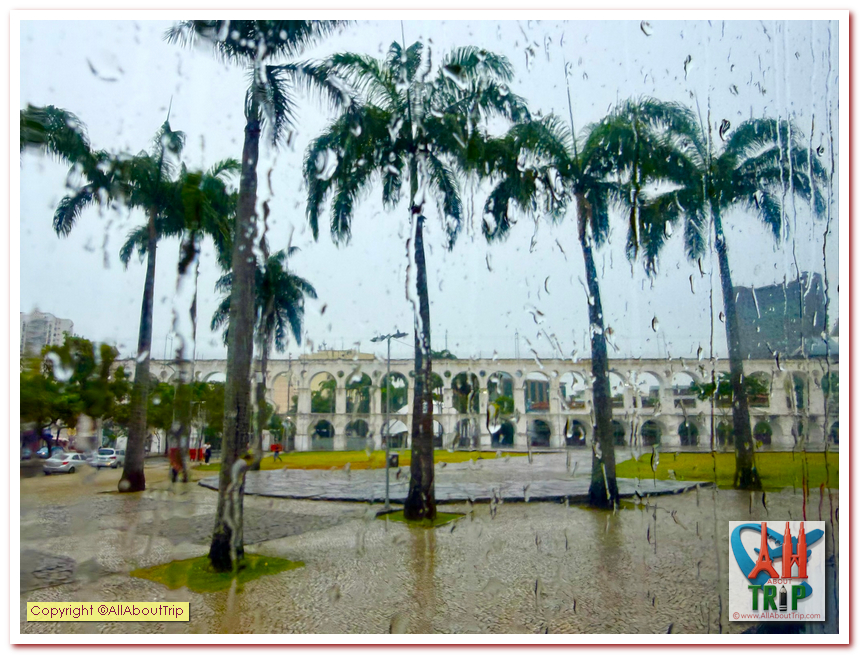
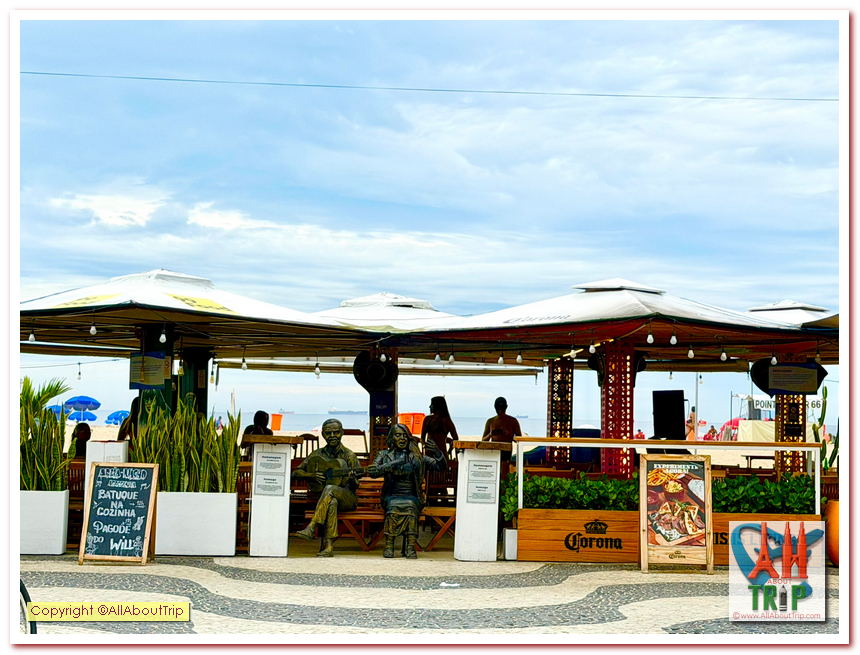

Brazil is the kind of trip that makes you come home with a stronger camera roll, a stronger craving for food, nature & Samba, and a suspiciously improved ability to say obrigado like you mean it.
Brazil’s Amazon is a whole different universe from Rio and Iguazu, basically nature showing off at maximum volume. Think jungle rivers, boat rides from Manaus, wildlife sightings, and that famous “meeting of the waters” where two rivers run side by side like they are politely refusing to mix. It is amazing and about 60% of Amazon is in Brazil, but it is definitely another trip altogether.
The Backstory
Brazil stands as one of the world’s premier megadiverse nations, offering an unparalleled intersection of dramatic topography, dense ecosystems, and rich cultural heritage. From the granite peaks and coastal rainforests flanking Rio de Janeiro—celebrated as a UNESCO World Heritage cultural landscape—to the roaring expanse of Iguazu National Park, the country protects some of the planet's most vital natural monuments.
Iguazu Falls alone comprises an intricate system of nearly 275 individual cascades dropping over a massive basaltic fissure, surrounded by a subtropical rainforest home to rare avian and mammalian species. Further north, the vast Amazon basin represents the Earth's largest biological reservoir. This unique geographical tapestry creates a dynamic environment where urban architectural heritage seamlessly transitions into pristine wilderness. Capturing these landscapes requires navigating highly specialized microclimates, where shifting cloud covers, intense humidity, and dense canopy cover challenge visual documentarians looking to preserve authentic global marvels.
Logistics & Best Time to Visit
Planning a journey across Brazil's core highlights requires careful seasonal alignment. According to meteorological data and official guidelines from Embratur, the optimal window to visit Rio de Janeiro and the southern regions runs from May to September, offering lower humidity and milder temperatures ideal for outdoor tracking. For Iguazu Falls, the transition months of spring (September to November) or autumn (March to May) balance optimal water volume with clearer skies.
Transit & Routes: International travelers typically arrive via Rio de Janeiro-Galeão International Airport (GIG) or São Paulo-Guarulhos International Airport (GRU), utilizing frequent domestic connections to Foz do Iguaçu International Airport (IGU) to access the falls.
Park Logistics: Access to the falls is strictly managed via the Iguazu National Park Visitor Center. Private vehicles and rental cars must park at the secure, paid official on-site lot located at the main gateway. From there, visitors board the park’s mandatory, eco-friendly panoramic transit buses to reach the primary trailheads and catwalks overlooking the Devil’s Throat.
The Craft Behind the Imagery
Documenting these massive vistas demands meticulous physical precision and deliberate technical execution rather than automated shortcuts. Achieving sharp, high-fidelity compositions in unpredictable environments requires steady hands and creative, out-of-the-box structural framing to isolate unique perspectives.
Whether utilizing high-end, current-generation smartphones with enhanced sensor arrays or traditional professional DSLR and mirrorless camera systems, high-quality stabilization is non-negotiable. Photographers should employ premium carbon fiber tripods, which offer lightweight transport properties without sacrificing structural rigidity. When shooting near high-velocity water columns like Iguazu or exposed coastal lookouts prone to high winds, it is essential to hang a stabilizing counterweight from the tripod's center column to prevent micro-vibrations from degrading edge-to-edge sharpness.
Editorial Integrity & Digital Authenticity
Every image presented on this platform represents extensive manual labor, complex field charting, and precise spatial mapping. True landscape documentation relies on a human-driven complex algorithm of patience, environmental tracking, and geographical calculation that modern automated software simply cannot replicate.
We firmly reject the use of generative AI technologies in our photographic workflows. Artificially generating or modifying details completely ruins the empirical reality of the image, introducing structural fabrications that render the documentation useless for authentic travel planning. Furthermore, generative AI tools rely heavily on scraped datasets from over-saturated online sources, frequently perpetuating visual biases, flattening unique regional characteristics, and introducing serious structural errors or inaccuracies that distort the true nature of these global landmarks.
Tip Rio: Do Christ the Redeemer early, your dream photo still includes 300 strangers and 40 selfie sticks.
Tip Rio: Catch sunset at Sugarloaf or Arpoador, because Rio basically turns cinematic every evening on purpose.
Tip Rio: Selarón Steps and the Metropolitan Cathedral are quick hits, one is a tile party, the other looks like a concrete spaceship with rainbow windows inside.
Tip Iguazu: Brazilian side for the big sweeping views, Argentine side for the close-up trails, do both if you can because they feel like two different movies.
Tip Iguazu: Bring a poncho or accept your new identity as a damp person, especially at Devil’s Throat and on the boat ride.
Tip Sturdy Boots: The terrain is basically a giant rock garden.